



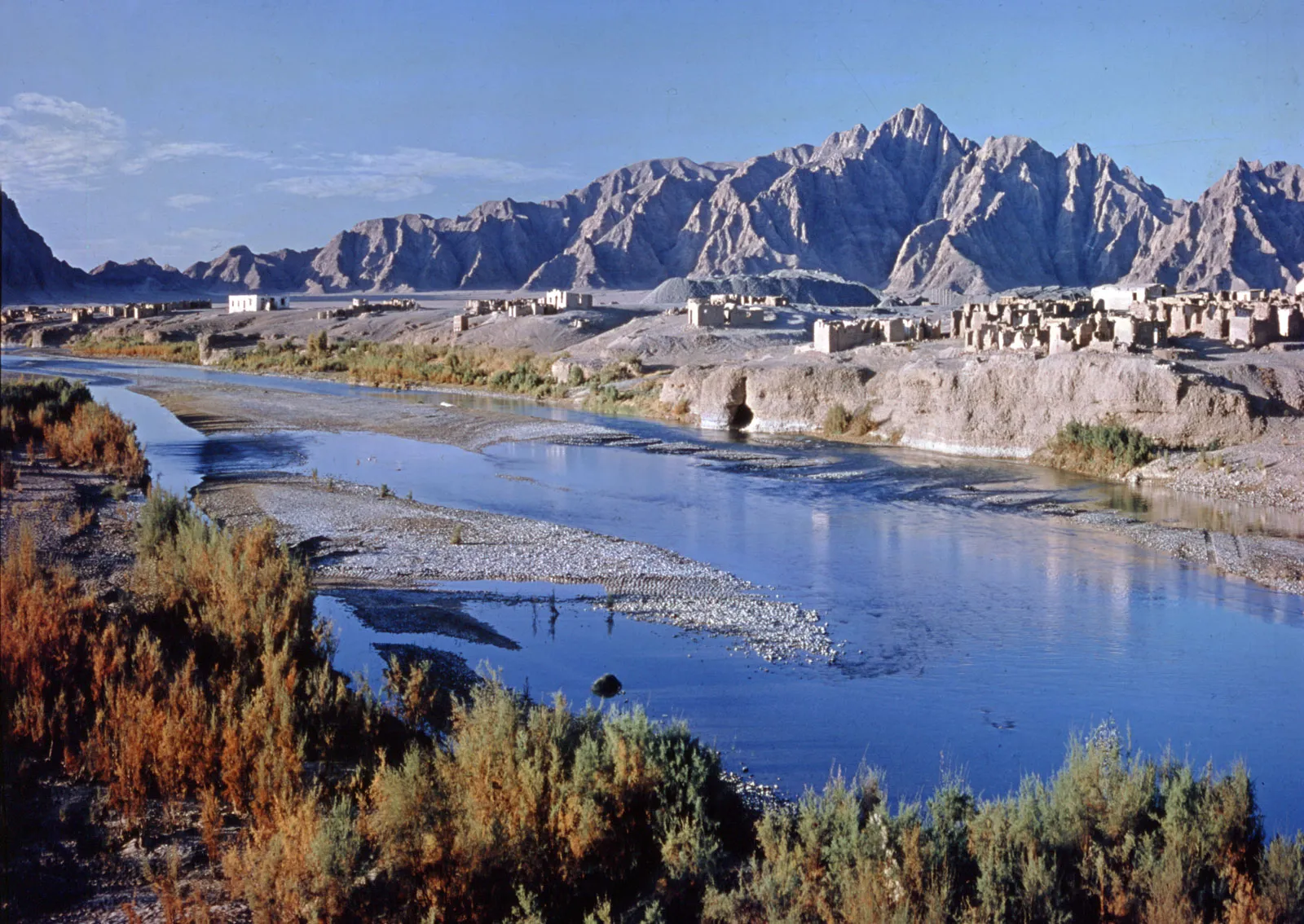







Farah, located in western Afghanistan, is a city with a rich history and significant cultural heritage. As the capital of Farah Province, the city has been an important center of trade and commerce for centuries, situated along the historic Silk Road that connected the East and West. Despite the challenges it faces, Farah offers visitors a unique glimpse into Afghanistan's diverse past and resilient present.
One of Farah's most notable historical sites is the Citadel of Farah, also known as the Qala-e-Farakh. This ancient fortress dates back to the Sassanian era and has seen numerous renovations and reconstructions over the centuries. The citadel's strategic location on a hill provides commanding views of the surrounding area and offers a fascinating insight into the region's military history. Exploring the fortress, with its thick walls and watchtowers, allows visitors to step back in time and appreciate the architectural ingenuity of the past.
Farah is also home to several ancient ruins that reflect its long history as a crossroads of civilizations. The remains of old caravanserais and trade routes underscore the city's historical importance in facilitating trade and cultural exchange between different regions. These archaeological sites provide valuable insights into the city's role in regional trade networks and its historical connections with other parts of the world.
The city's bazaars are a vibrant reflection of Farah's cultural and commercial life. The main bazaar, with its labyrinthine alleys and bustling stalls, offers a wide array of goods, from traditional Afghan textiles and carpets to spices, jewelry, and handcrafted items. The market is an excellent place to experience the local culture, interact with friendly merchants, and purchase unique souvenirs.
Farah's cultural heritage is also evident in its traditional crafts and artisanal products. The city is known for its skilled craftsmen who produce beautiful pottery, embroidery, and metalwork. These traditional crafts have been passed down through generations and are an integral part of Farah's cultural identity. Visitors can often see artisans at work in the bazaars or visit workshops where these crafts are made.
For those interested in the natural beauty of the region, the Farah River provides a scenic backdrop to the city. The river, which flows through the province, supports the local agriculture and adds to the lushness of the surrounding landscape. The fertile plains along the river are known for producing a variety of crops, including wheat, barley, and melons, which are staples of the local diet.
Despite the hardships and conflicts that have affected Farah, the city remains a place of resilience and cultural vitality. The people of Farah are known for their hospitality and strong community bonds, welcoming visitors with warmth and generosity.
In summary, Farah offers a rich and rewarding experience for travelers interested in exploring Afghanistan's western regions. With its historical landmarks, vibrant bazaars, traditional crafts, and natural beauty, Farah provides a compelling destination that reflects the enduring spirit and cultural diversity of Afghanistan. Whether delving into the city's ancient history, enjoying its scenic landscapes, or engaging with the local culture, visitors to Farah will find a city that is both historically significant and culturally enriching.
Just follow us on social media, where stories unfold,
Stay with us for moments worth their weight in gold.


SCAN ME
