










Herat, located in western Afghanistan, is a city renowned for its rich history, architectural splendor, and vibrant cultural scene. As one of the country's most ancient cities, Herat has been a significant center of trade, art, and scholarship for centuries, offering visitors a wealth of attractions to explore.
One of Herat's most iconic landmarks is the Herat Citadel, also known as the Citadel of Alexander. This imposing fortress, originally built by Alexander the Great in the 4th century BCE, has been meticulously restored and now serves as a museum. Visitors can explore its impressive towers, walls, and courtyards while enjoying panoramic views of the city and surrounding landscapes.
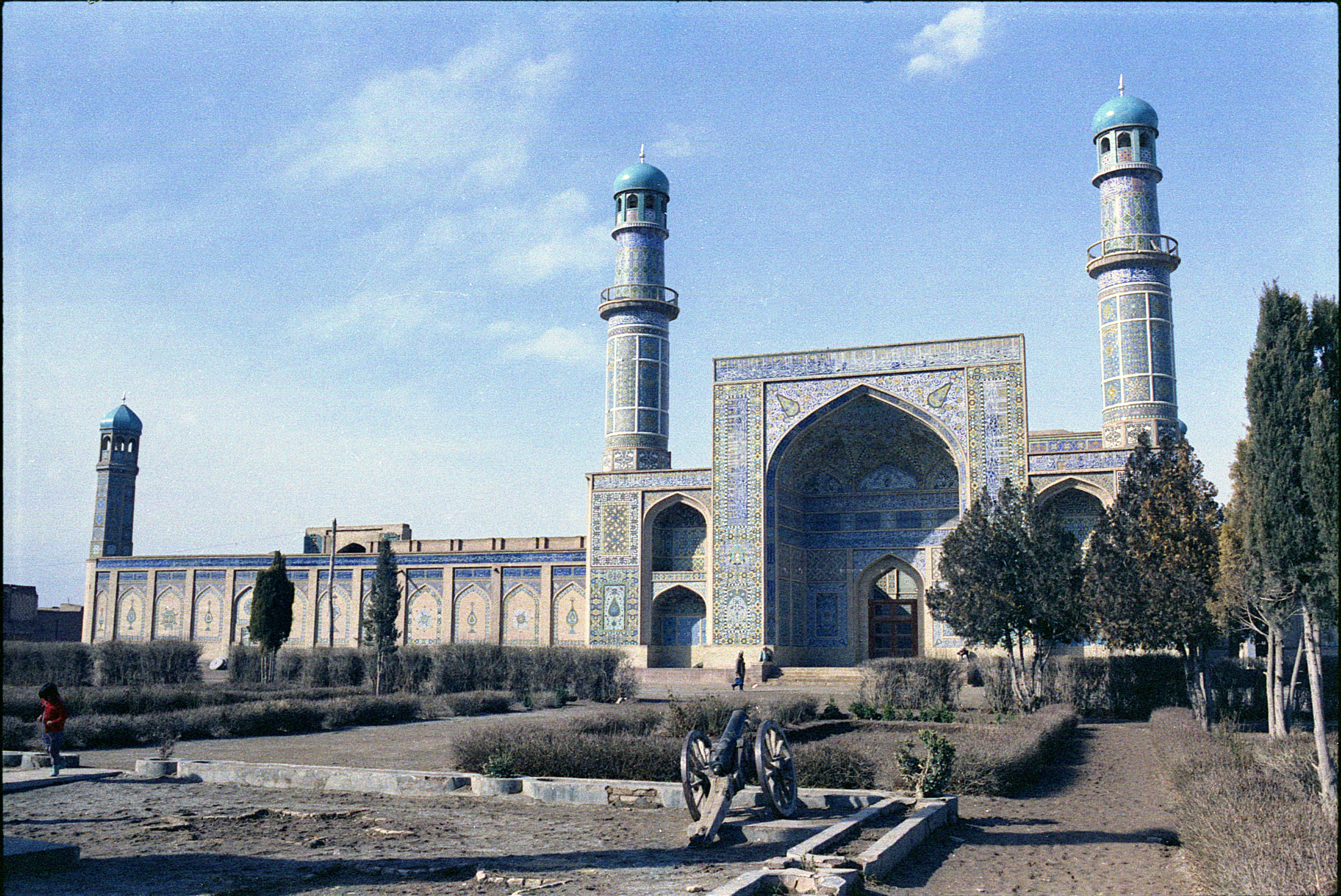
Another architectural marvel in Herat is the Friday Mosque, or Masjid Jami, one of the largest and most exquisite mosques in Afghanistan. Dating back to the 15th century, this mosque features stunning tile work, intricate calligraphy, and beautifully designed courtyards. The mosque remains an active place of worship and a symbol of Herat's artistic and cultural heritage.
Herat is also home to the Tomb of Gawhar Shad, a mausoleum dedicated to the wife of the Timurid ruler Shah Rukh. Gawhar Shad was a significant patron of the arts, and her tomb, adorned with intricate tile work and geometric patterns, reflects the high level of craftsmanship of the Timurid era.
For those interested in the city's artistic heritage, the Herat Museum, located within the Herat Citadel, offers a fascinating collection of artifacts, including ancient pottery, coins, manuscripts, and textiles that showcase the region's diverse cultural influences.
The city's rich literary and scholarly traditions are evident in the Herat National Library, which houses a vast collection of manuscripts, books, and historical documents. The library is a treasure trove for researchers and anyone interested in the intellectual history of Herat and Afghanistan.
Herat's bustling bazaars are a vibrant reflection of the city's commercial heritage. The Old Bazaar, with its maze of narrow alleys and bustling stalls, offers an array of goods, including traditional Afghan carpets, jewelry, spices, and handicrafts. Exploring the bazaar provides an authentic glimpse into the daily life and commerce of Herat's residents.
Herat is also known for its lush greenery and beautiful gardens. The Jihad Museum, also known as the Herat Museum of Jihad, features beautifully landscaped gardens that commemorate the Afghan resistance during the Soviet-Afghan War. Visitors can stroll through the gardens and learn about this crucial period in Afghanistan's history through the museum's exhibits.
Despite the challenges faced by the region, Herat remains a city of resilience and cultural richness. Its historical landmarks, vibrant markets, and artistic heritage offer a unique and enriching experience for travelers. Whether exploring ancient fortresses, admiring exquisite Islamic architecture, or immersing oneself in the local culture, Herat provides a captivating journey into the heart of Afghanistan's history and heritage.
Herat, located in western Afghanistan, is a city renowned for its rich history, architectural splendor, and vibrant cultural scene. As one of the country's most ancient cities, Herat has been a significant center of trade, art, and scholarship for centuries, offering visitors a wealth of attractions to explore.
One of Herat's most iconic landmarks is the Herat Citadel, also known as the Citadel of Alexander. This imposing fortress, originally built by Alexander the Great in the 4th century BCE, has been meticulously restored and now serves as a museum. Visitors can explore its impressive towers, walls, and courtyards while enjoying panoramic views of the city and surrounding landscapes.
Another architectural marvel in Herat is the Friday Mosque, or Masjid Jami, one of the largest and most exquisite mosques in Afghanistan. Dating back to the 15th century, this mosque features stunning tile work, intricate calligraphy, and beautifully designed courtyards. The mosque remains an active place of worship and a symbol of Herat's artistic and cultural heritage.
Herat is also home to the Tomb of Gawhar Shad, a mausoleum dedicated to the wife of the Timurid ruler Shah Rukh. Gawhar Shad was a significant patron of the arts, and her tomb, adorned with intricate tile work and geometric patterns, reflects the high level of craftsmanship of the Timurid era.
For those interested in the city's artistic heritage, the Herat Museum, located within the Herat Citadel, offers a fascinating collection of artifacts, including ancient pottery, coins, manuscripts, and textiles that showcase the region's diverse cultural influences.
The city's rich literary and scholarly traditions are evident in the Herat National Library, which houses a vast collection of manuscripts, books, and historical documents. The library is a treasure trove for researchers and anyone interested in the intellectual history of Herat and Afghanistan.
Herat's bustling bazaars are a vibrant reflection of the city's commercial heritage. The Old Bazaar, with its maze of narrow alleys and bustling stalls, offers an array of goods, including traditional Afghan carpets, jewelry, spices, and handicrafts. Exploring the bazaar provides an authentic glimpse into the daily life and commerce of Herat's residents.
Herat is also known for its lush greenery and beautiful gardens. The Jihad Museum, also known as the Herat Museum of Jihad, features beautifully landscaped gardens that commemorate the Afghan resistance during the Soviet-Afghan War. Visitors can stroll through the gardens and learn about this crucial period in Afghanistan's history through the museum's exhibits.
Despite the challenges faced by the region, Herat remains a city of resilience and cultural richness. Its historical landmarks, vibrant markets, and artistic heritage offer a unique and enriching experience for travelers. Whether exploring ancient fortresses, admiring exquisite Islamic architecture, or immersing oneself in the local culture, Herat provides a captivating journey into the heart of Afghanistan's history and heritage.
Just follow us on social media, where stories unfold,
Stay with us for moments worth their weight in gold.


SCAN ME
