



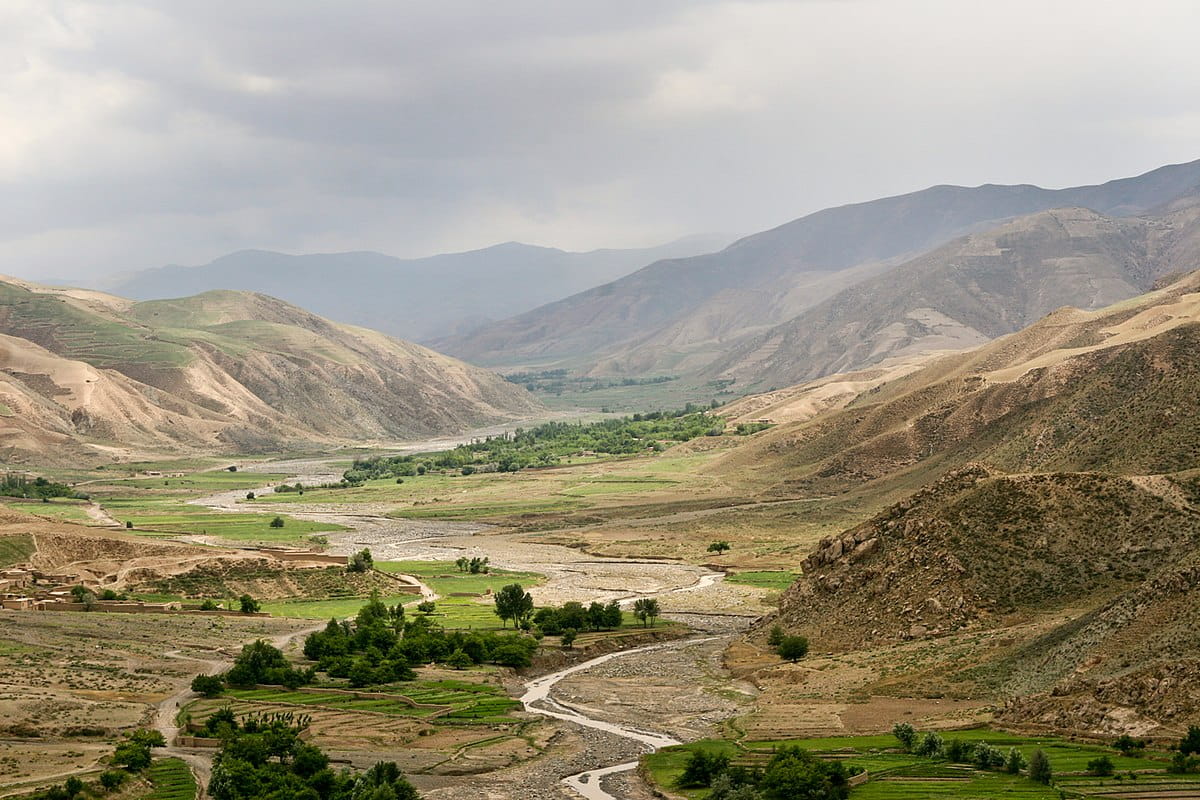







Kunduz, located in northern Afghanistan, is a city with a rich history, strategic importance, and a unique cultural landscape. As a vital crossroads of trade and cultural exchange for centuries, Kunduz offers visitors a fascinating glimpse into Afghanistan's diverse heritage and resilient spirit.
One of the prominent historical sites in Kunduz is the Bala Hisar, an ancient fortress that has played a crucial role in the region's military history. The fortress, though partially in ruins, stands as a testament to the city's strategic significance and provides panoramic views of the surrounding area. Exploring the Bala Hisar offers visitors a sense of the city's historical depth and its role in various conflicts over the centuries.
The city's bustling bazaars are a reflection of Kunduz's vibrant commercial activity and cultural diversity. The main bazaar, filled with stalls selling everything from traditional Afghan textiles and handicrafts to fresh produce and spices, is a lively place where visitors can experience the local way of life. The market is also an excellent spot to find locally made pottery and jewelry, which are popular among tourists.
Kunduz is also known for its lush agricultural landscape, thanks to the fertile plains irrigated by the Kunduz River. The region is renowned for its production of melons, grapes, and other fruits, making it a hub of agricultural activity. Visitors can enjoy the scenic beauty of the countryside, which offers a peaceful retreat from the city's hustle and bustle.
The city has a significant cultural and educational heritage, with several institutions dedicated to preserving and promoting local traditions and knowledge. Kunduz University, a prominent educational institution in the region, contributes to the city's intellectual and cultural life, drawing students from across Afghanistan.
For those interested in Afghan history and archaeology, the nearby Ai-Khanoum archaeological site is a must-visit. Located at the confluence of the Amu Darya and Kokcha rivers, Ai-Khanoum was an ancient Greco-Bactrian city that dates back to the 4th century BCE. The site, though partially excavated, offers fascinating insights into the Hellenistic influence in the region, with remnants of classical Greek architecture, inscriptions, and artifacts.
Despite the challenges and conflicts that have impacted Kunduz in recent years, the city remains a place of resilience and cultural vitality. The people of Kunduz are known for their hospitality and strong community spirit, welcoming visitors with warmth and openness.
In summary, Kunduz offers a unique and enriching experience for travelers interested in exploring Afghanistan's northern regions. With its historical landmarks, vibrant bazaars, fertile landscapes, and rich cultural heritage, Kunduz provides a compelling destination that reflects the diverse tapestry of Afghan life. Whether delving into the city's ancient history, enjoying its natural beauty, or engaging with the local culture, visitors to Kunduz will find a city that is both captivating and resilient.
Just follow us on social media, where stories unfold,
Stay with us for moments worth their weight in gold.


SCAN ME
