



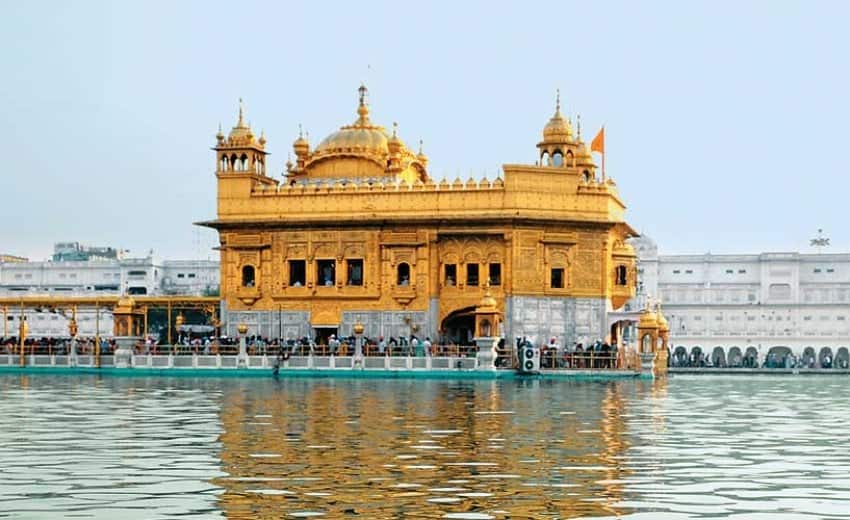







Amritsar, located in the northwestern state of Punjab, India, is a city renowned for its rich cultural heritage, historical significance, and spiritual aura. Known as the spiritual and cultural center of the Sikh religion, Amritsar offers visitors a profound and immersive experience.
The crown jewel of Amritsar is the Golden Temple, also known as Harmandir Sahib. This magnificent gurdwara is the holiest shrine in Sikhism, attracting millions of pilgrims and tourists from around the world. The temple's striking golden façade, which reflects beautifully in the surrounding Amrit Sarovar (pool of nectar), creates a breathtaking and serene atmosphere. Visitors are welcomed to participate in the langar, a community kitchen that serves free meals to all, embodying the Sikh principles of equality and service.
Adjacent to the Golden Temple is the Akal Takht, one of the five seats of power in Sikhism. It holds significant historical and religious importance, serving as a center for spiritual and temporal authority in the Sikh community. The complex also houses the Central Sikh Museum, which exhibits a rich collection of artifacts, manuscripts, and paintings that depict the history and culture of Sikhism.
Jallianwala Bagh, a short walk from the Golden Temple, is a poignant reminder of India's struggle for independence. This public garden commemorates the tragic massacre of 1919, where hundreds of unarmed Indians were killed by British troops. The site has been preserved as a national memorial, with a museum and a flame of eternal remembrance honoring the victims.
The Partition Museum, located in the historic Town Hall, offers a deep insight into the human impact of the 1947 Partition of India and Pakistan. Through personal stories, photographs, and artifacts, the museum provides a moving account of the mass migrations, violence, and resilience during this turbulent period in history.
Amritsar's old city, with its narrow, bustling lanes and vibrant bazaars, offers a captivating glimpse into the daily life and culture of Punjab. The colorful markets, such as Hall Bazaar and Katra Jaimal Singh Bazaar, are famous for traditional Punjabi attire, jewelry, handicrafts, and delicious street food. The aroma of local delicacies like Amritsari kulcha, chole, and jalebi wafts through the air, inviting visitors to indulge in the rich culinary heritage of the region.
The Durgiana Temple, resembling the Golden Temple in its architecture, is another significant religious site in Amritsar. Dedicated to Hindu deities Lakshmi and Narayan, this temple attracts devotees and tourists alike with its serene ambiance and beautiful surroundings.
For those interested in contemporary history, the Attari-Wagah Border ceremony is a must-see. This daily military practice at the India-Pakistan border, just a short drive from Amritsar, is a display of patriotic fervor and elaborate drills performed by the border security forces of both countries. The energetic and colorful ceremony draws large crowds, fostering a sense of national pride and unity.
Amritsar is also known for its educational institutions and research centers, including the Guru Nanak Dev University, which contributes to the city's vibrant intellectual and cultural life. The Khalsa College, with its stunning Indo-Saracenic architecture, is another notable educational landmark.
In summary, Amritsar is a city that resonates with spiritual depth, historical significance, and cultural vibrancy. Whether visiting the serene Golden Temple, reflecting on the nation's past at Jallianwala Bagh, exploring the bustling bazaars, or witnessing the lively border ceremony, visitors to Amritsar will find a city rich in tradition and warm hospitality. The experiences here offer a profound connection to India's history, culture, and spirituality, making Amritsar a truly remarkable destination.
Just follow us on social media, where stories unfold,
Stay with us for moments worth their weight in gold.


SCAN ME
