










Gujranwala
View CityClick MeView City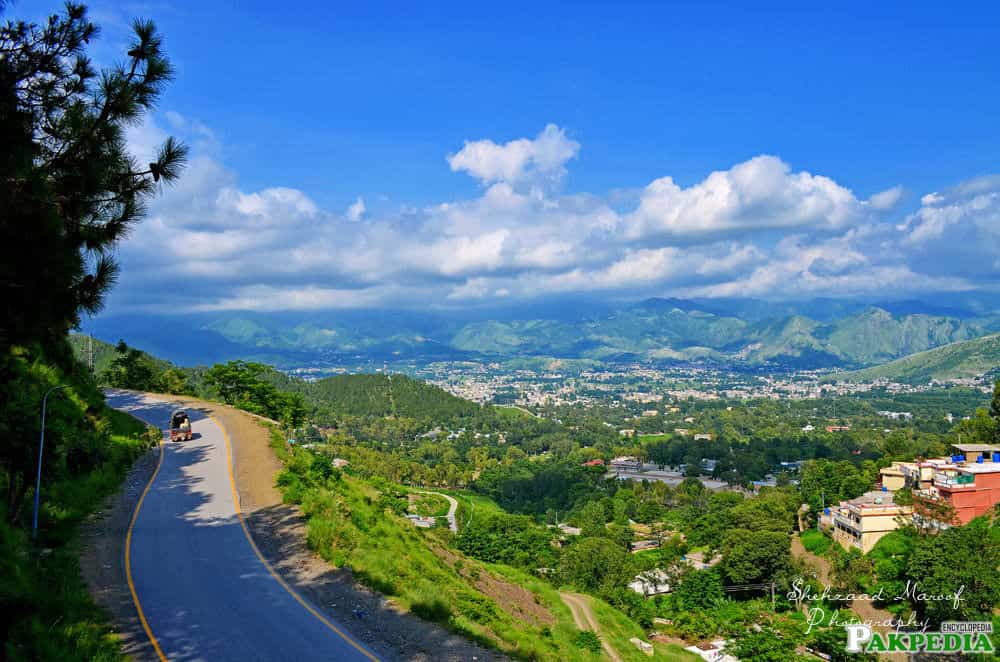
Abbottabad
View CityClick MeView City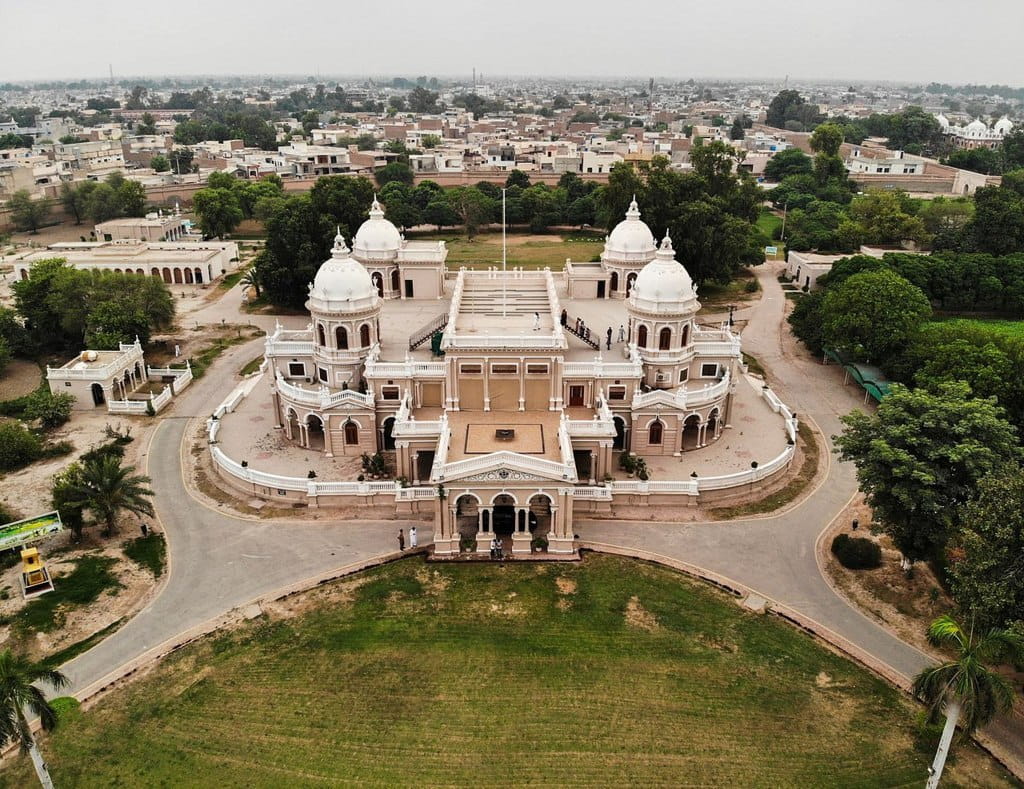
Discover Bahawalnagar: A Hidden Gem In Punjab, Pakistan
View CityClick MeView City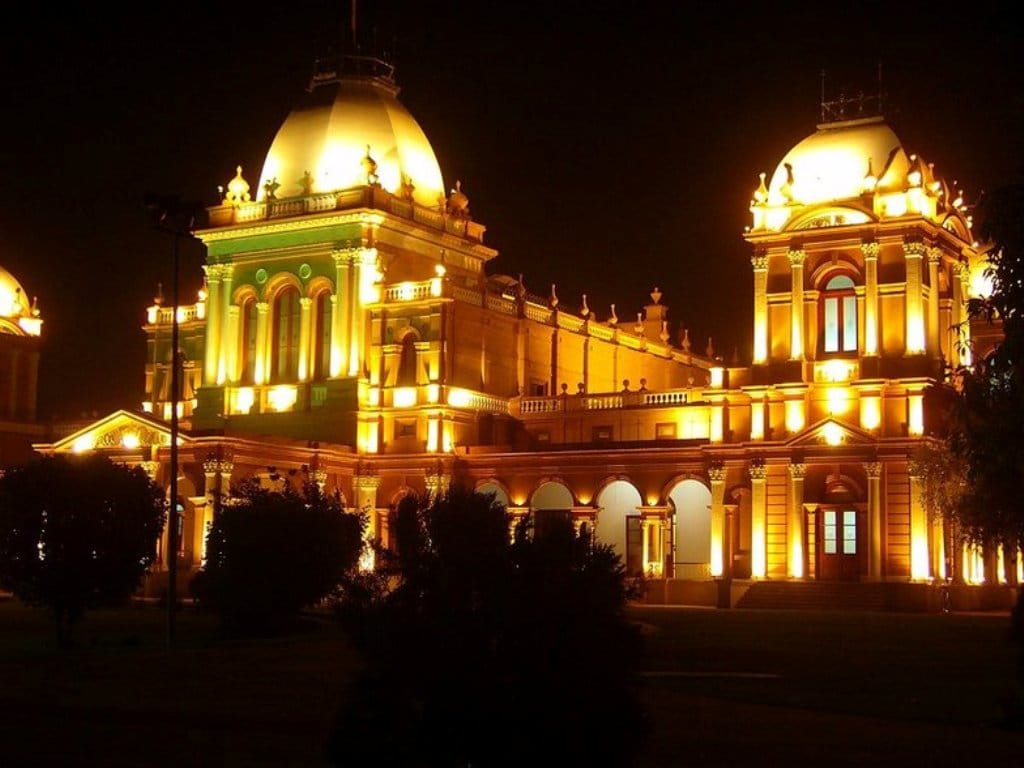
Bahawalpur
View CityClick MeView City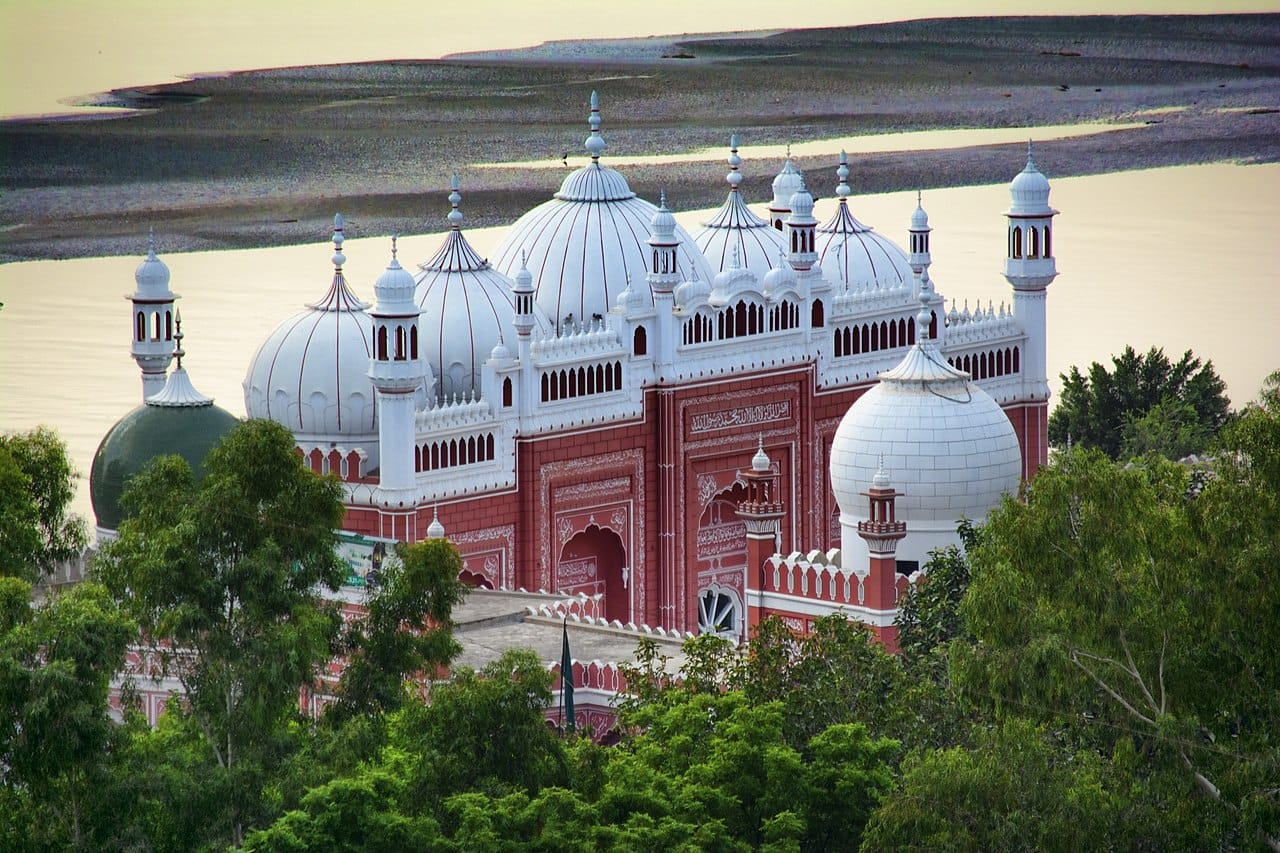
Chiniot
View CityClick MeView City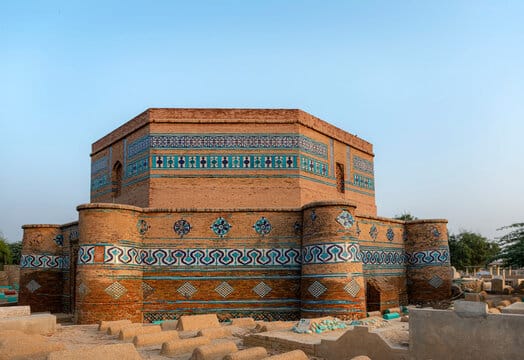
Dera Ghazi Khan
View CityClick MeView City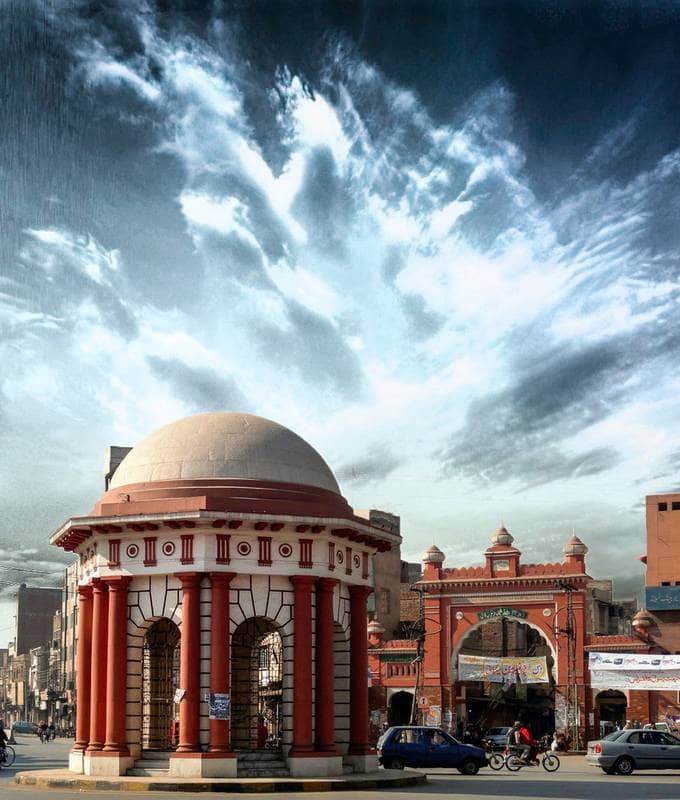
Faisalabad
View CityClick MeView City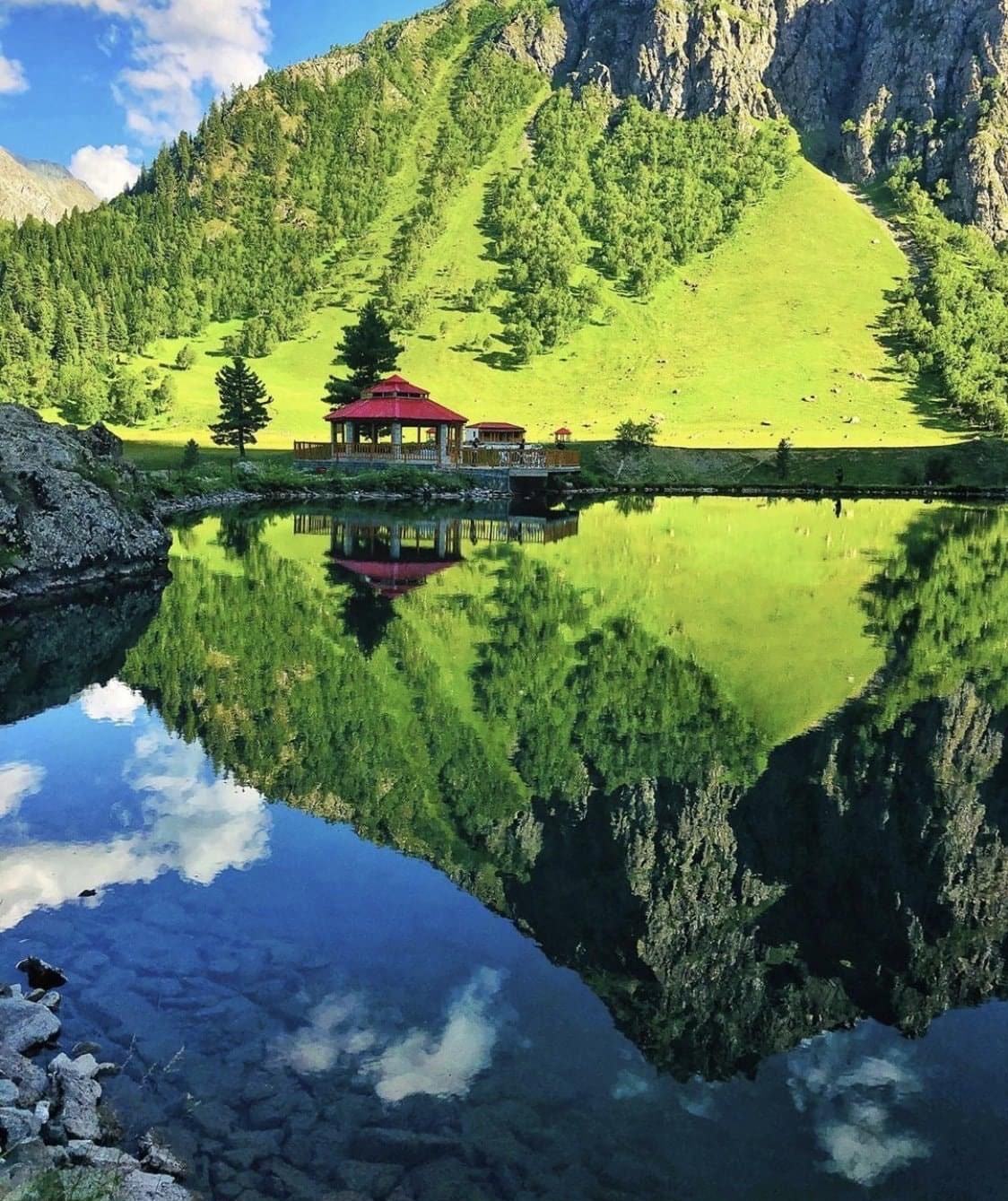
Gilgit
View CityClick MeView City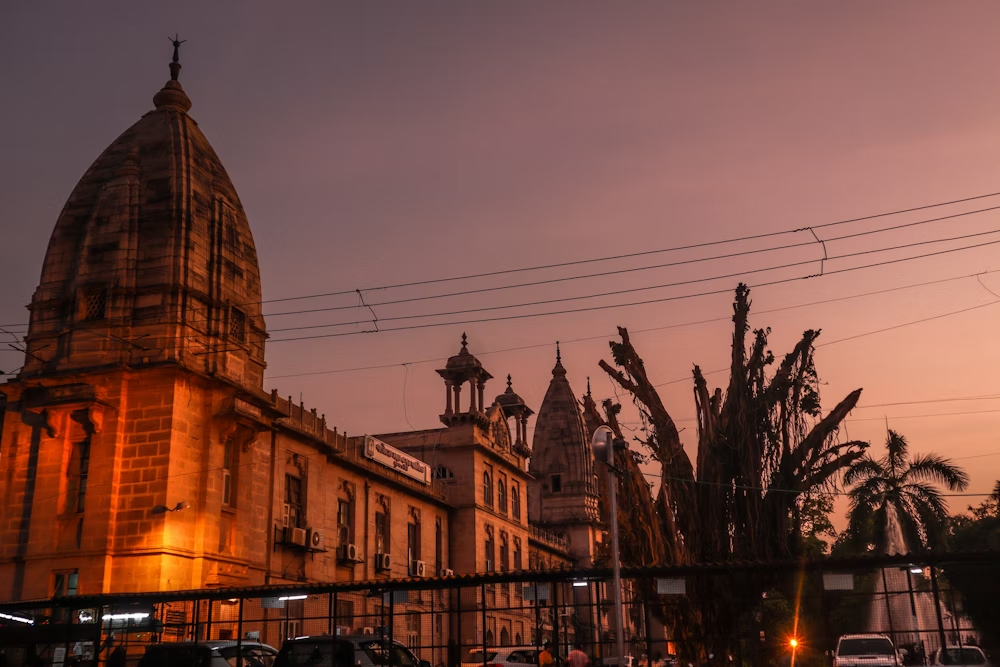
Gujrat
View CityClick MeView City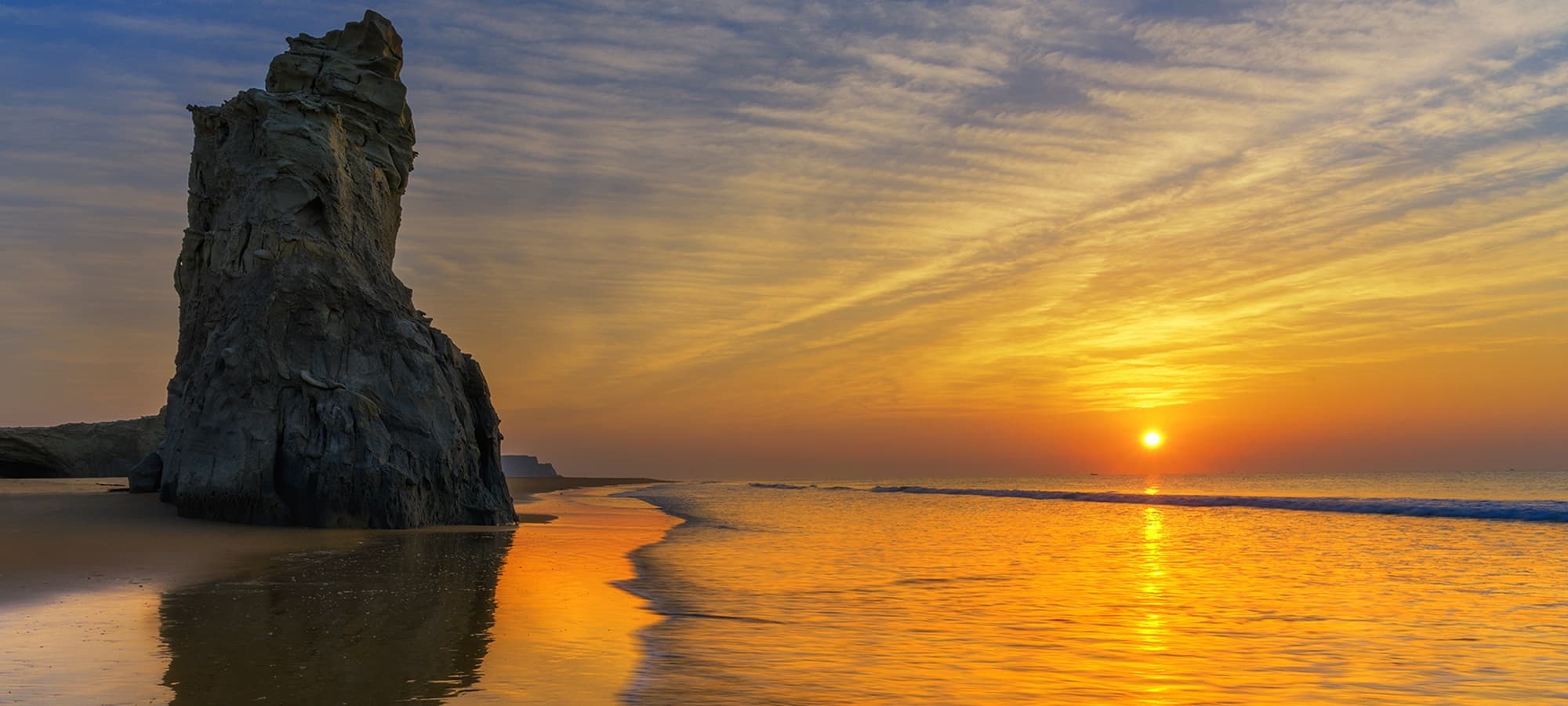
Gwadar
View CityClick MeView City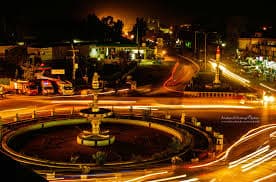
Hafizabad
View CityClick MeView City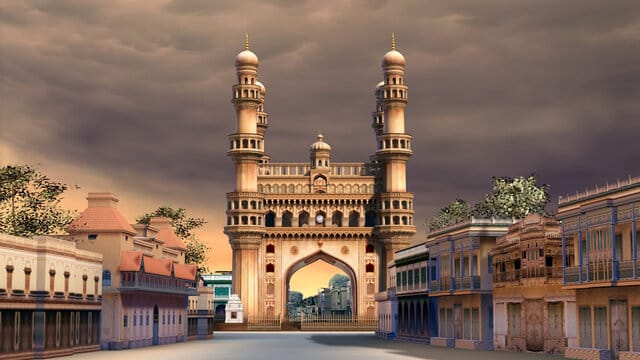
Hyderabad
View CityClick MeView City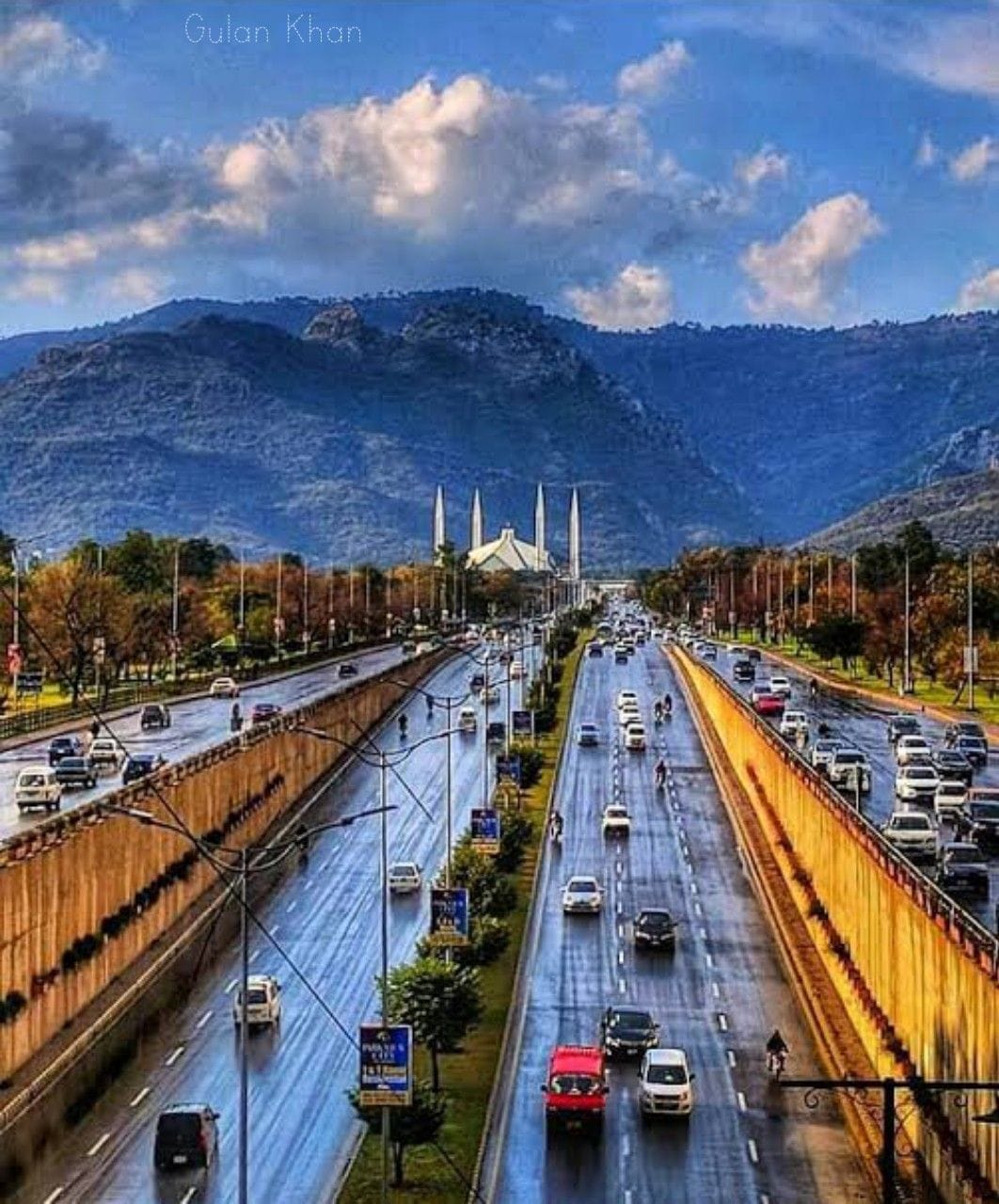
Islamabad, Capital City Of Pakistan
View CityClick MeView City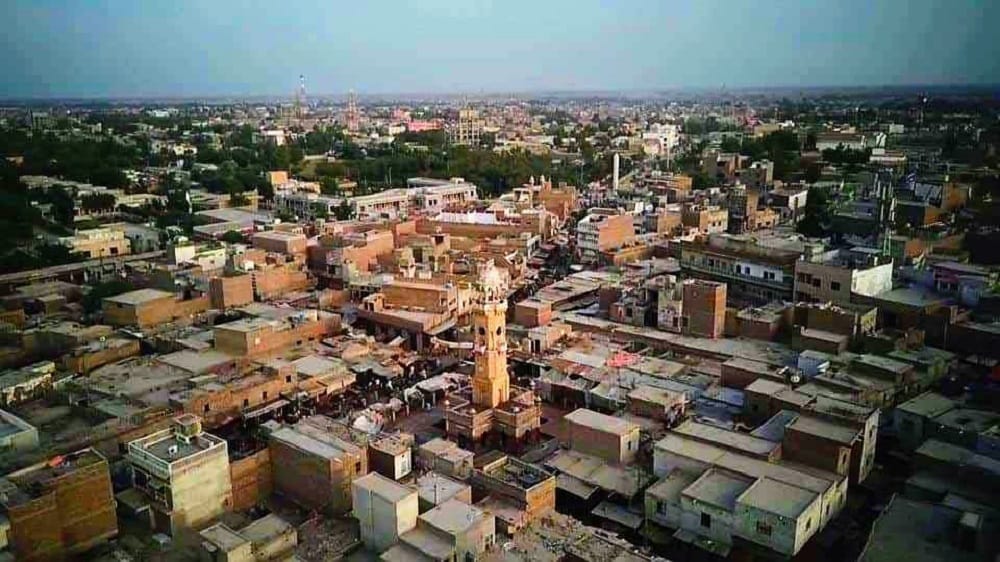
Jacobabad
View CityClick MeView City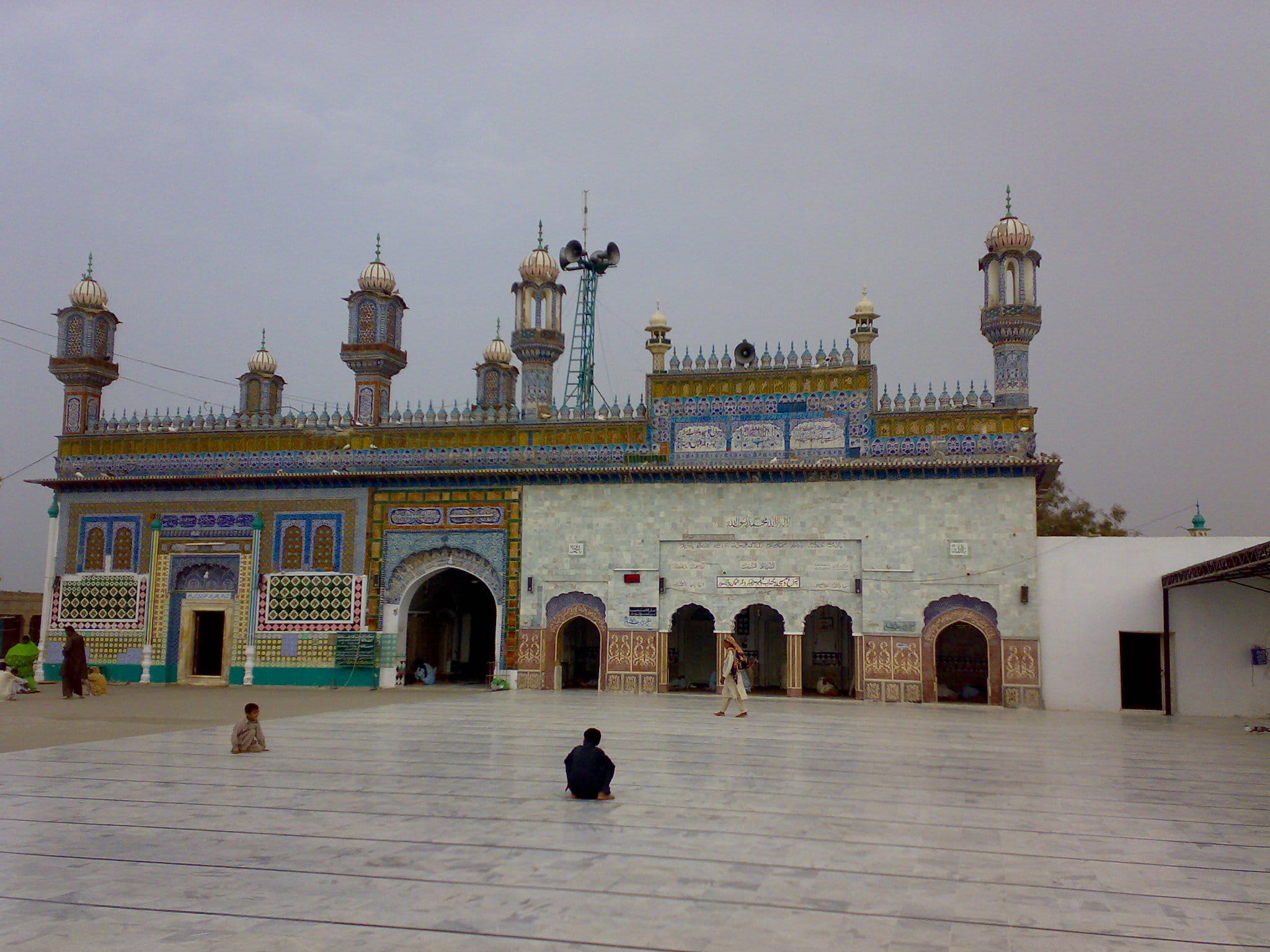
Jhang
View CityClick MeView City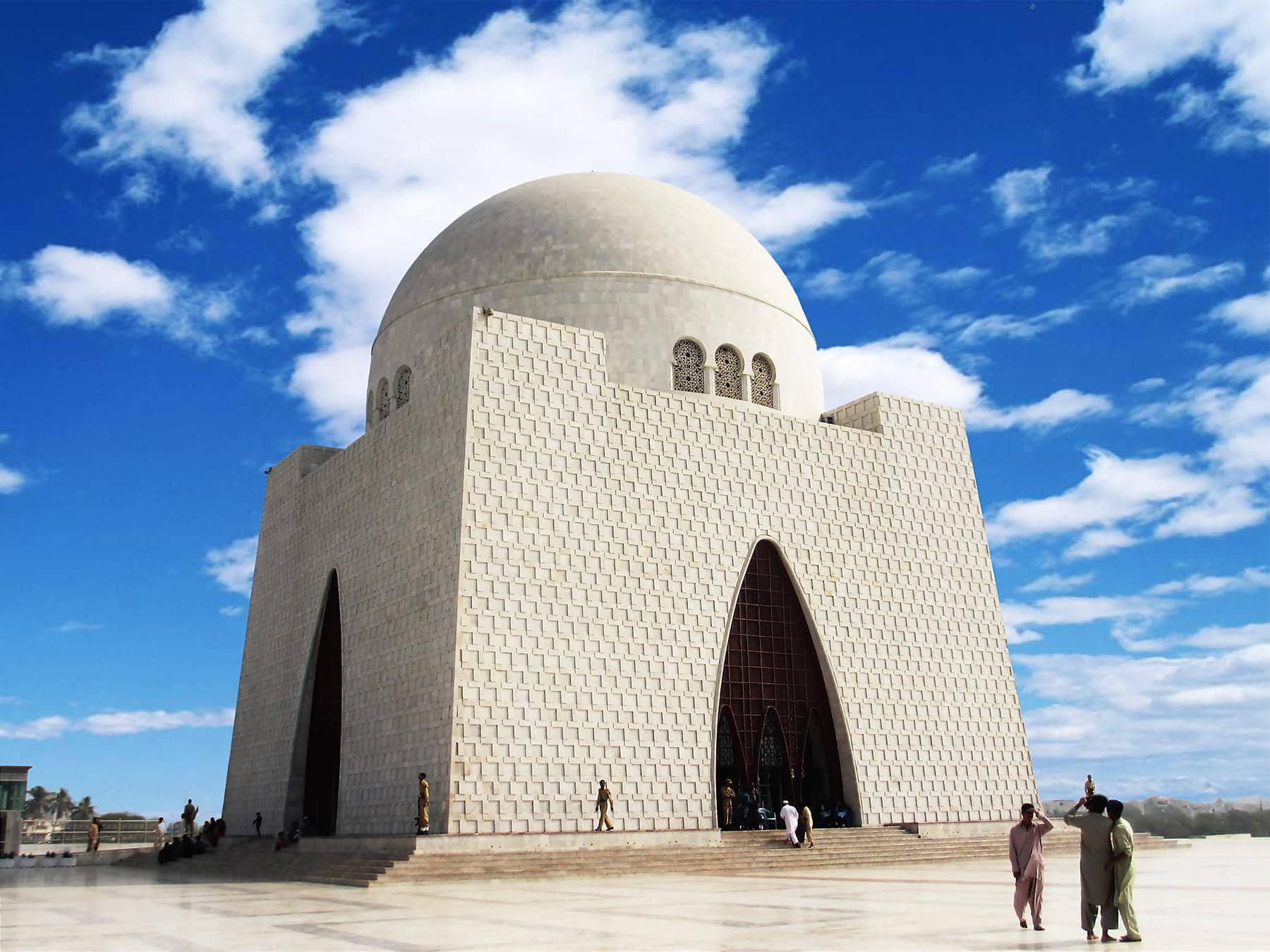
Karachi
View CityClick MeView City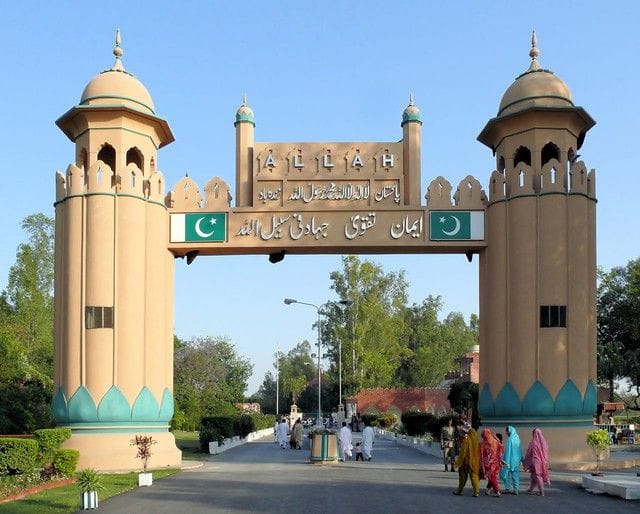
Kasur
View CityClick MeView City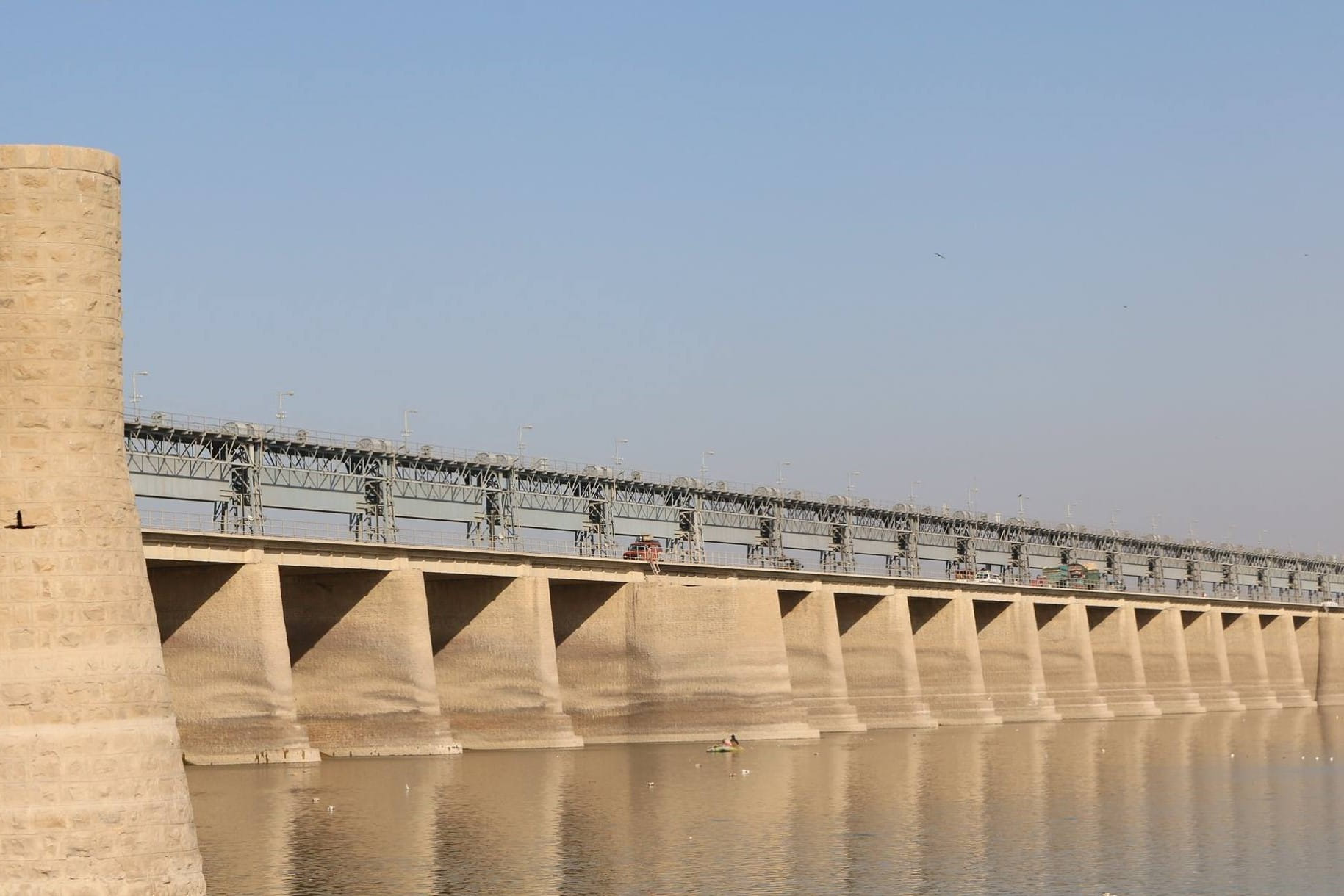
Kotri
View CityClick MeView City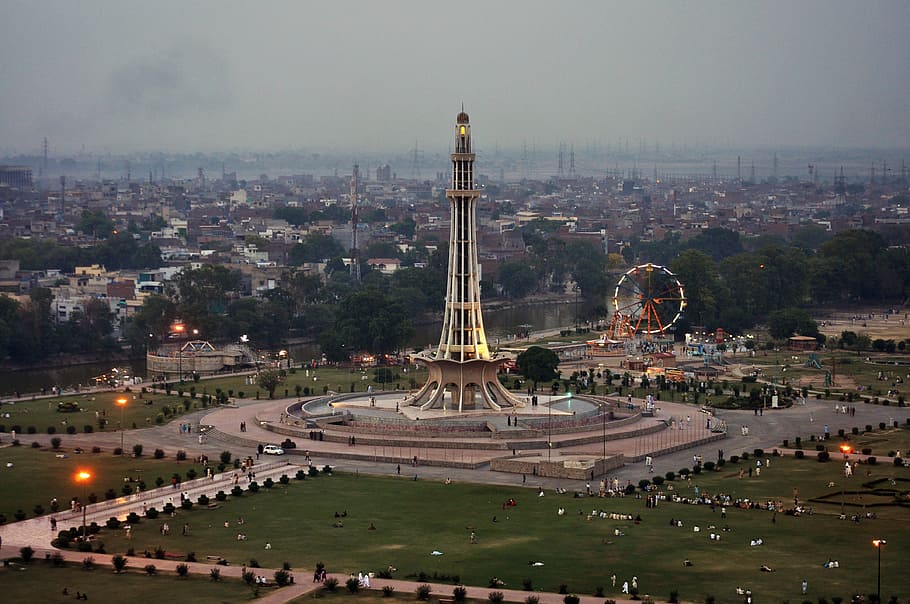
Lahore, Punjab, Pakistan
View CityClick MeView City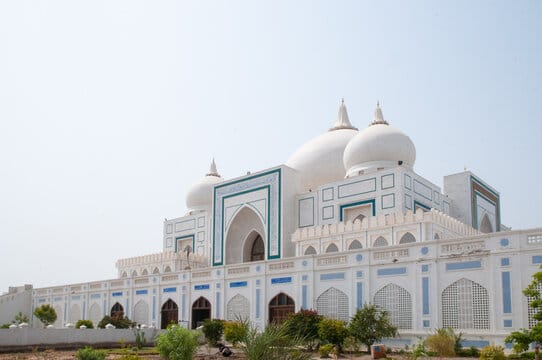
Larkana
View CityClick MeView City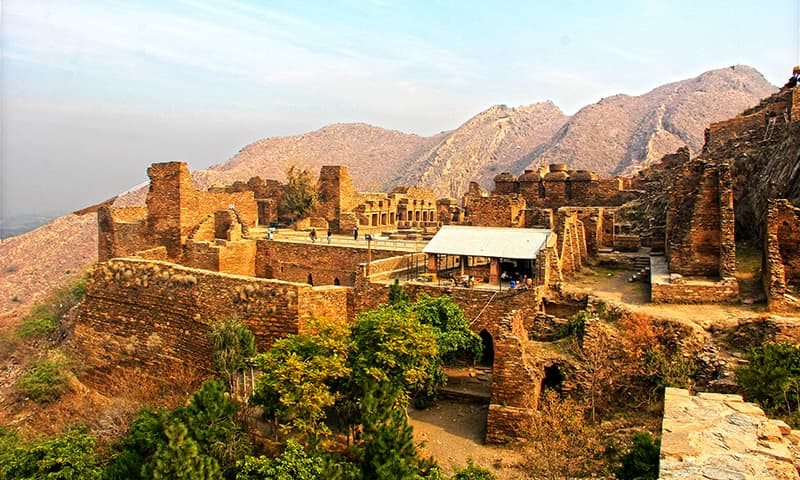
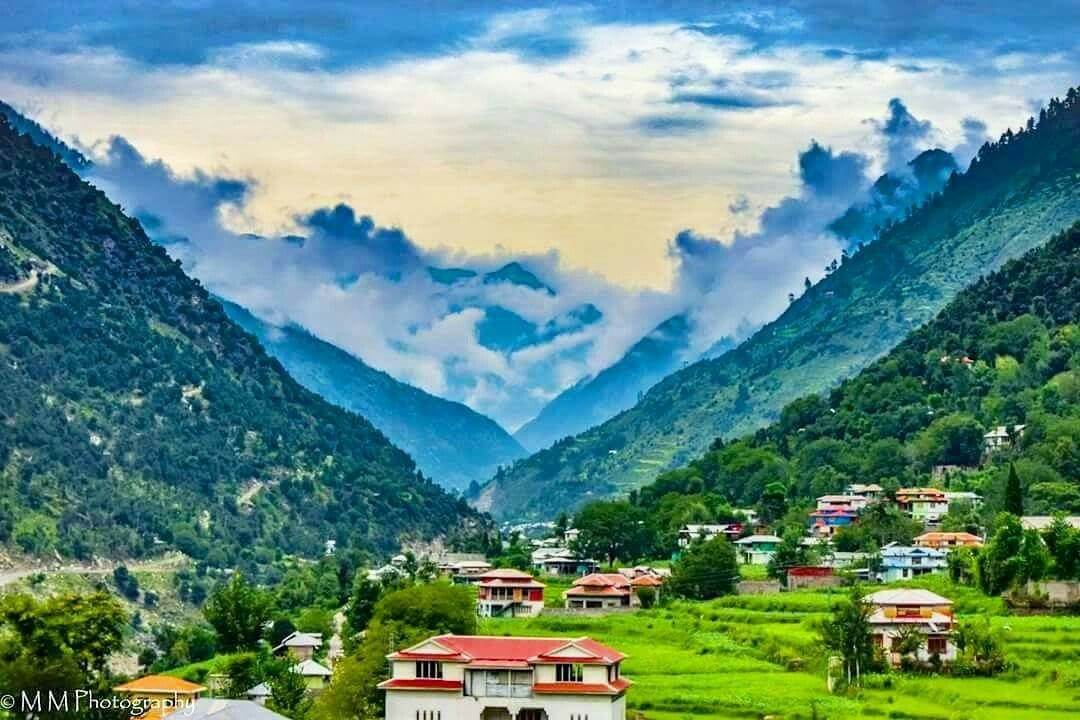
Mirpur Khas
View CityClick MeView City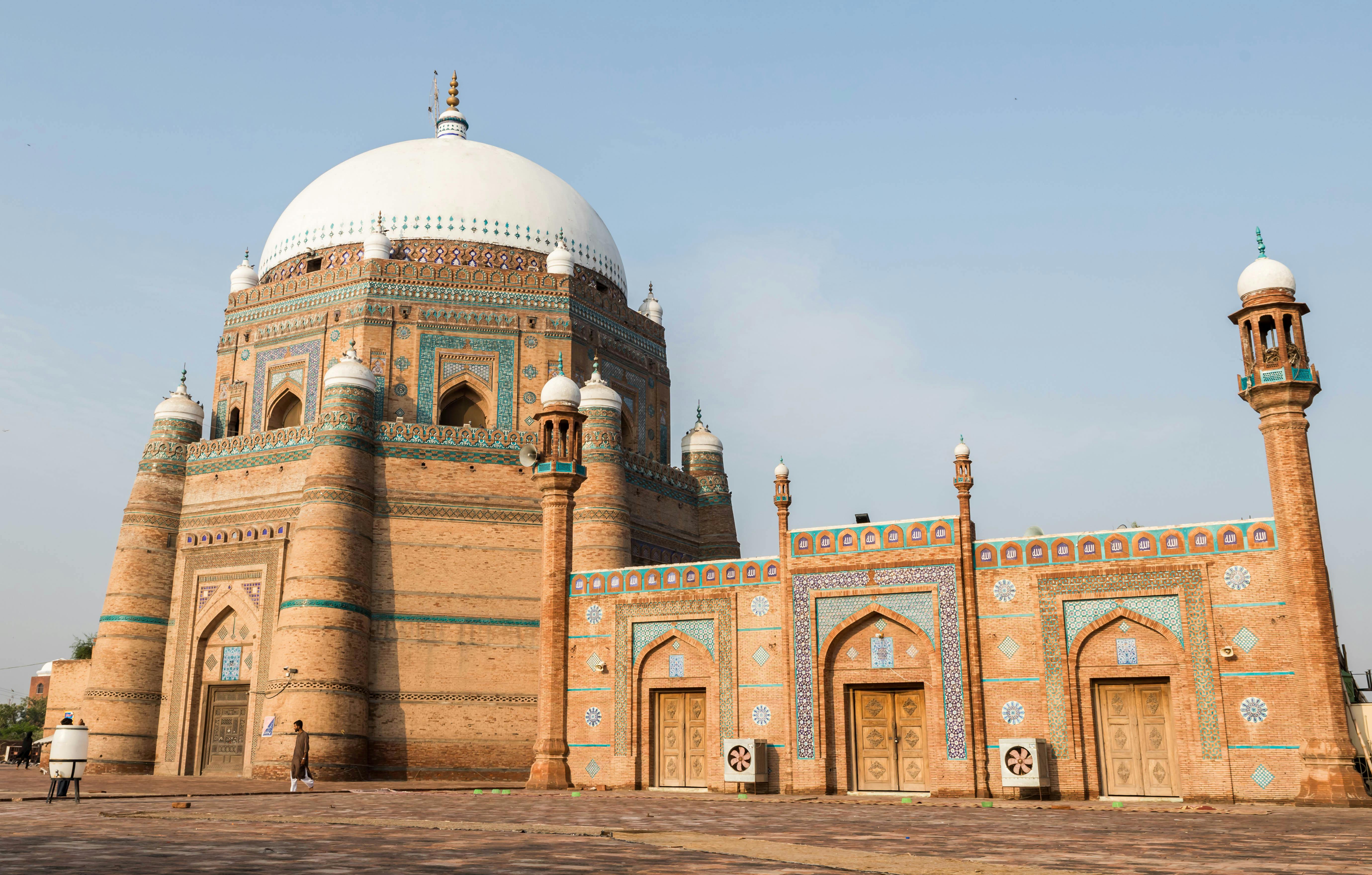
Multan
View CityClick MeView City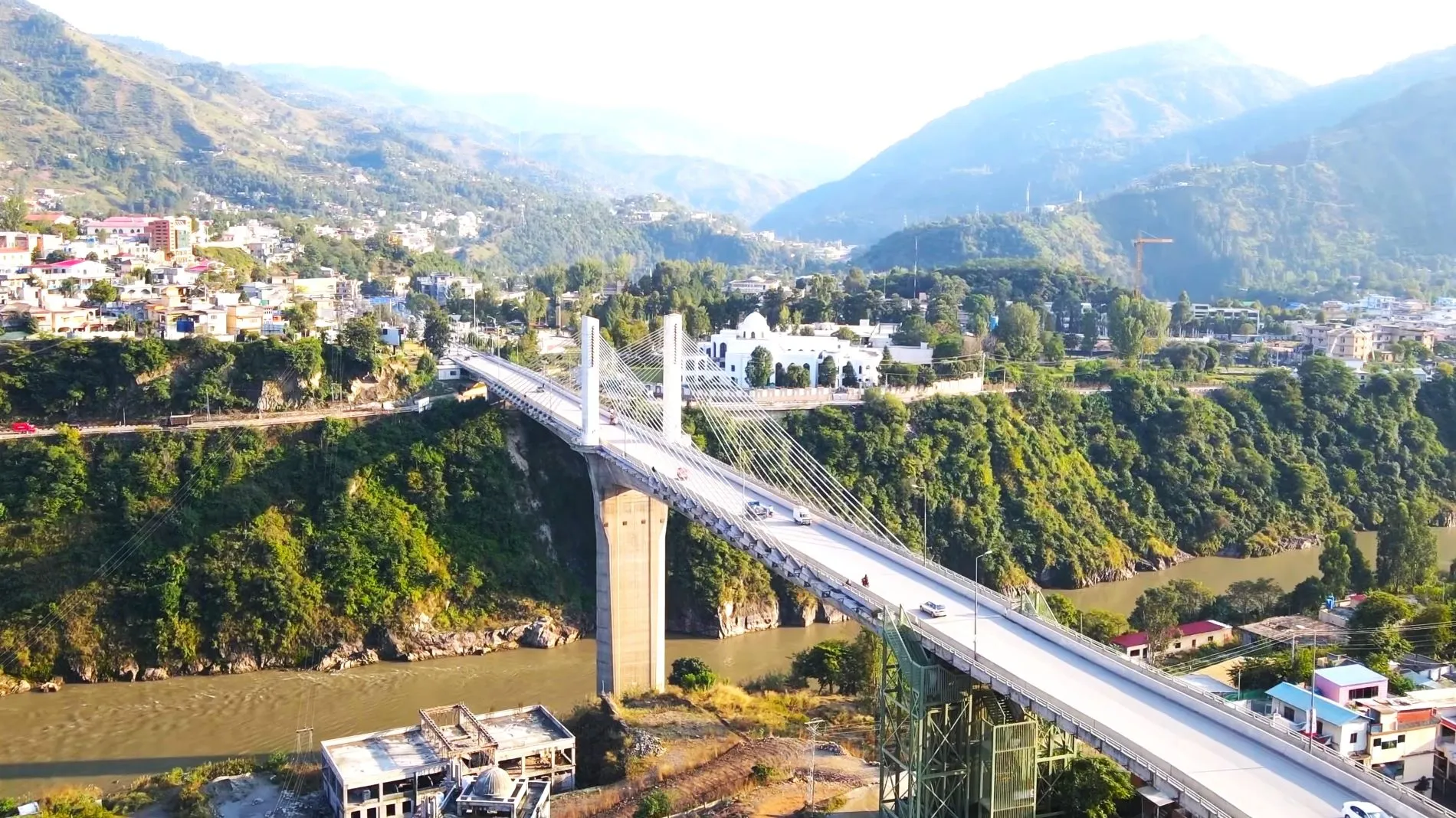
Muzaffarabad
View CityClick MeView City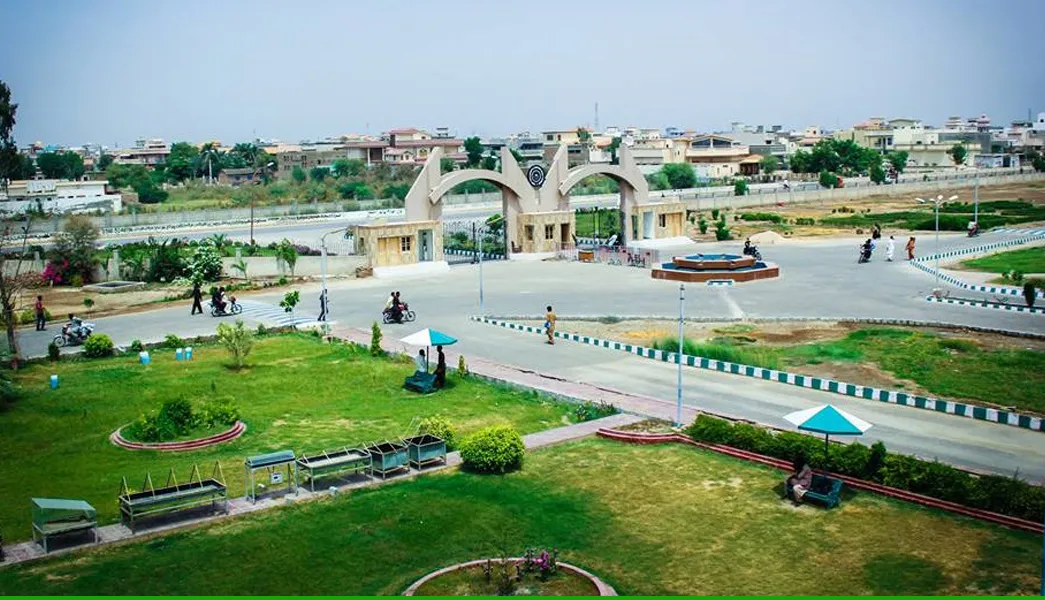
Nawabshah
View CityClick MeView City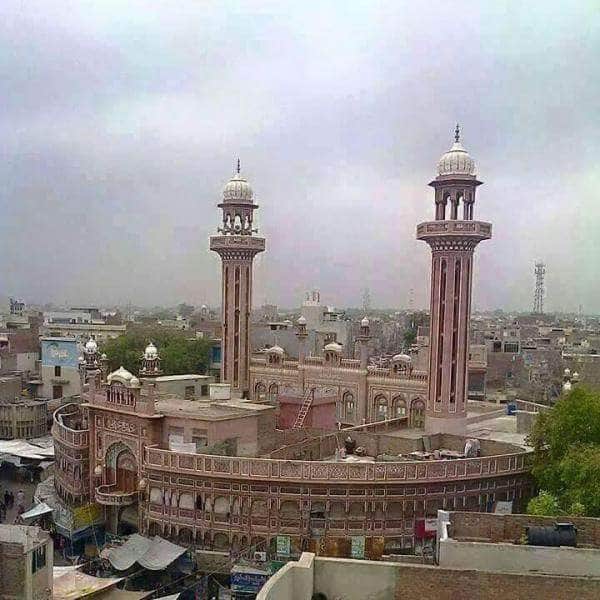
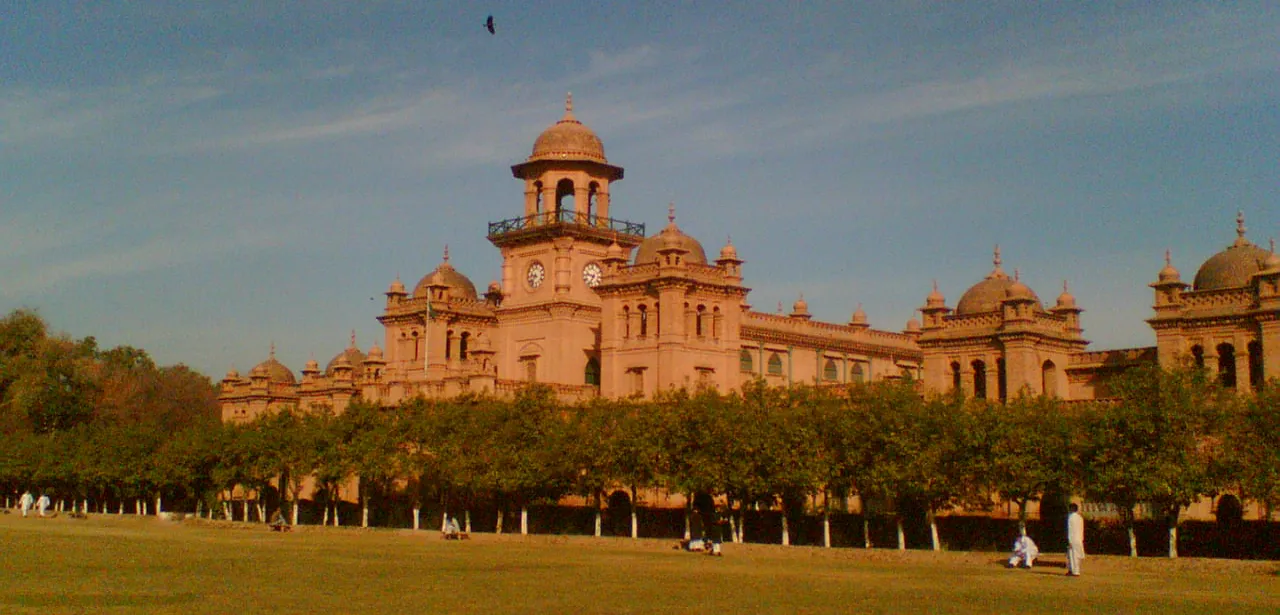
Peshawar
View CityClick MeView City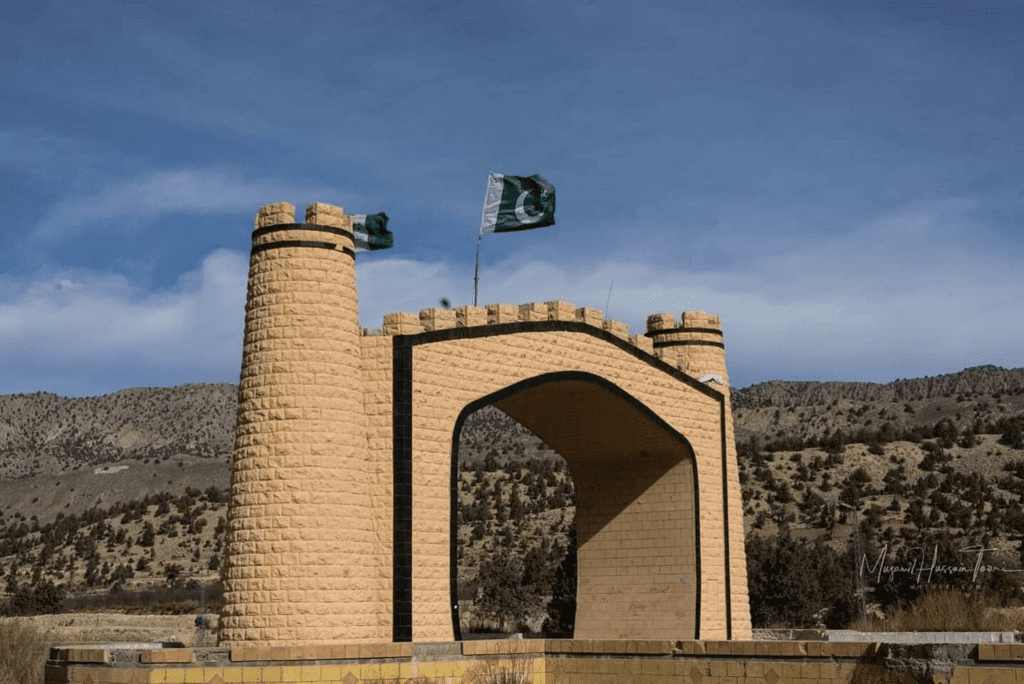
Quetta
View CityClick MeView City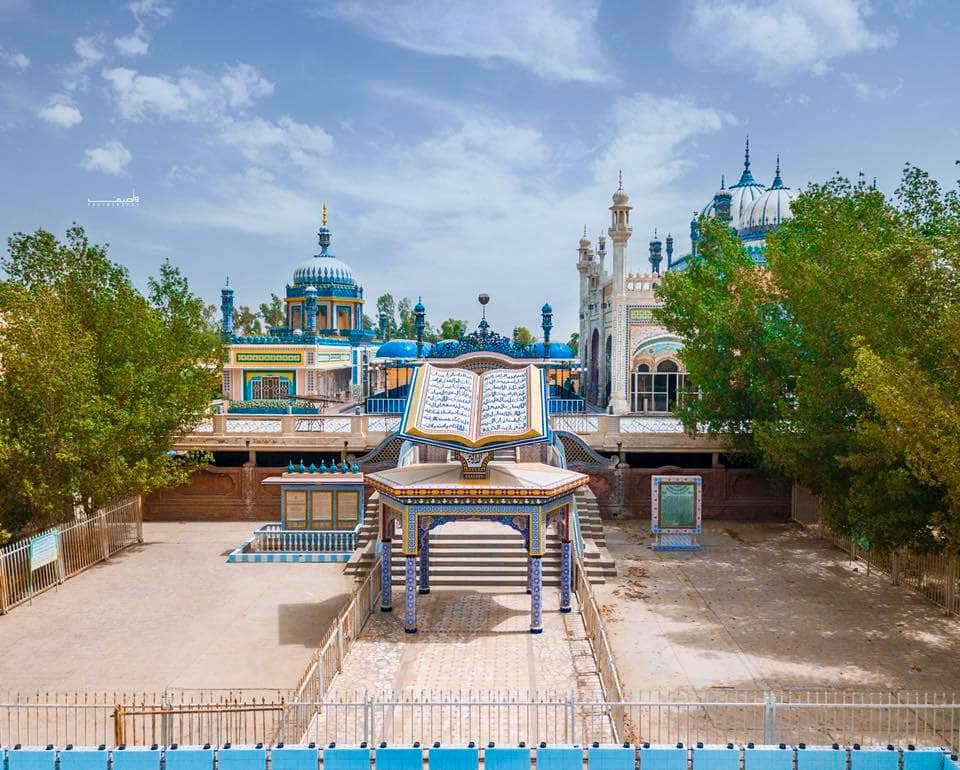
Rahim Yar Khan
View CityClick MeView City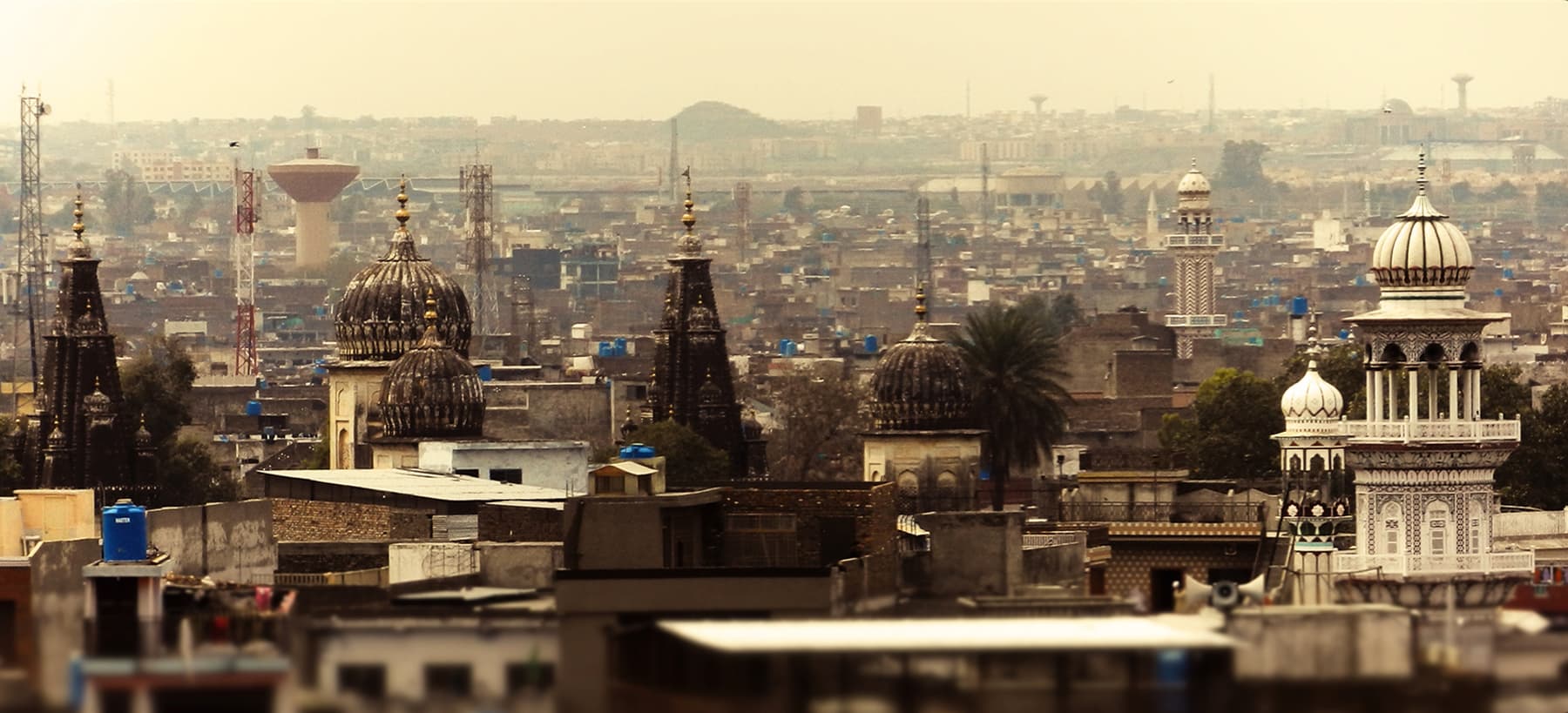
Rawalpindi
View CityClick MeView City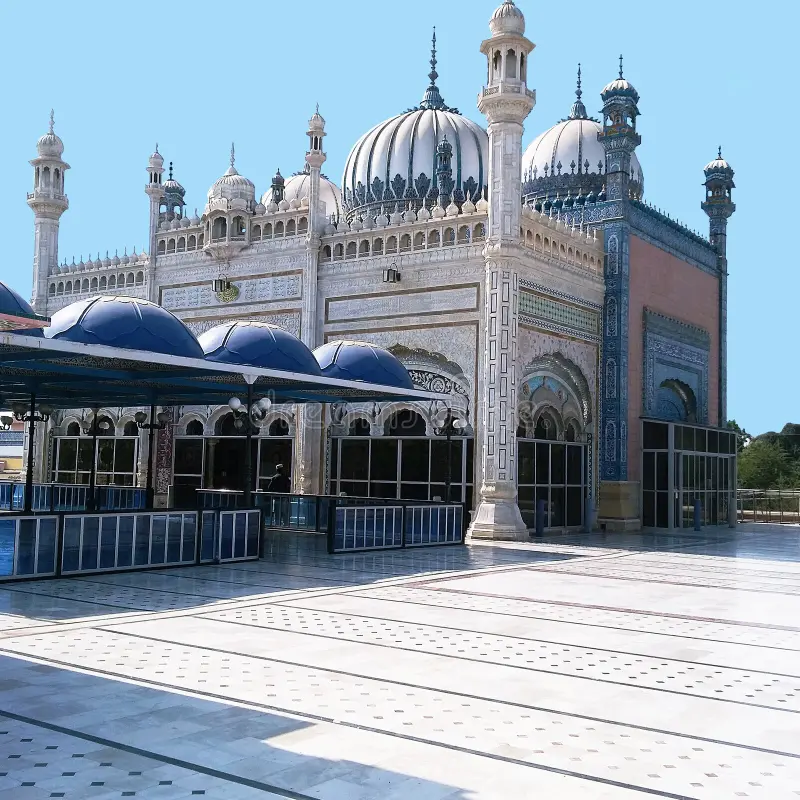
Sadiqabad
View CityClick MeView City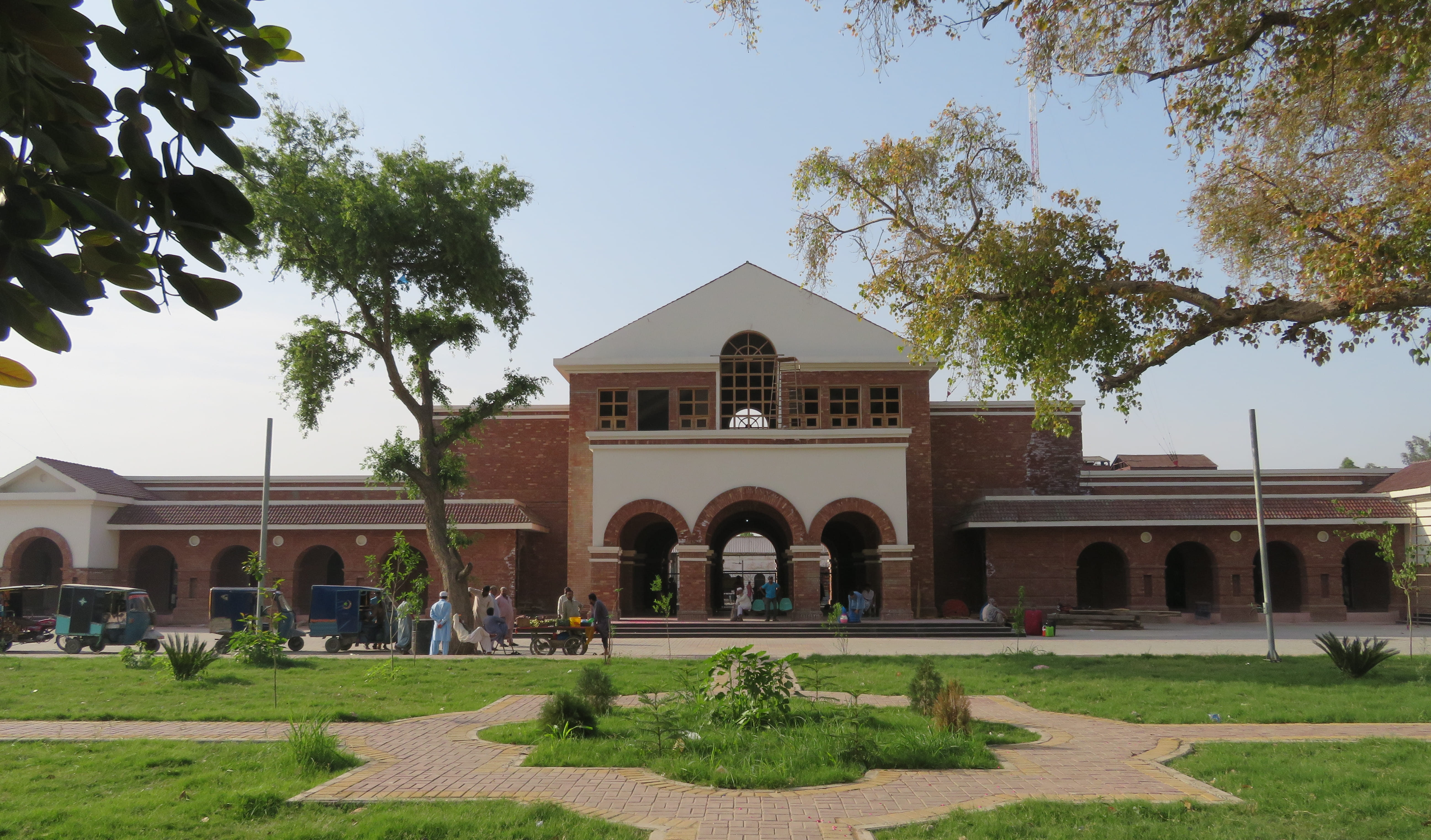
Sahiwal
View CityClick MeView City
Sargodha
View CityClick MeView City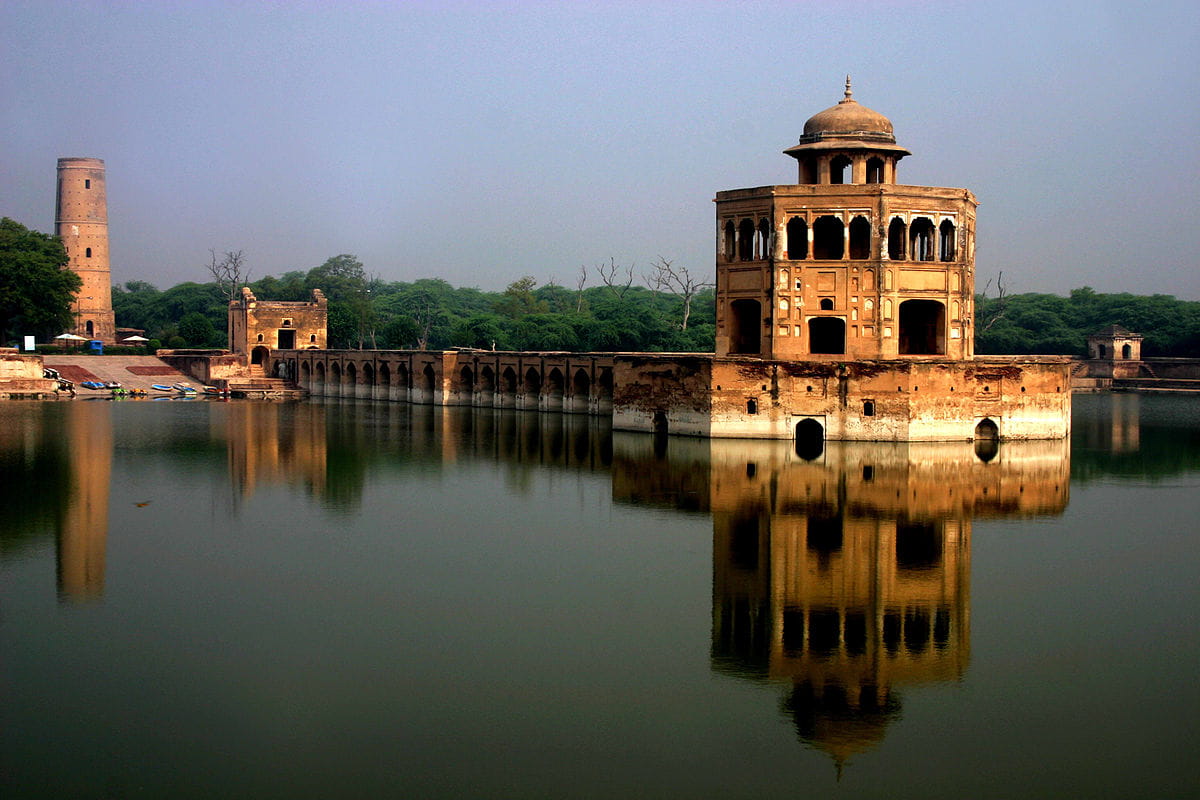
Sheikhupura
View CityClick MeView City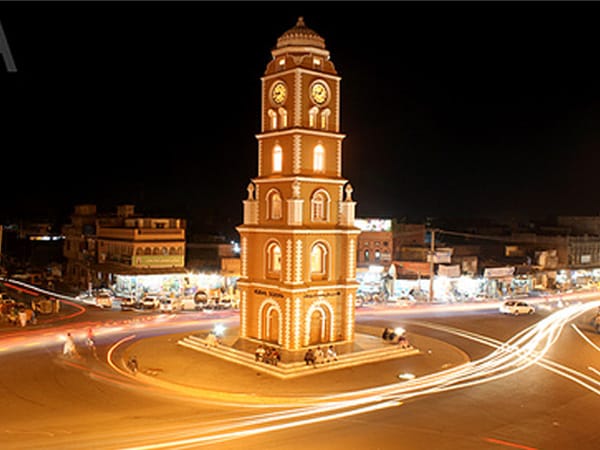
Sialkot
View CityClick MeView City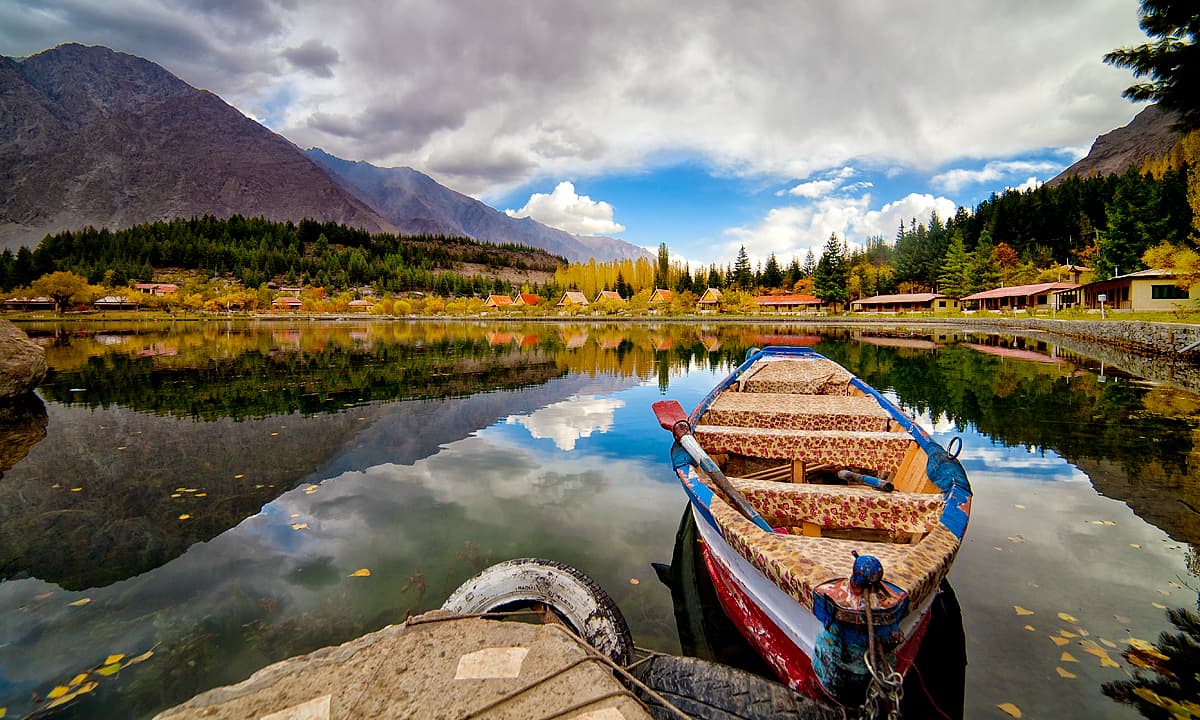
Skardu
View CityClick MeView City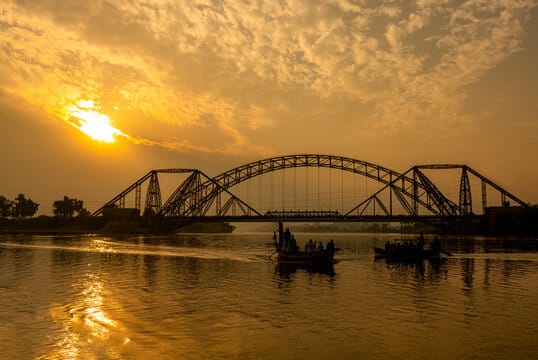
Sukkur
View CityClick MeView City
Pakistan, officially the Islamic Republic of Pakistan, is a country located in South Asia. It is bordered by India to the east, Afghanistan and Iran to the west, China to the north, and the Arabian Sea to the south. With a rich history and diverse culture, Pakistan is the world's fifth-most populous country, with over 240 million inhabitants. The country covers an area of 881,913 square kilometers, making it the 33rd-largest country in the world by area. Islamabad is the capital city, while Karachi is the largest city and economic hub. Lahore, Faisalabad, Rawalpindi, Multan, Peshawar, Quetta, Sialkot, and Gujranwala are other major cities in Pakistan.
The land of Pakistan has been home to several ancient cultures and civilizations, including the Mehrgarh of the Neolithic period and the Bronze Age Indus Valley Civilization, the most notable being the city of Mohenjo-Daro. Over the millennia, the region witnessed invasions and settlements by various peoples, including Indo-Aryans, Persians, Greeks, Scythians, Arabs, Turks, Afghans, Mongols, and the British, each leaving an indelible mark on the region's culture, religion, and history.
The modern state of Pakistan was established on August 14, 1947, as a result of the partition of British India. This partition led to the creation of two independent dominions: India and Pakistan. Pakistan was envisioned as a homeland for Muslims in the Indian subcontinent, a vision largely driven by Muhammad Ali Jinnah, the founder and first Governor-General of Pakistan. Initially, Pakistan was composed of West Pakistan (modern-day Pakistan) and East Pakistan (modern-day Bangladesh). However, in 1971, following a bloody civil war and intervention by India, East Pakistan seceded to become the independent nation of Bangladesh.
Pakistan's geography is varied, encompassing a wide range of landscapes. In the north, the towering peaks of the Karakoram, including K2, the second-highest mountain in the world, dominate the landscape. The northwestern regions feature the rugged terrain of the Hindu Kush, while the western areas consist of the arid plateau of Balochistan. The eastern part of the country features the fertile plains of Punjab and the Indus River, which is the lifeline of the country's agriculture. The southern coastlines along the Arabian Sea include sandy beaches and mangrove forests.
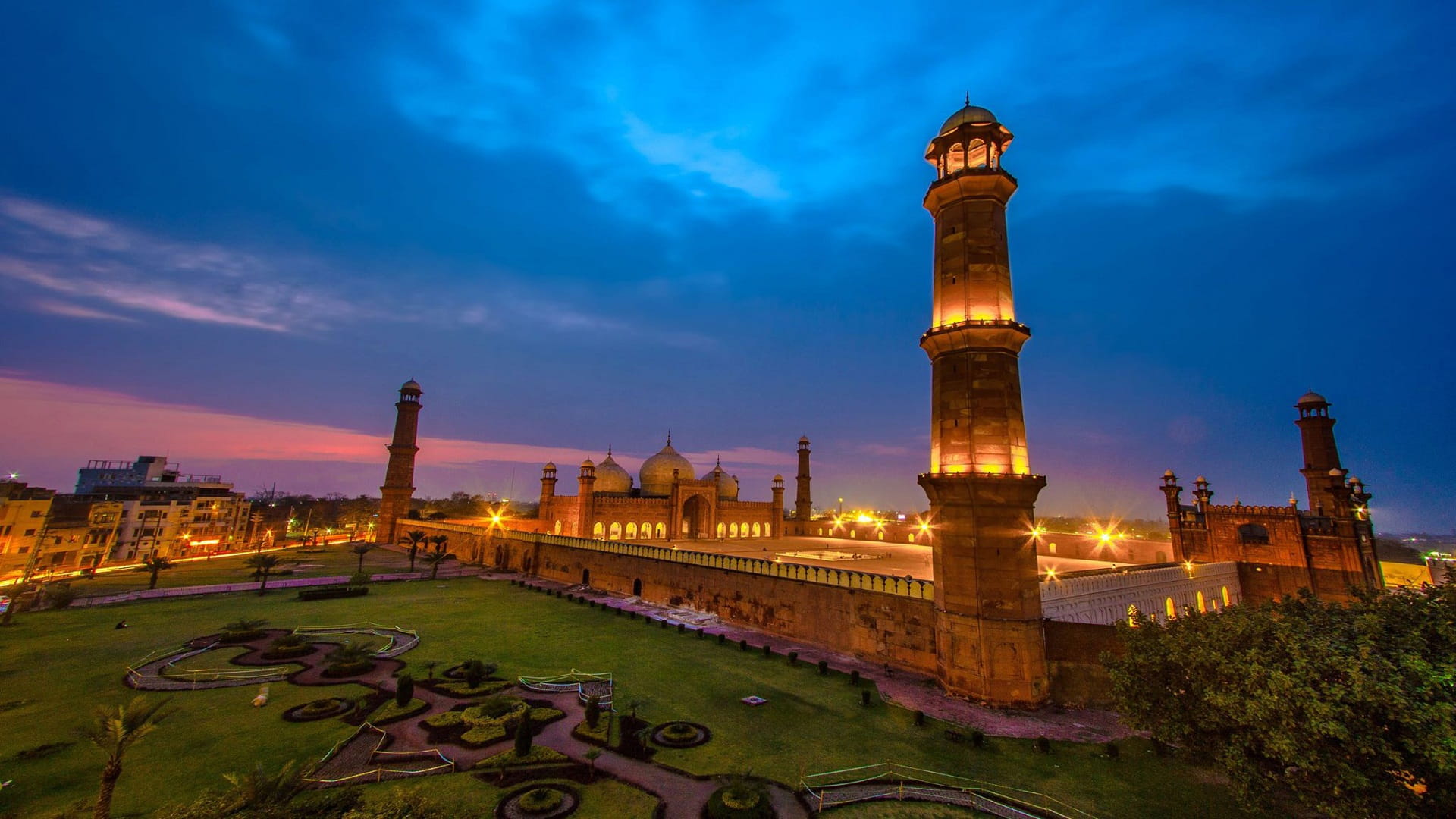
The country is divided into four provinces: Punjab, Sindh, Khyber Pakhtunkhwa, and Balochistan, as well as two autonomous territories, Gilgit-Baltistan and Azad Jammu and Kashmir. Each of these regions has its unique cultural and historical significance. Punjab, the most populous province, is the agricultural heartland of Pakistan and is known for its rich cultural heritage, including traditional music, dance, and festivals. Lahore, the provincial capital, is famous for its Mughal architecture, vibrant arts scene, and culinary delights.
Sindh, with its capital Karachi, is the second-most populous province. Karachi, being the largest city, serves as the economic and financial hub of Pakistan. It is a melting pot of cultures and ethnicities, reflecting the diverse history of the region. Karachi's coastline, bustling markets, and modern infrastructure make it a key player in the nation's economy. The province of Sindh is also home to the ancient city of Thatta and the archaeological site of Mohenjo-Daro.
Khyber Pakhtunkhwa, located in the northwest, is known for its scenic beauty, including the Swat Valley, often referred to as the "Switzerland of the East." Peshawar, the provincial capital, is one of the oldest cities in South Asia and has a rich history influenced by various civilizations, including the Greeks, Mauryans, and Mughals. The region is also significant for its tribal areas, which have a unique culture and have played a crucial role in the country's history.
Balochistan, the largest province by area, is sparsely populated but rich in natural resources. The province's capital, Quetta, serves as a major trade and communication center. Balochistan's landscape is characterized by rugged mountains and deserts, with significant mineral deposits, including natural gas, coal, and copper. The Gwadar Port, a key component of the China-Pakistan Economic Corridor (CPEC), is located in Balochistan and is expected to play a crucial role in regional trade and development.
Islamabad, the capital city, is known for its modern architecture, greenery, and high standard of living. It was constructed during the 1960s to replace Karachi as the capital and was strategically chosen for its location. The city is home to various government buildings, foreign embassies, and educational institutions, including the Quaid-e-Azam University.
Faisalabad, known as the "Manchester of Pakistan," is an industrial city in the province of Punjab. It is the center of the textile industry and contributes significantly to the economy. Faisalabad's economic significance is complemented by its cultural vibrancy and educational institutions.
Rawalpindi, adjacent to Islamabad, serves as the military headquarters of Pakistan. The city has historical significance, with numerous ancient sites and a vibrant market culture. Rawalpindi acts as a commercial hub, benefiting from its proximity to the capital.
Multan, another major city in Punjab, is known as the "City of Saints" due to its numerous Sufi shrines. The city's history dates back to antiquity, and it has been a center of spiritual and cultural activities for centuries. Multan is also known for its fertile lands and mango production.
Peshawar, the capital of Khyber Pakhtunkhwa, is one of the oldest cities in South Asia, with a history spanning thousands of years. The city's strategic location on the Khyber Pass has made it a crossroads for trade and cultural exchange. Peshawar's bazaars, historic sites, and diverse population reflect its rich heritage.
Quetta, the capital of Balochistan, is an important cultural and commercial center. The city is known for its diverse population, which includes Pashtuns, Baloch, Hazaras, and other ethnic groups. Quetta's location near the border with Afghanistan has made it a key trade route and military outpost.
Sialkot, located in Punjab, is known for its sports goods and surgical instruments industry. The city has a rich history and is considered one of the oldest cities in the region. Sialkot's entrepreneurial spirit has made it a significant contributor to Pakistan's economy.
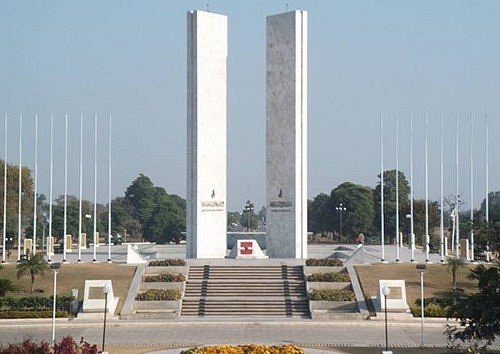
Gujranwala, also in Punjab, is an industrial city known for its manufacturing and agriculture. The city has a vibrant industrial sector, producing a wide range of goods, including textiles, ceramics, and steel. Gujranwala's economic strength is supported by its fertile agricultural lands.
Pakistan's economy is diverse, with agriculture, industry, and services sectors contributing to its GDP. Agriculture remains a vital part of the economy, employing a significant portion of the population. Major crops include wheat, rice, cotton, and sugarcane. The country is also known for its fruit production, including mangoes, citrus fruits, and apples.
The industrial sector is well-developed, with textiles being the largest manufacturing industry. Pakistan is one of the world's largest producers of textiles and garments, exporting to markets around the globe. Other important industries include cement, pharmaceuticals, and automobiles.
The services sector, particularly telecommunications and banking, has seen significant growth in recent years. The development of the IT sector has also been notable, with Pakistan becoming an emerging hub for software development and outsourcing services.
Pakistan's cultural heritage is rich and diverse, influenced by its various ethnic groups, including Punjabis, Sindhis, Pashtuns, Baloch, and others. Each region has its unique traditions, languages, and cultural practices. Urdu is the national language and serves as a lingua franca, while English is widely used in official and business contexts.
Islam plays a central role in Pakistani society, influencing its culture, laws, and daily life. The country has numerous mosques, madrasas, and religious institutions. Sufism, a mystical form of Islam, has a significant presence in Pakistan, with many shrines and festivals dedicated to Sufi saints.
The arts are an integral part of Pakistani culture, with contributions in music, dance, literature, and visual arts. Traditional music includes qawwali, ghazals, and classical music, while contemporary genres like pop and rock are also popular. Pakistan has produced renowned poets like Allama Iqbal and Faiz Ahmed Faiz, whose works continue to inspire generations.
Cuisine in Pakistan is diverse and flavorful, with regional variations. The food is characterized by its use of spices and herbs, with popular dishes including biryani, kebabs, and nihari. Street food is an essential part of the culinary landscape, offering a wide variety of snacks and delicacies.
Sports are a significant aspect of Pakistani culture, with cricket being the most popular sport. The national cricket team has achieved international success, including winning the Cricket World Cup in 1992. Other popular sports include field hockey, squash, and football. Pakistan has produced world-class athletes in these sports, contributing to its international reputation.
Education in Pakistan is a critical area of focus, with efforts to improve literacy rates and access to quality education. The country has numerous universities and colleges, including prestigious institutions like the University of the Punjab, Quaid-e-Azam University, and Lahore University of Management Sciences (LUMS). Despite these advancements, challenges remain in providing education to all segments of society, particularly in rural and underprivileged areas.
Healthcare in Pakistan has seen improvements, with the development of hospitals and medical facilities. However, access to healthcare remains uneven, with disparities between urban and rural areas. Efforts are being made to address these challenges through public health initiatives and partnerships with international organizations.
Pakistan's foreign relations are shaped by its strategic location and historical context. The
country has close ties with China, with significant economic and military cooperation, particularly through the China-Pakistan Economic Corridor (CPEC). Relations with the United States have been complex, involving cooperation in areas such as counter-terrorism and economic aid, alongside disagreements on various geopolitical issues.
India and Pakistan have a contentious relationship, primarily due to the Kashmir conflict. Despite occasional attempts at dialogue and peace initiatives, the two countries have experienced periods of heightened tension and conflict. The situation in Kashmir remains a significant point of contention, impacting regional stability.
Pakistan is a member of various international organizations, including the United Nations, the Organisation of Islamic Cooperation (OIC), and the South Asian Association for Regional Cooperation (SAARC). The country plays an active role in these organizations, contributing to discussions on global and regional issues.
Environmental challenges in Pakistan include deforestation, air and water pollution, and the impacts of climate change. The country is vulnerable to natural disasters such as earthquakes, floods, and droughts. Efforts are being made to address these environmental issues through policies and initiatives aimed at promoting sustainability and conservation.
Pakistan's media landscape is vibrant, with a diverse range of television channels, radio stations, and newspapers. The media plays a crucial role in shaping public opinion and providing a platform for debate and discussion. Despite facing challenges such as censorship and threats to journalists, the media continues to be a critical pillar of Pakistani society.
Tourism in Pakistan has significant potential, with its rich cultural heritage, historical sites, and natural beauty. The country offers a variety of tourist attractions, from the ancient ruins of Mohenjo-Daro and Taxila to the stunning landscapes of the Northern Areas, including Hunza Valley and Skardu. Efforts are being made to promote tourism and improve infrastructure to attract both domestic and international visitors.
In conclusion, Pakistan is a country with a rich history, diverse culture, and significant potential for growth and development. Its major cities, each with unique characteristics and contributions, play a crucial role in the nation's socio-economic landscape. Despite facing challenges, Pakistan continues to strive towards progress and development, aiming to improve the quality of life for its citizens and strengthen its position on the global stage.
Just follow us on social media, where stories unfold,
Stay with us for moments worth their weight in gold.


SCAN ME
