



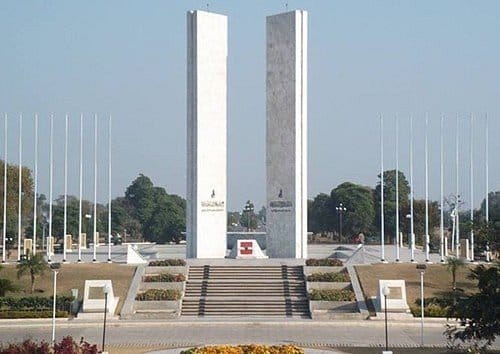







Gujranwala, located in the Punjab province of Pakistan, is a city with a rich historical background and significant economic importance. Founded in the 18th century, Gujranwala has grown from a small agricultural settlement into one of Pakistan's major industrial centers. The city is named after the Gujjar tribe, which historically inhabited the region.
### Early History
The area around Gujranwala has been inhabited for thousands of years, with evidence of early settlements dating back to the Indus Valley Civilization. However, the city itself was established much later, during the Mughal era. It gained prominence under the rule of the Sikh Empire in the 18th century, particularly under Maharaja Ranjit Singh, who was born in the nearby village of Badrukhan and used Gujranwala as a military and administrative center.
### British Colonial Period
In 1849, after the Second Anglo-Sikh War, Gujranwala came under British control. The British colonial administration invested in the city's infrastructure, developing its railway and irrigation systems, which facilitated agricultural and industrial growth. During this period, Gujranwala emerged as a significant center for trade and commerce, especially in grains, textiles, and metalworking.
### Post-Independence Era
Following the partition of India in 1947, Gujranwala became part of Pakistan. The city experienced a demographic shift as Muslim refugees from India settled here, boosting its population and economic activities. In the following decades, Gujranwala transformed into an industrial powerhouse, known for its manufacturing sector, particularly in ceramics, textiles, and steel production.
### Modern Gujranwala
Today, Gujranwala is one of Pakistan's largest and most industrially developed cities. It is renowned for its diverse industrial base, including manufacturing, agriculture, and trade. The city’s industrial zones house numerous factories producing goods ranging from electrical appliances to agricultural machinery. Gujranwala is also famous for its food industry, particularly its traditional Punjabi cuisine, which attracts visitors from all over the region.
### Cultural Heritage
Despite its industrial character, Gujranwala retains a rich cultural heritage. The city is known for its vibrant bazaars, historical sites, and educational institutions. Landmarks such as the Ghanta Ghar (Clock Tower) and various historical gurdwaras reflect its diverse cultural past. Additionally, Gujranwala is celebrated for its contributions to sports, particularly wrestling, producing several national and international level wrestlers.
In summary, Gujranwala's history is a blend of ancient settlements, colonial development, and post-independence industrial growth. Its transformation from a small agricultural village to a major industrial hub illustrates its resilience and strategic importance in the region. The city continues to thrive, balancing its industrial achievements with a rich cultural heritage.
Just follow us on social media, where stories unfold,
Stay with us for moments worth their weight in gold.


SCAN ME
