



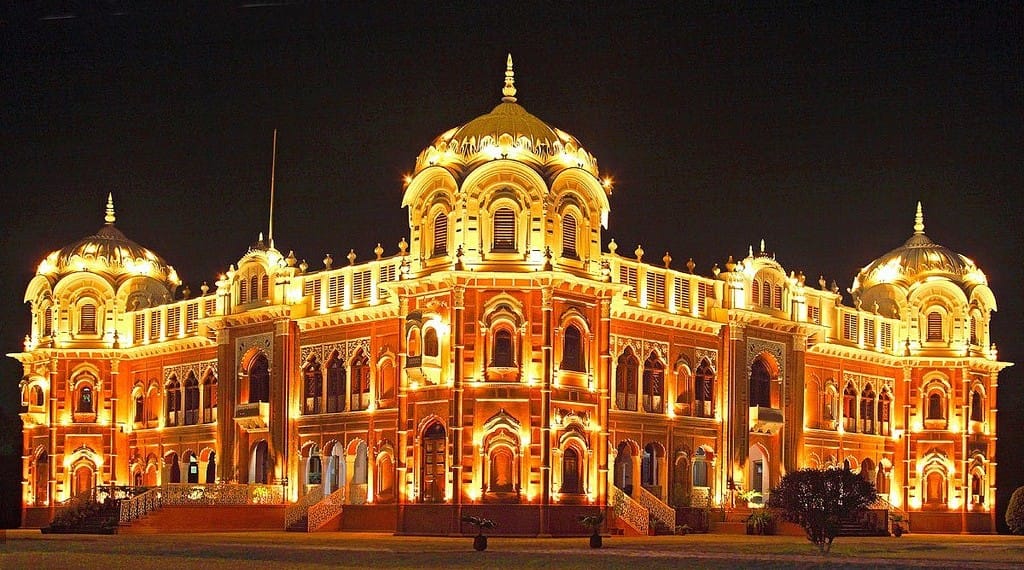







Bahawalnagar, a district in the Punjab province of Pakistan, is a place where history, culture, and natural beauty converge to offer a unique experience to its visitors. Located in the southeastern part of Punjab, Bahawalnagar shares its borders with India to the east, making it a significant region both geographically and historically. The district encompasses an area of approximately 8,878 square kilometers, with its administrative headquarters in the city of Bahawalnagar.
The history of Bahawalnagar is deeply intertwined with the history of the princely state of Bahawalpur, of which it was once a part. Bahawalpur was a princely state under British India, and Bahawalnagar was established as a district in 1904, named after Nawab Bahawal Khan V, the then ruler of Bahawalpur State. The region's historical significance is reflected in its architecture and the remnants of its past, which can still be seen today.
One of the most prominent historical landmarks in Bahawalnagar is the Derawar Fort, located in the Cholistan Desert. This fort, with its majestic and imposing structure, stands as a testament to the region's historical significance. Originally built in the 9th century by a Hindu Rajput ruler, the fort was later taken over by the Nawabs of Bahawalpur in the 18th century. The Derawar Fort, with its 40 bastions and towering walls, is an architectural marvel that attracts historians, archaeologists, and tourists alike. The fort's strategic location and its construction using bricks and stone are remarkable, providing insights into the defensive mechanisms and architectural ingenuity of the past.
In addition to its historical landmarks, Bahawalnagar is known for its vibrant culture and traditions. The district is predominantly agrarian, with agriculture being the mainstay of its economy. The fertile lands of Bahawalnagar are irrigated by the Sutlej River, one of the major rivers in Pakistan. This irrigation system supports the cultivation of various crops, including wheat, cotton, sugarcane, and rice. The agricultural practices in Bahawalnagar are deeply rooted in tradition, with many farmers using age-old techniques alongside modern methods to enhance productivity.
The cultural fabric of Bahawalnagar is enriched by its diverse population, comprising various ethnic and linguistic groups. The majority of the people in Bahawalnagar speak Punjabi, while Urdu, the national language of Pakistan, is also widely understood and spoken. The cultural heritage of Bahawalnagar is reflected in its folk music, dance, and festivals. The region's folk music, characterized by instruments such as the dhol, tabla, and harmonium, is an integral part of its cultural identity. Traditional dances like bhangra and luddi are performed during festivals and celebrations, showcasing the region's vibrant and lively spirit.
The local cuisine of Bahawalnagar is another aspect that adds to its cultural richness. The food in this region is a delightful blend of traditional Punjabi flavors with a touch of Bahawalpur's culinary influences. Some popular dishes include saag (a spinach-based dish), makki di roti (cornbread), and various meat-based curries. The use of spices and herbs in the local cuisine enhances the flavors, making the food both aromatic and delicious. Sweets like gajar ka halwa (carrot pudding) and gulab jamun are also enjoyed by the locals and visitors alike.
Bahawalnagar's natural beauty is complemented by its parks and recreational spots, which provide a serene escape from the hustle and bustle of daily life. The district is home to several parks, including the Farid Park, which is a popular destination for families and nature enthusiasts. The park's lush greenery, well-maintained gardens, and walking trails offer a peaceful environment for relaxation and leisure activities. Another notable spot is the Sutlej River, which not only supports agriculture but also offers scenic views and opportunities for boating and picnicking.
The district's educational infrastructure has been gradually developing, with numerous schools, colleges, and vocational institutes catering to the educational needs of the local population. Government initiatives and private sector involvement have played a crucial role in improving the quality of education in the region. The emphasis on education is evident in the increasing number of students pursuing higher education and vocational training, which in turn contributes to the socio-economic development of Bahawalnagar.
The healthcare facilities in Bahawalnagar have also seen significant improvements over the years. The district has several hospitals, clinics, and healthcare centers that provide medical services to the residents. Both government and private healthcare institutions operate in the region, ensuring that the population has access to essential medical care. Public health campaigns and initiatives aimed at improving sanitation, vaccination coverage, and maternal and child health have further contributed to the overall well-being of the community.
Bahawalnagar's economy, while primarily based on agriculture, also includes other sectors such as trade, manufacturing, and services. The local markets in Bahawalnagar are bustling with activity, offering a variety of goods ranging from agricultural produce to textiles and handicrafts. The region's artisans are known for their craftsmanship, particularly in weaving, pottery, and embroidery. These traditional crafts not only provide livelihood opportunities for the locals but also preserve the cultural heritage of the region.
The district's connectivity and transportation infrastructure are essential for its economic activities. Bahawalnagar is well-connected by road to major cities in Punjab and other parts of Pakistan. The road network facilitates the movement of goods and people, supporting trade and commerce. The district also has a railway station, which further enhances its connectivity and accessibility.
Bahawalnagar's strategic location near the border with India adds to its geopolitical significance. The district has several border villages, and the presence of border security forces ensures the safety and security of the region. The cultural and economic exchanges across the border, despite the political tensions, reflect the interconnectedness of the communities living on both sides.
The people of Bahawalnagar are known for their hospitality and warmth. The sense of community and mutual support is evident in their daily interactions and social gatherings. Festivals and religious celebrations, such as Eid, Diwali, and Baisakhi, are celebrated with great enthusiasm and joy, bringing together people from different backgrounds.
In conclusion, Bahawalnagar is a district that embodies the rich history, cultural diversity, and natural beauty of Punjab, Pakistan. Its historical landmarks, vibrant culture, agricultural prowess, and warm hospitality make it a unique and fascinating destination. Whether you are exploring its ancient forts, savoring its local cuisine, or experiencing its cultural festivities, Bahawalnagar offers a glimpse into the heart of Punjab and the resilient spirit of its people. The district's continuous development in education, healthcare, and infrastructure, coupled with its strong cultural roots, positions it as a region with immense potential and enduring charm.
Just follow us on social media, where stories unfold,
Stay with us for moments worth their weight in gold.


SCAN ME
