



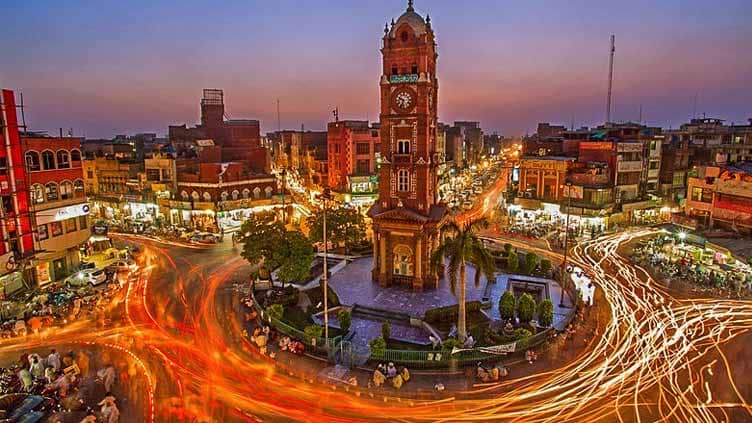







Faisalabad, often referred to as the "Manchester of Pakistan," is a vibrant city that stands as a testament to the country's industrial prowess and cultural richness. Located in the Punjab province, Faisalabad is the third-largest city in Pakistan, renowned for its significant contribution to the textile industry. Its roots trace back to 1892 when it was established as Lyallpur, named after Sir James Lyall, the then Lieutenant Governor of the Punjab. Over the years, the city has transformed from a modest agricultural town into a bustling industrial hub, reflecting Pakistan's journey towards modernization and economic development.
The city's landscape is a blend of old-world charm and contemporary dynamism. Faisalabad's central clock tower, known as Ghanta Ghar, is a symbol of the city's historical heritage. Surrounding this iconic structure is a bustling market, organized in a unique octagonal layout that represents the Union Jack, a remnant of British colonial influence. This area, often referred to as the eight bazaars, is the heart of commercial activity, where traditional and modern shops coexist, offering a wide range of goods from textiles and clothing to electronics and handicrafts.
Faisalabad's economic backbone is its robust textile industry, which accounts for a significant portion of Pakistan's textile exports. The city houses numerous textile mills, weaving units, and garment factories, making it a critical player in the global textile market. The textile sector has not only propelled Faisalabad's economy but has also provided employment opportunities to thousands of workers, fostering economic growth and stability in the region. The presence of industrial zones and export processing zones further underscores the city's importance as an industrial powerhouse.
The city's industrial success is complemented by its agricultural productivity. Faisalabad is situated in the fertile plains of Punjab, benefiting from an extensive canal irrigation system. The surrounding areas are known for producing a variety of crops, including wheat, sugarcane, and cotton, which are vital to both the local and national economy. The integration of agriculture and industry has created a symbiotic relationship, where raw materials from the agricultural sector feed the manufacturing processes of the textile industry, creating a seamless economic ecosystem.
Education and research also play a pivotal role in Faisalabad's development. The city is home to several prestigious educational institutions, including the University of Agriculture, Faisalabad (UAF), which is one of the leading agricultural research centers in Pakistan. The university has been instrumental in advancing agricultural practices and technologies, contributing to the overall productivity and sustainability of the agricultural sector. Other notable institutions, such as the National Textile University and the Government College University, Faisalabad, offer specialized programs that cater to the needs of the city's industrial and commercial sectors.
Cultural heritage is deeply embedded in Faisalabad's identity. The city is a melting pot of diverse traditions and customs, reflecting the rich cultural tapestry of Punjab. Festivals such as Eid, Basant, and various harvest celebrations are marked with enthusiasm and vibrancy, showcasing the community's spirit and unity. Traditional music, dance, and cuisine are integral parts of these celebrations, providing a glimpse into the region's cultural heritage. The local cuisine, with its rich and flavorful dishes, is a testament to the culinary expertise of the region. Delicacies such as biryani, samosas, and various types of kebabs are popular among locals and visitors alike.
Faisalabad's urban development has been characterized by rapid expansion and modernization. The cityscape is dotted with modern infrastructure, including shopping malls, hotels, and recreational facilities. The establishment of new housing societies and commercial areas has transformed the urban landscape, catering to the needs of a growing population. Despite these developments, Faisalabad has managed to retain its traditional charm, with many historical sites and old markets still thriving amidst modernity.
Transportation infrastructure in Faisalabad is well-developed, facilitating seamless connectivity within the city and to other parts of the country. The city is served by a network of roads, highways, and railways, making it easily accessible for trade and commerce. The Faisalabad International Airport connects the city to major domestic and international destinations, further enhancing its role as a commercial hub. Public transportation options, including buses and rickshaws, provide convenient and affordable mobility for residents and visitors.
The people of Faisalabad are known for their resilience and entrepreneurial spirit. The city's entrepreneurial culture is evident in the numerous small and medium-sized enterprises that operate alongside large industrial units. This diverse economic landscape fosters innovation and competitiveness, contributing to the city's economic vitality. Community engagement and social cohesion are also strong, with various civic organizations and NGOs working towards the welfare and development of the local population.
Environmental sustainability is becoming an increasingly important focus for Faisalabad. The city faces challenges related to industrial pollution and urban sprawl, which have implications for public health and quality of life. Efforts are being made to address these issues through initiatives aimed at improving waste management, enhancing green spaces, and promoting sustainable industrial practices. The involvement of academic institutions and research centers in these efforts underscores the city's commitment to creating a sustainable and livable environment for future generations.
In summary, Faisalabad is a city of contrasts and opportunities, where tradition meets modernity, and agriculture intersects with industry. Its rich history, cultural diversity, and economic dynamism make it a unique and integral part of Pakistan's national fabric. As Faisalabad continues to grow and evolve, it remains a testament to the enduring spirit and resilience of its people, who have transformed it into a beacon of progress and prosperity.
Just follow us on social media, where stories unfold,
Stay with us for moments worth their weight in gold.


SCAN ME
