



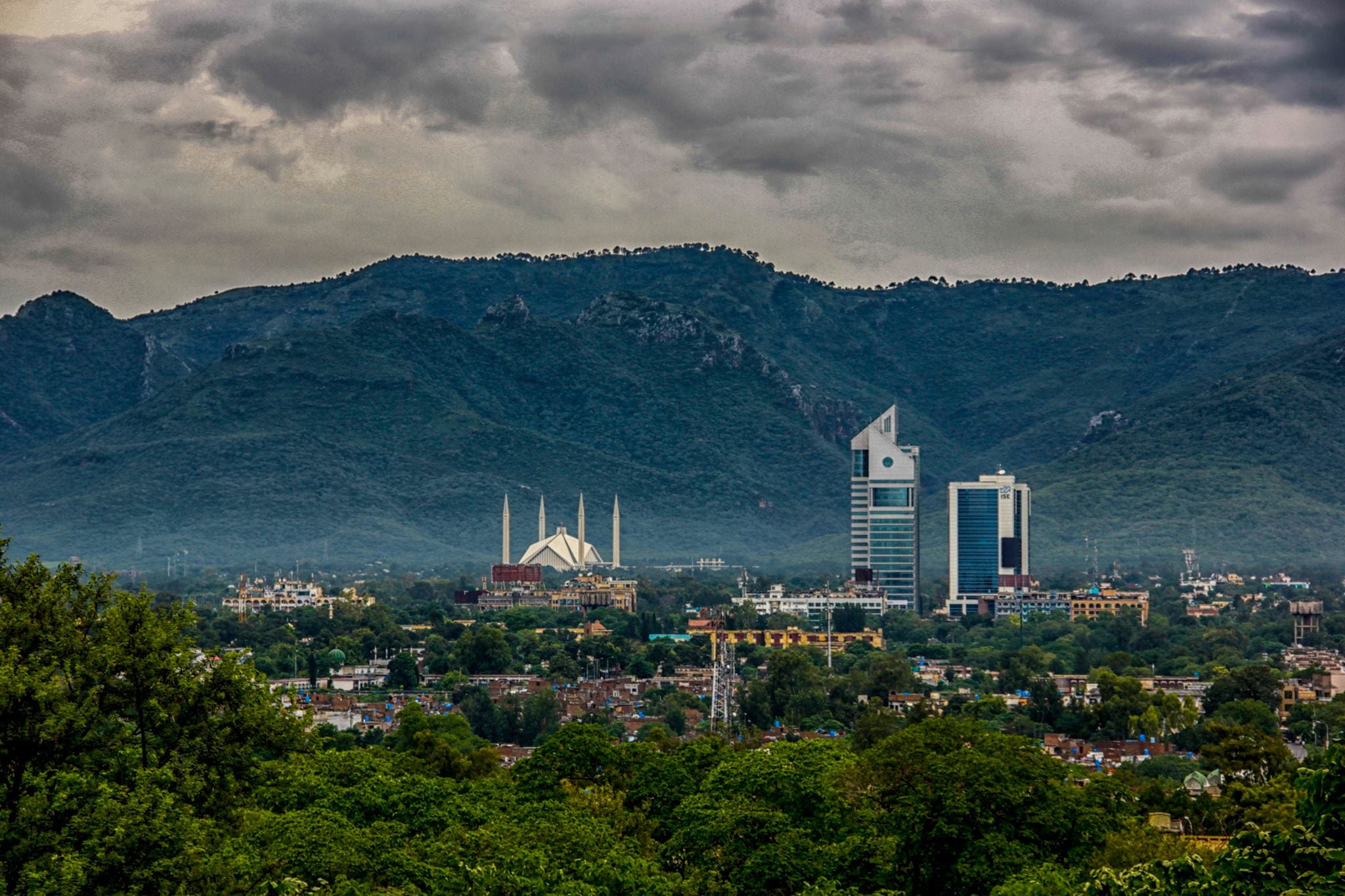







Islamabad, the capital city of Pakistan, is a testament to the country's ambition and modernity. Nestled against the backdrop of the Margalla Hills, Islamabad stands as a meticulously planned city, characterized by its lush greenery, wide boulevards, and a tranquil ambiance. It is a city that merges the old with the new, offering a unique blend of cultural heritage and contemporary development.
Established in the 1960s to replace Karachi as the capital, Islamabad was designed by Greek architect and town planner Constantinos Apostolou Doxiadis. The city’s layout reflects a grid system, divided into eight zones, including residential, administrative, diplomatic enclave, commercial areas, and educational sectors. This systematic planning ensures a balanced distribution of population and resources, contributing to the city's orderly and serene environment.
Islamabad is not just an administrative hub; it is also a city of natural beauty. The Margalla Hills National Park provides a picturesque setting and a variety of recreational activities for residents and visitors. Hiking trails such as the Daman-e-Koh and Pir Sohawa offer breathtaking views of the city and are popular spots for picnics and outdoor activities. The lush greenery and abundant flora and fauna in these areas make Islamabad an oasis of tranquility.
The Faisal Mosque, an iconic symbol of Islamabad, is one of the largest mosques in the world. Its unique contemporary design, created by Turkish architect Vedat Dalokay, resembles a Bedouin tent and stands in stark contrast to traditional mosque architecture. The mosque's white marble facade and striking minarets dominate the city's skyline, making it a focal point for both worshippers and tourists. The Faisal Mosque is not only a place of worship but also a cultural landmark that hosts numerous events and gatherings.
Islamabad's cultural and educational landscape is enriched by institutions such as the Pakistan Monument Museum, Lok Virsa Museum, and the National Art Gallery. These institutions preserve and showcase the diverse cultural heritage of Pakistan, offering insights into the country's history, art, and traditions. The Pakistan Monument, in particular, is a symbol of national unity, with its petal-shaped structure representing the four provinces and three territories of Pakistan.
The city is home to several prestigious educational institutions, including Quaid-i-Azam University, which is renowned for its research and academic excellence. The presence of international schools and universities attracts students from across the country and beyond, fostering a diverse and dynamic academic environment.
Islamabad’s diplomatic enclave houses numerous embassies and international organizations, reflecting its status as a significant political and diplomatic center. This concentration of foreign missions contributes to the city's cosmopolitan atmosphere, with diplomats and expatriates adding to the cultural diversity.
Despite its modern infrastructure and amenities, Islamabad retains a sense of traditional Pakistani culture. Local markets, such as the Sunday Bazaar and Jinnah Super Market, are bustling with activity, offering a wide range of goods from fresh produce to handicrafts. These markets provide a glimpse into the daily lives of the city's residents and are a testament to the vibrant local economy.
Islamabad’s culinary scene is diverse and caters to a variety of tastes. From traditional Pakistani cuisine to international delicacies, the city offers an array of dining options. Popular food streets and eateries, such as Melody Food Park and Monal Restaurant, provide not only delicious food but also stunning views of the city and the surrounding hills.
The city’s infrastructure is continually evolving, with significant investments in transportation and housing. The Islamabad Expressway and the Metro Bus service have improved connectivity within the city and to neighboring areas, facilitating ease of movement for commuters. Residential developments, such as Bahria Town and DHA, offer modern living spaces equipped with state-of-the-art facilities.
Islamabad’s commitment to sustainability and environmental preservation is evident in its numerous parks and green spaces. The city's planners have prioritized the inclusion of green belts and recreational areas, ensuring a healthy and aesthetically pleasing environment. The Rawal Lake, a major reservoir in the city, serves as a popular spot for boating and picnics, further enhancing Islamabad’s appeal as a city close to nature.
The city's healthcare facilities are among the best in the country, with hospitals such as Pakistan Institute of Medical Sciences (PIMS) and Shifa International Hospital providing high-quality medical care. These institutions are equipped with modern technology and staffed by skilled professionals, ensuring that residents have access to comprehensive healthcare services.
Islamabad is also a hub for technology and innovation. The establishment of the National Incubation Center and the presence of tech companies and startups contribute to a growing ecosystem of innovation and entrepreneurship. This focus on technology and business development positions Islamabad as a key player in Pakistan's economic growth.
The city's festivals and cultural events, such as the Islamabad Literature Festival and the Pakistan National Council of the Arts (PNCA) performances, highlight its vibrant cultural scene. These events attract artists, writers, and performers from across the country and abroad, fostering a spirit of creativity and cultural exchange.
Islamabad’s strategic location also makes it a gateway to northern Pakistan. The city serves as a starting point for tourists heading to the scenic valleys of Murree, Nathiagali, and beyond. Its proximity to the Himalayas and the Karakoram Range makes it an ideal base for adventure enthusiasts and nature lovers.
In conclusion, Islamabad is a city that harmoniously blends modernity with tradition, offering a high quality of life amidst a backdrop of natural beauty. Its well-planned infrastructure, cultural richness, and commitment to sustainability make it a unique and attractive destination for residents and visitors alike. As the capital of Pakistan, Islamabad continues to evolve, reflecting the aspirations of a nation poised for progress and development.
Just follow us on social media, where stories unfold,
Stay with us for moments worth their weight in gold.


SCAN ME
