



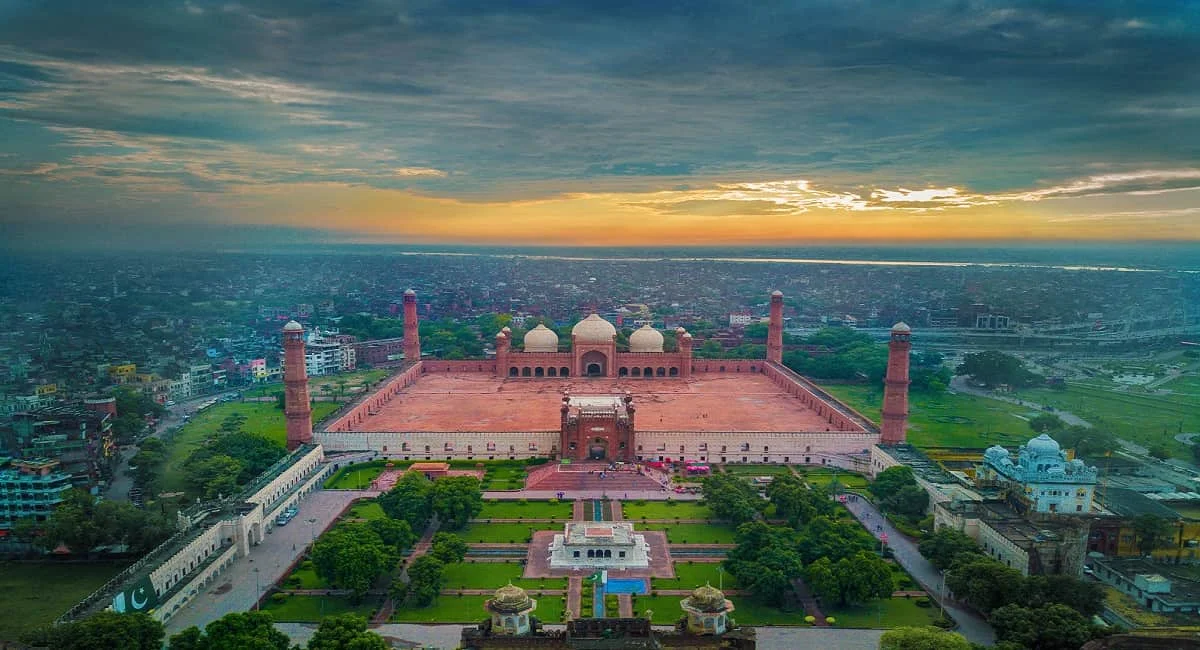







Lahore, the capital city of the Punjab province in Pakistan, is often referred to as the heart of the country due to its rich cultural heritage, historical significance, and vibrant lifestyle. The city is the second-largest in Pakistan and serves as a major center for education, commerce, and tourism.
Lahore's history dates back thousands of years, with its origins often linked to the legendary prince Lava, the son of the Hindu god Rama. Over centuries, Lahore has been a prominent center for various empires, including the Ghaznavids, Ghurids, Mughals, Sikhs, and the British. Each era has left an indelible mark on the city, contributing to its diverse architectural landscape and cultural fabric.
The Mughal era, in particular, is considered the golden age of Lahore. Under the Mughal Empire, Lahore flourished as a center of art, culture, and learning. The Mughal emperors, especially Akbar, Jahangir, and Shah Jahan, contributed significantly to the city's development. They constructed magnificent buildings, gardens, and forts, many of which still stand today as a testament to their grandeur. The Lahore Fort and the Shalimar Gardens are prime examples of Mughal architecture and have been recognized as UNESCO World Heritage Sites.
The Lahore Fort, also known as Shahi Qila, is a sprawling complex that has been the seat of power for various rulers. It showcases a blend of Islamic, Persian, and Indian architectural styles. The fort contains several palaces, halls, and mosques, with the Sheesh Mahal (Palace of Mirrors) being one of the most famous structures. The intricate mirror work and elaborate frescoes of the Sheesh Mahal are a marvel to behold.
Adjacent to the Lahore Fort is the Badshahi Mosque, one of the largest mosques in the world. Constructed by Emperor Aurangzeb in 1673, the mosque is an architectural masterpiece with its red sandstone and white marble structure. The vast courtyard can accommodate over 55,000 worshippers, making it a significant religious site for Muslims.
Lahore's rich cultural heritage is also evident in its numerous gardens and parks. The Shalimar Gardens, built by Emperor Shah Jahan in 1641, are a fine example of Mughal garden design. The gardens are laid out in a classical Persian style, with terraces, fountains, and marble pavilions. The tranquility and beauty of the Shalimar Gardens offer a serene escape from the bustling city life.
Another prominent garden is the Lawrence Gardens, now known as Bagh-e-Jinnah. This botanical garden, established during the British colonial period, covers an area of 141 acres and houses a diverse collection of plants and trees. The garden also features a cricket ground, a library, and several historical statues.
Lahore's vibrant culture is reflected in its bustling bazaars and markets. Anarkali Bazaar, one of the oldest markets in South Asia, is a maze of narrow alleys filled with shops selling a variety of goods, from traditional garments and jewelry to spices and handicrafts. The bazaar is named after Anarkali, a legendary courtesan, and is a popular shopping destination for both locals and tourists.
The Liberty Market and Mall Road are other prominent shopping areas in Lahore. Liberty Market is known for its trendy boutiques, eateries, and modern retail stores, while Mall Road is lined with colonial-era buildings, offering a mix of history and modernity. These markets reflect the dynamic and ever-evolving nature of Lahore's urban landscape.
Lahore is also renowned for its culinary delights. The city is a food lover's paradise, offering a wide range of traditional Pakistani dishes as well as international cuisine. The Food Street in the Gawalmandi area is famous for its delectable street food, including Lahori specialties like nihari, paya, and halwa puri. The aroma of spices and the sizzle of kebabs create an irresistible atmosphere, drawing food enthusiasts from all over.
The cultural scene in Lahore is vibrant and diverse, with numerous festivals and events taking place throughout the year. The Lahore Literary Festival, held annually, attracts writers, poets, and intellectuals from around the world to discuss literature, art, and culture. The festival is a celebration of Lahore's literary heritage and its contemporary relevance.
The Basant festival, celebrated in spring, is another major event in Lahore. Known as the festival of kites, Basant sees the skies of Lahore filled with colorful kites as people gather on rooftops to participate in kite-flying competitions. The festival is accompanied by music, dance, and traditional foods, creating a joyous and festive atmosphere.
Lahore is home to several prestigious educational institutions, including the University of the Punjab, Lahore University of Management Sciences (LUMS), and Government College University (GCU). These institutions have produced numerous scholars, scientists, and leaders who have contributed significantly to Pakistan's development.
The city's architecture is a blend of historical and modern styles. Colonial-era buildings, such as the Lahore Museum and the General Post Office, showcase British architectural influence. The Lahore Museum, in particular, is a treasure trove of historical artifacts, including Gandharan sculptures, Islamic art, and Mughal miniature paintings.
Modern Lahore is marked by its rapidly growing infrastructure and skyline. The construction of high-rise buildings, shopping malls, and residential complexes reflects the city's economic growth and urbanization. The Allama Iqbal International Airport, one of the busiest airports in Pakistan, connects Lahore to major cities around the world, facilitating tourism and trade.
Despite its modernization, Lahore has retained its cultural charm and historical significance. The city's residents, known for their hospitality and warmth, take pride in their heritage and traditions. The lively streets, bustling markets, and historical landmarks make Lahore a city that offers a unique blend of the past and the present.
In recent years, Lahore has also emerged as a hub for technology and innovation. The establishment of technology parks and incubators has fostered a growing community of entrepreneurs and startups. The city's youthful energy and creative spirit are evident in its thriving arts and entertainment scene, with numerous theaters, galleries, and music venues.
The Lahore Arts Council, also known as Alhamra, plays a pivotal role in promoting cultural activities and artistic expression. Alhamra hosts a variety of events, including theater performances, music concerts, art exhibitions, and literary gatherings. It serves as a cultural hub, nurturing local talent and providing a platform for artists to showcase their work.
In conclusion, Lahore is a city of contrasts and continuities, where ancient history and modern development coexist harmoniously. Its rich cultural heritage, architectural splendor, culinary delights, and vibrant lifestyle make it a unique and captivating destination. Whether you are exploring its historical landmarks, savoring its diverse cuisine, or engaging with its dynamic cultural scene, Lahore offers an experience that is both enriching and unforgettable.
Just follow us on social media, where stories unfold,
Stay with us for moments worth their weight in gold.


SCAN ME
