



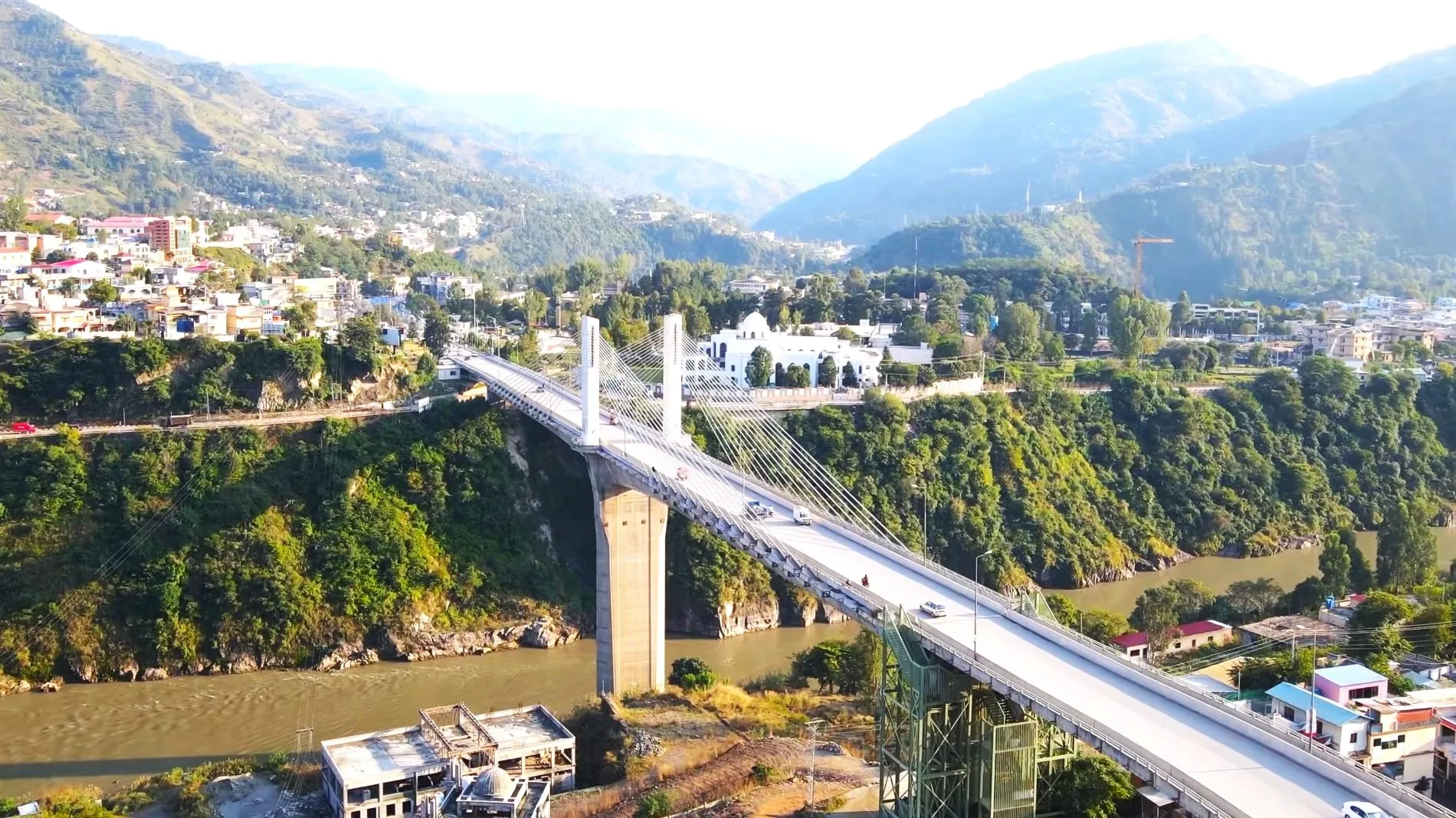







Muzaffarabad, the capital of Azad Jammu and Kashmir in Pakistan, is a city that epitomizes natural beauty, historical significance, and cultural richness. Nestled at the confluence of the Jhelum and Neelum rivers, Muzaffarabad is surrounded by majestic mountains and lush valleys, making it a picturesque destination.
The city of Muzaffarabad has a rich history that dates back centuries. It has been a significant center of various civilizations, including the ancient Indus Valley Civilization and later, the Muslim rulers who left a profound cultural impact. The city’s name is derived from Sultan Muzaffar Khan, a prominent ruler during the 17th century, who established the city as a fortified stronghold. Over the years, Muzaffarabad has witnessed numerous historical events and has been a pivotal location in the geopolitics of the region.
Muzaffarabad's economy is diverse, with agriculture, tourism, and trade being the primary contributors. The fertile valleys surrounding the city are ideal for cultivating crops such as maize, wheat, and various fruits, contributing significantly to the local economy. Additionally, the city's strategic location as a gateway to the stunning Neelum Valley makes it a vital hub for tourism. Visitors from around the world are drawn to Muzaffarabad for its scenic beauty, trekking opportunities, and historical sites, including the famous Red Fort and Pir Chinasi.
Culturally, Muzaffarabad is a melting pot of various ethnicities and traditions. The city is home to a diverse population that includes Kashmiris, Punjabis, and Pashtuns, among others. This diversity is reflected in the city's vibrant festivals, traditional music, dance, and cuisine. Festivals such as Eid, Basant, and the annual Urs at local shrines are celebrated with great enthusiasm, showcasing the city's rich cultural tapestry.
Despite its many strengths, Muzaffarabad faces challenges such as infrastructure development, healthcare, and education. The devastating earthquake of 2005 significantly impacted the city, leading to substantial reconstruction efforts. Since then, the government, along with various international organizations, has been working to rebuild and modernize the city’s infrastructure. Efforts are also underway to improve healthcare facilities and educational institutions to ensure a better quality of life for the residents.
In conclusion, Muzaffarabad is a city that harmoniously blends natural beauty, historical depth, and cultural diversity. Its scenic landscapes, historical landmarks, and vibrant culture make it a unique and dynamic city in Azad Jammu and Kashmir. As Muzaffarabad continues to rebuild and develop, it stands as a symbol of resilience and progress, offering hope and pride to its residents and contributing to the rich cultural and geographical landscape of Pakistan.
Just follow us on social media, where stories unfold,
Stay with us for moments worth their weight in gold.


SCAN ME
