



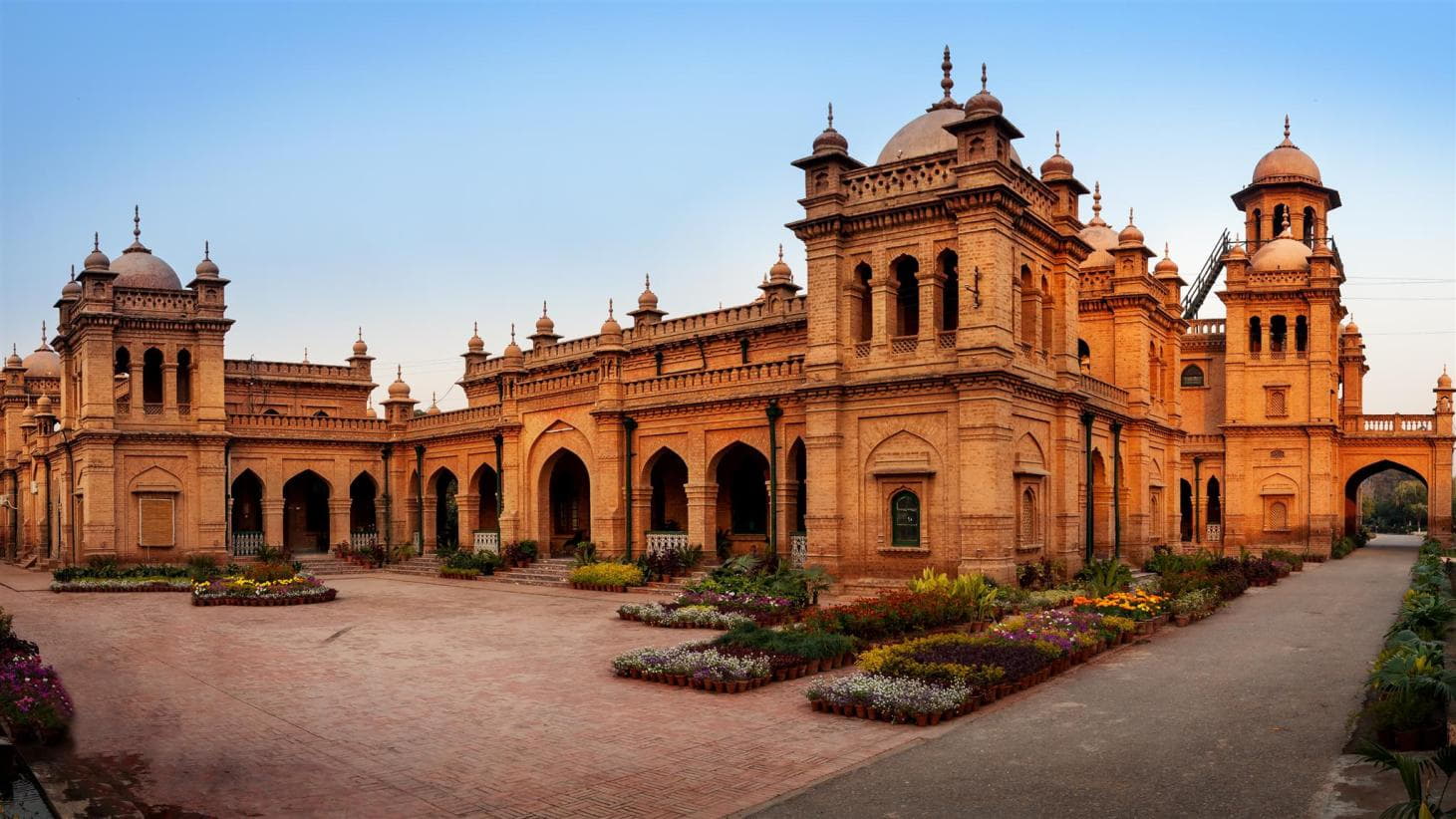







Peshawar, often referred to as the "Gateway to the Khyber Pass," is a historic city located in the Khyber Pakhtunkhwa province of Pakistan. Nestled at the western edge of the country, Peshawar holds a strategic position that has made it a focal point of trade, culture, and conquest throughout history.
The history of Peshawar dates back thousands of years, with evidence of human settlement in the region dating as far back as the Stone Age. Over the centuries, Peshawar has been inhabited by various civilizations, including the ancient Gandhara civilization, which left behind a rich legacy of art, architecture, and Buddhist relics. The city later became a prominent center of the Persian Empire, followed by the Kushan, Hindu Shahi, and Ghaznavid dynasties, each leaving their mark on its cultural landscape.
One of the most enduring features of Peshawar is its status as a melting pot of cultures, shaped by the diverse peoples who have called it home over the centuries. The city's location at the crossroads of Central Asia, South Asia, and the Middle East has made it a hub of trade and commerce, fostering a vibrant exchange of ideas, languages, and traditions. Today, Peshawar is home to a diverse population that includes Pashtuns, Punjabis, Sindhis, and people from various other ethnic backgrounds, each contributing to the city's rich tapestry of culture and heritage.
Peshawar's strategic location has also made it a coveted prize for conquerors throughout history. The city has been repeatedly conquered and ruled by various empires, including the Persian, Greek, Mauryan, and Mughal empires, as well as the British Empire during the colonial era. These periods of conquest have left behind a wealth of architectural treasures, including ancient forts, palaces, mosques, and bazaars, which serve as reminders of Peshawar's illustrious past.
The city's cultural heritage is perhaps most evident in its bazaars, which are bustling centers of trade and commerce, where merchants sell everything from spices and textiles to handicrafts and antiques. The Qissa Khwani Bazaar, or "Street of Storytellers," is one of Peshawar's most famous bazaars, known for its lively atmosphere and rich history as a gathering place for poets, writers, and intellectuals. Other notable bazaars include the Chowk Yadgar, Khyber Bazaar, and Namak Mandi, each offering a unique glimpse into Peshawar's vibrant street life and commercial activity.
Despite its rich history and cultural significance, Peshawar has faced numerous challenges in recent decades, including political instability, terrorism, and socio-economic disparities. However, the city's resilient spirit and sense of community have helped it weather these challenges, emerging stronger and more determined than ever to build a brighter future for its residents.
In recent years, Peshawar has undergone significant development and modernization, with improvements to infrastructure, healthcare, education, and tourism. Efforts to preserve and promote the city's cultural heritage have also been prioritized, with initiatives to restore historic landmarks, promote traditional crafts, and celebrate local festivals and customs.
In conclusion, Peshawar is a city steeped in history, culture, and tradition, whose story is as old as civilization itself. From its ancient origins as a center of commerce and culture to its modern-day role as a vibrant metropolis, Peshawar continues to captivate the imagination and inspire awe with its timeless allure. Whether you are a historian tracing the footsteps of ancient conquerors, a traveler exploring the city's bustling bazaars, or a resident proud to call Peshawar home, one thing is certain: Peshawar is a city like no other, whose rich tapestry of culture and heritage is as diverse and vibrant as the people who inhabit it.
Just follow us on social media, where stories unfold,
Stay with us for moments worth their weight in gold.


SCAN ME
