



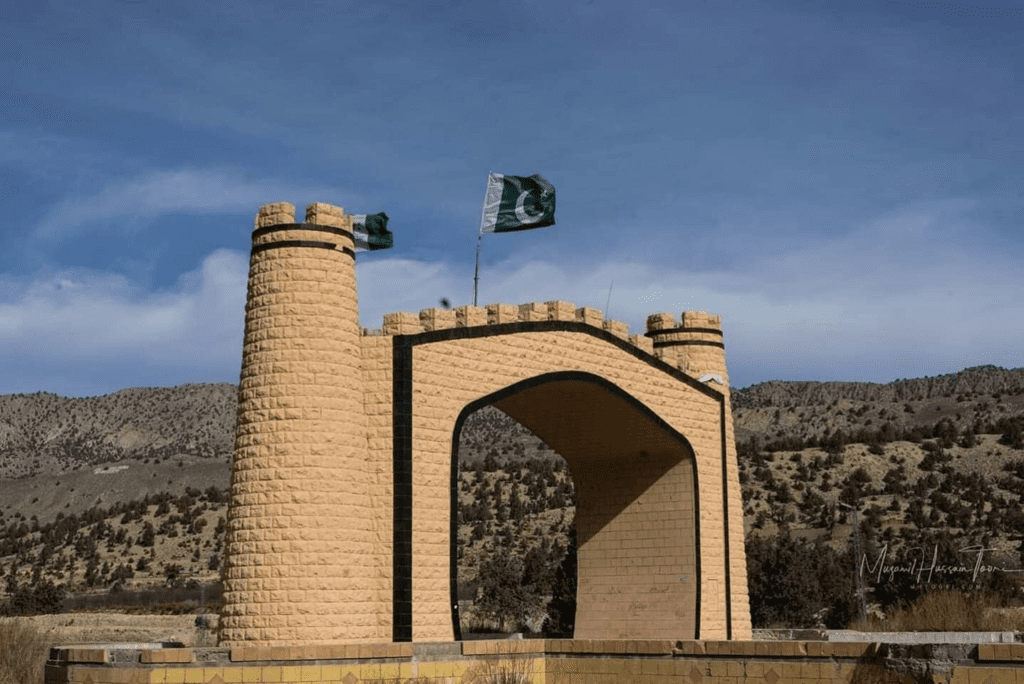







Quetta, the capital city of Balochistan province in Pakistan, is a place of rugged beauty, rich culture, and a unique blend of ethnic diversity. Nestled at the foot of the majestic Chiltan Mountains, Quetta's landscape is characterized by dramatic mountain ranges, fertile valleys, and arid deserts.
The city's name is believed to derive from the Pashto word "Kwatkot," meaning "fortress," reflecting its strategic location as a gateway to Central Asia and the Middle East. Throughout its history, Quetta has served as a crossroads for trade, commerce, and cultural exchange, attracting settlers and conquerors from diverse ethnic backgrounds.
One of Quetta's most iconic landmarks is the Quaid-e-Azam Residency, a colonial-era building that served as the residence of Pakistan's founder, Muhammad Ali Jinnah, during his visits to the region. The residency, with its distinctive architectural style and beautiful gardens, stands as a testament to Quetta's historical significance and its role in the struggle for independence.
Quetta is also known for its vibrant bazaars, where traders from across the region gather to buy and sell a wide range of goods, from spices and textiles to handicrafts and carpets. The city's bustling markets, such as Liaquat Bazaar and Kandahari Bazaar, offer a glimpse into the bustling commercial activity that has been a hallmark of Quetta for centuries.
Culturally, Quetta is a melting pot of ethnic diversity, with Pashtuns, Baloch, Hazaras, and other ethnic groups coexisting harmoniously. Each community contributes to the city's rich cultural tapestry, evident in its music, dance, cuisine, and festivals. The Pashto and Balochi languages are widely spoken, reflecting the city's multicultural heritage.
Quetta's economy is primarily based on agriculture, with the surrounding valleys and plains supporting the cultivation of fruits, vegetables, and grains. The city is famous for its delicious fruits, particularly apples and grapes, which are grown in abundance in the nearby orchards. In addition to agriculture, Quetta is also home to small-scale industries, such as textiles, handicrafts, and marble mining, which contribute to the local economy.
Despite its natural beauty and cultural richness, Quetta faces several challenges, including poverty, unemployment, and security concerns. The region has been affected by conflict and instability in recent years, particularly along the border with Afghanistan, which has had a significant impact on the city's development and prosperity.
Efforts are underway to address these challenges and promote sustainable development in Quetta and the wider Balochistan region. Initiatives focusing on infrastructure improvement, education, healthcare, and economic diversification aim to create opportunities for growth and prosperity, ensuring that Quetta remains a vibrant and thriving city for generations to come.
In conclusion, Quetta is a city of contrasts, where rugged mountains meet fertile valleys, and ancient traditions coexist with modernity. Its rich cultural heritage, ethnic diversity, and natural beauty make it a unique destination for travelers and a source of pride for its residents. Despite the challenges it faces, Quetta continues to inspire with its resilience, spirit, and sense of community, embodying the timeless allure of Balochistan's rugged landscapes and vibrant culture.
Just follow us on social media, where stories unfold,
Stay with us for moments worth their weight in gold.


SCAN ME
