



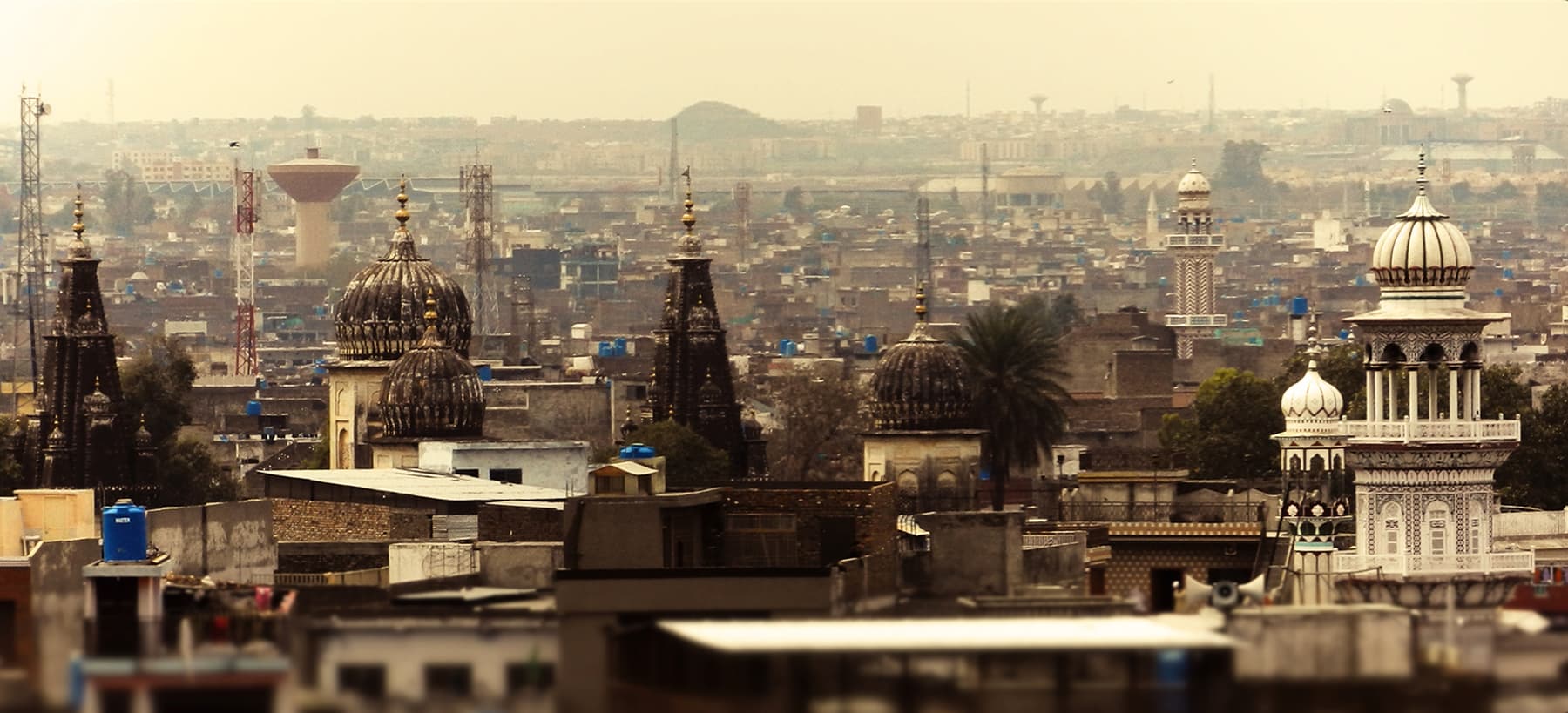







Rawalpindi, situated in Pakistan's Punjab province, is a city with a deeply rooted and varied history. It has been a significant settlement for thousands of years, initially part of the ancient Gandhara civilization around 1000 BCE. This period saw the region flourish culturally and economically. In the 3rd century BCE, under the Maurya Empire led by Ashoka, Buddhism was introduced, further enriching its historical tapestry.
The medieval period marked a significant era for Rawalpindi when it fell under Muslim rule following Mahmud of Ghazni's conquest in the 11th century. The city's strategic importance was recognized during the Mughal era, as it became a key trade and cultural center due to its proximity to the Khyber Pass. This location made it a crucial point for trade routes and military movements.
In 1849, the British annexed Rawalpindi after the Second Anglo-Sikh War, transforming it into a major garrison town. It served as the headquarters of the British Army in India, cementing its status as a critical military hub. The city's infrastructure and administrative significance grew during this period, laying the groundwork for its future development.
Following the partition of India in 1947, Rawalpindi became part of the newly formed Pakistan. This era brought significant demographic shifts, as many Hindus and Sikhs migrated to India while Muslims from India settled in Rawalpindi. In the 1960s, Rawalpindi was designated as the twin city to Islamabad, Pakistan's new capital. This partnership accelerated its development, integrating modern infrastructure with its historical landscape.
Today, Rawalpindi is a vibrant economic hub, renowned for its bustling traditional markets like Raja Bazaar, educational institutions, and healthcare facilities. The city maintains its rich cultural heritage through landmarks such as the Rawalpindi Cricket Stadium and various historical sites. Rawalpindi's blend of ancient history and modern growth makes it a unique and dynamic city, reflecting the diverse narrative of Pakistan's historical and contemporary evolution.
Just follow us on social media, where stories unfold,
Stay with us for moments worth their weight in gold.


SCAN ME
