










Sheikhupura, located in the Punjab province of Pakistan, is a city steeped in history, culture, and economic significance. Named after the Mughal Emperor Jahangir's favorite wife, Nur Jahan, who was born in the city, Sheikhupura has evolved into a bustling urban center with a rich heritage and promising future.
The history of Sheikhupura dates back centuries, with archaeological evidence suggesting human habitation in the region since ancient times. The area has been influenced by various civilizations, including the Mughal Empire, which left a lasting legacy of architectural marvels, including palaces, forts, and gardens.
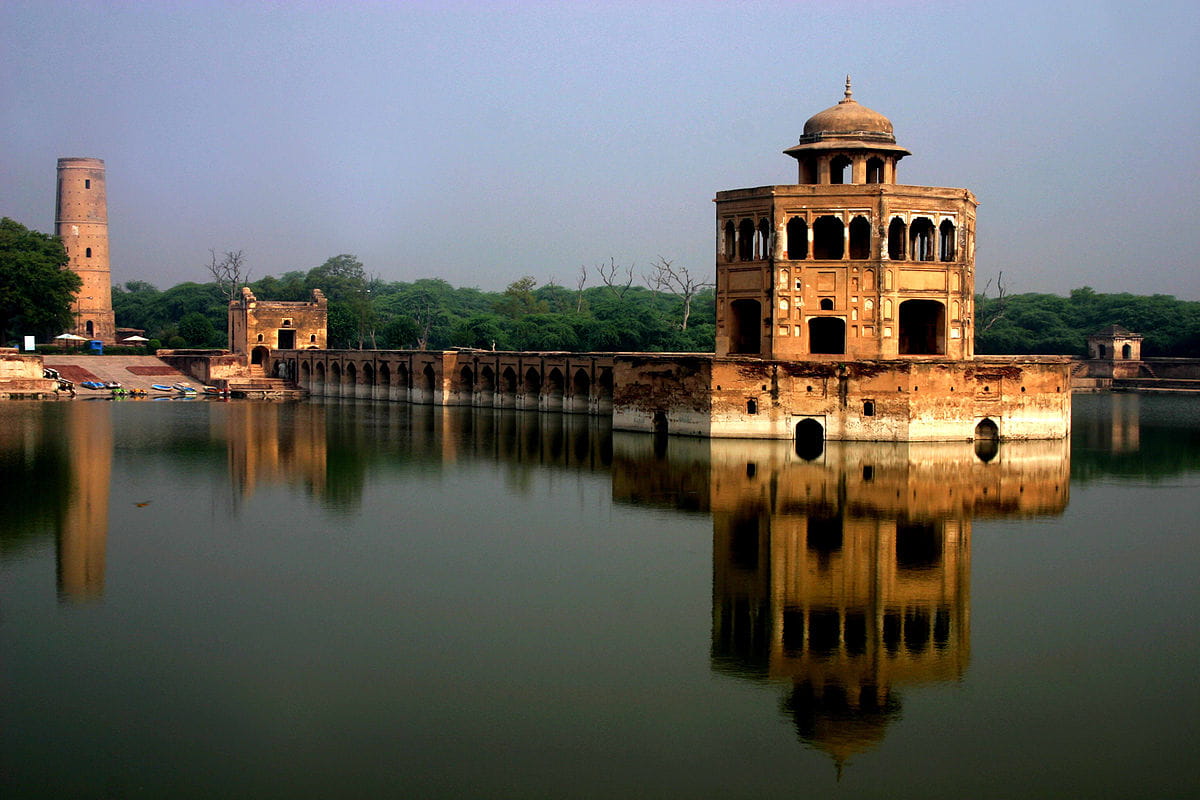
One of the most notable landmarks in Sheikhupura is the magnificent Hiran Minar, or "Deer Tower," built by Emperor Jahangir in the early 17th century. This unique structure, surrounded by a large artificial lake, served as a hunting lodge and a memorial to Jahangir's beloved pet deer, Mansraj. The Hiran Minar stands as a testament to Sheikhupura's royal heritage and architectural splendor.
Sheikhupura's economy is primarily agrarian, with agriculture being the mainstay of the local economy. The region's fertile lands along the banks of the Ravi River support the cultivation of a wide range of crops, including wheat, rice, sugarcane, and citrus fruits. The city is also known for its production of dairy products, including milk, yogurt, and butter, which are sold in markets across the country.
In addition to agriculture, Sheikhupura is also home to a variety of industries, including textiles, ceramics, and food processing. The city's industrial sector provides employment opportunities for thousands of people and contributes significantly to the local economy.
Culturally, Sheikhupura is a melting pot of diverse influences, with Punjabi, Kashmiri, and Mughal cultures coexisting harmoniously. The city's vibrant festivals, such as Eid, Basant, and Urs celebrations at the shrines of local Sufi saints, are colorful affairs that bring communities together in joyous celebration.
Despite its economic prosperity and cultural richness, Sheikhupura faces challenges such as poverty, inadequate infrastructure, and environmental degradation. Efforts are underway to address these challenges and promote sustainable development in the city, with initiatives focusing on education, healthcare, and infrastructure improvement.
In conclusion, Sheikhupura is a city of opportunity and diversity, where the legacy of the past meets the aspirations of the future. Its royal heritage, agricultural prosperity, and cultural vibrancy make it a dynamic urban center and a symbol of Pakistan's rich cultural heritage. As Sheikhupura continues to evolve and grow, it remains a beacon of hope and progress for its residents and a source of pride for the nation as a whole.
Just follow us on social media, where stories unfold,
Stay with us for moments worth their weight in gold.


SCAN ME
