



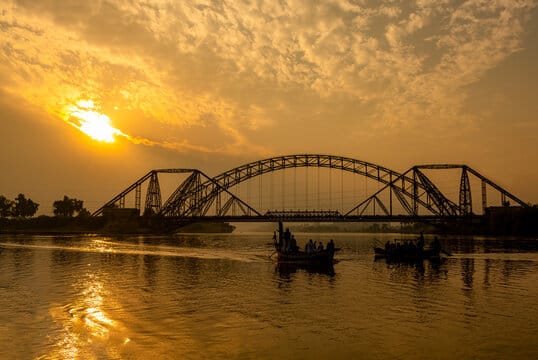







Sukkur, a city nestled along the banks of the mighty Indus River in the Sindh province of Pakistan, is a bustling center of commerce, culture, and history. Its name derives from the Sindhi word "Sakhar," meaning "superior" or "noble," reflecting its significance as a regional hub since ancient times.
One of Sukkur's most iconic landmarks is the Sukkur Barrage, a marvel of engineering that spans the Indus River and serves as a vital lifeline for agriculture in the region. Completed in 1932 during British rule, the barrage regulates the flow of water, facilitating irrigation for the fertile lands of Sindh and Punjab provinces. This engineering marvel not only sustains agricultural productivity but also provides hydroelectric power, contributing to the region's energy needs.
Sukkur's history dates back thousands of years, with evidence of human settlement from the Indus Valley Civilization found in nearby archaeological sites such as Mohenjo-Daro and Kot Diji. Over the centuries, Sukkur has been influenced by various empires and dynasties, including the Greeks, Persians, Arabs, and Mughals, each leaving their mark on the city's culture, architecture, and traditions.
The city's strategic location at the crossroads of trade routes connecting Central Asia, South Asia, and the Middle East has made it a melting pot of cultures and a thriving center of commerce. Sukkur's bustling markets, such as the Rani Bazaar and Sarafa Bazaar, offer a vibrant array of goods, from traditional handicrafts and textiles to spices, jewelry, and fresh produce. The city's economic significance is further bolstered by its river port, which facilitates trade along the Indus River and connects Sukkur to other parts of Pakistan.
Sukkur is also renowned for its culinary heritage, with a diverse array of dishes that reflect the city's multicultural influences. Sindhi cuisine, characterized by its rich flavors and aromatic spices, is a highlight, with dishes such as Sindhi Biryani, Sindhi Kadhi, and Sai Bhaji enjoyed by locals and visitors alike. The city's proximity to the river also means that fresh fish, including the famous Sindhi fish curry, is a staple of the local diet.
In addition to its economic and cultural significance, Sukkur is home to several historic landmarks and religious sites. The Sadhu Bela Temple, situated on a small island in the Indus River, is a sacred pilgrimage site for Hindus and features a complex of temples, shrines, and bathing ghats. Nearby, the Sukkur minaret, also known as the Masoom Shah Jo Minar, stands as a symbol of the city's Islamic heritage, dating back to the 16th century.
Despite its rich history and cultural heritage, Sukkur faces challenges such as poverty, inadequate infrastructure, and environmental degradation. Efforts are underway to address these issues and promote sustainable development, with initiatives focusing on education, healthcare, and infrastructure improvement.
In conclusion, Sukkur is a city of contrasts, where ancient history meets modern commerce, and cultural diversity thrives alongside economic challenges. Its strategic location, rich heritage, and vibrant spirit make it a unique destination worth exploring for anyone interested in the dynamic tapestry of Pakistan's cultural landscape.
Just follow us on social media, where stories unfold,
Stay with us for moments worth their weight in gold.


SCAN ME
