





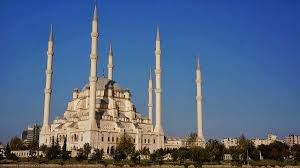
Adana
View CityClick MeView City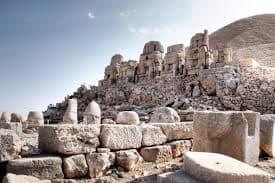
Adiyaman
View CityClick MeView City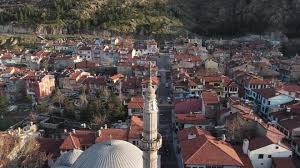
Afyon
View CityClick MeView City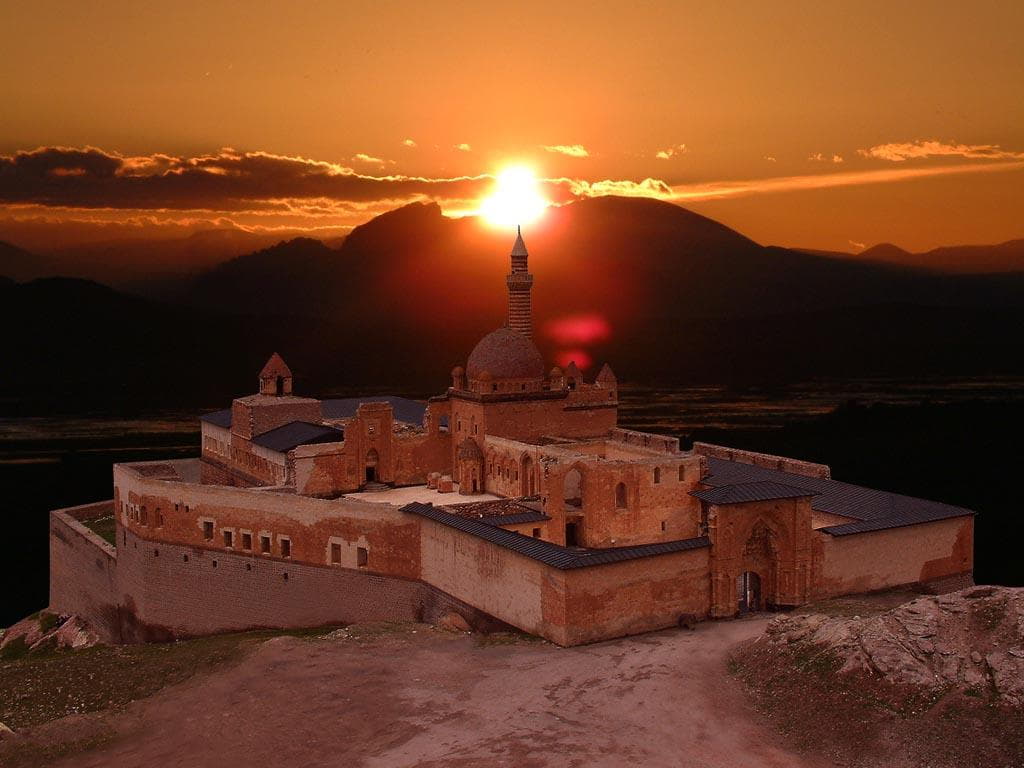
Agri
View CityClick MeView City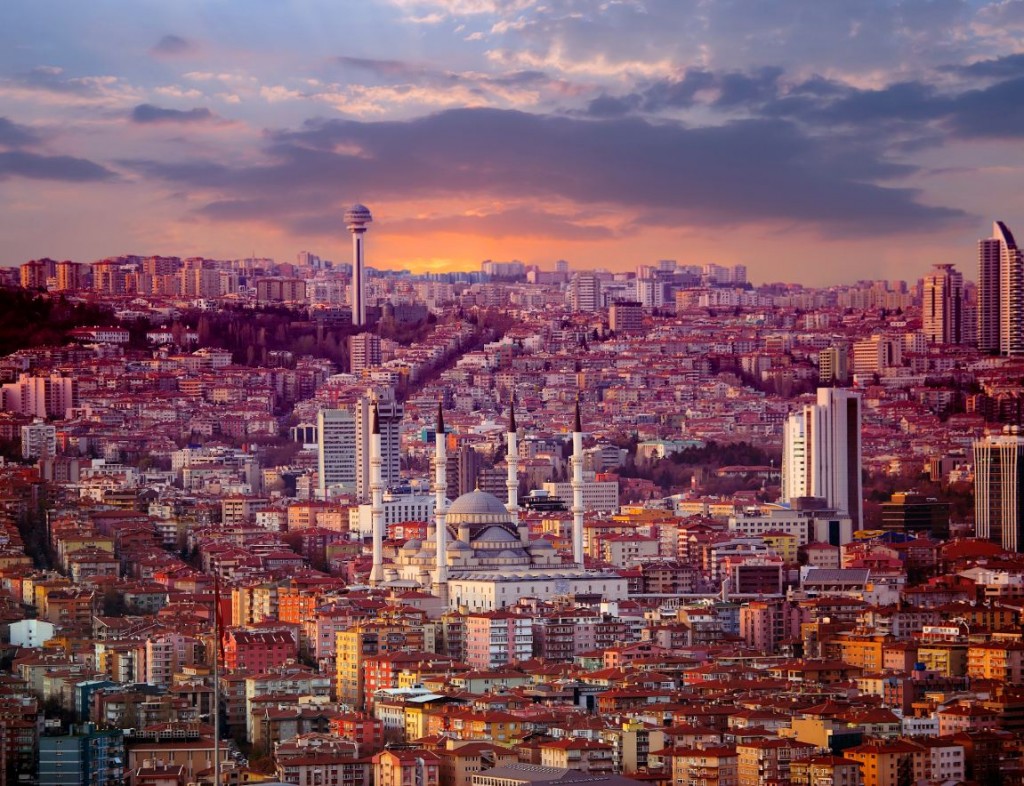
Ankara
View CityClick MeView City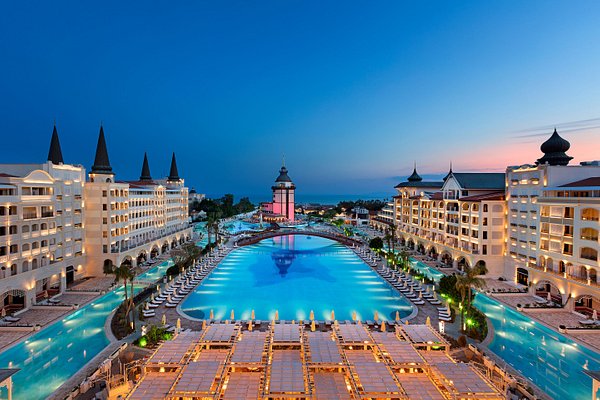
Antalya
View CityClick MeView City
Balikesir
View CityClick MeView City
Bandirma
View CityClick MeView City
Batman
View CityClick MeView City
Bodrum
View CityClick MeView City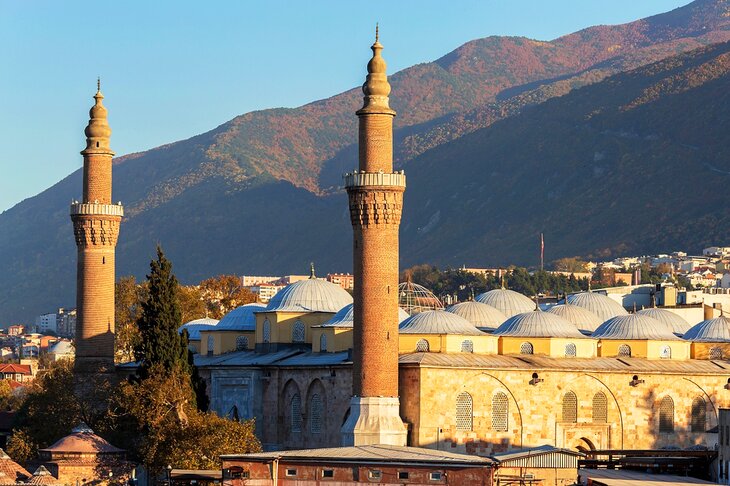
Bursa
View CityClick MeView City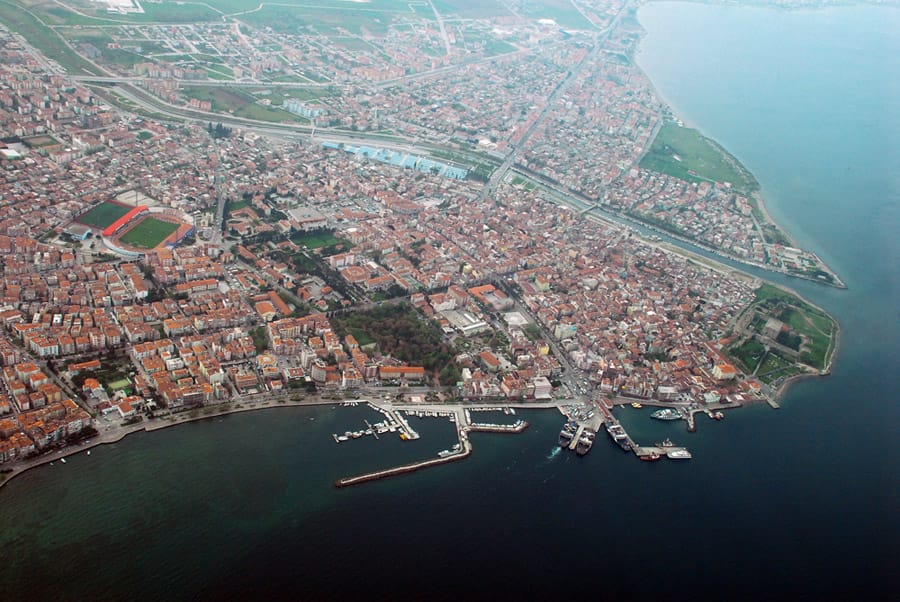
Canakkale
View CityClick MeView City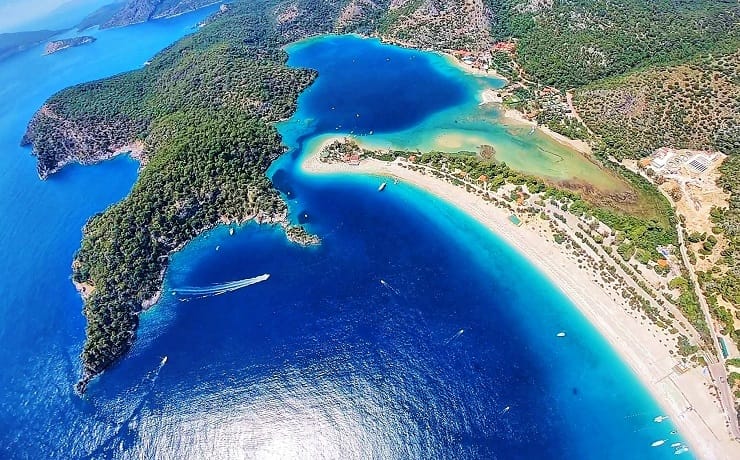
Dalaman
View CityClick MeView City
Denizli
View CityClick MeView City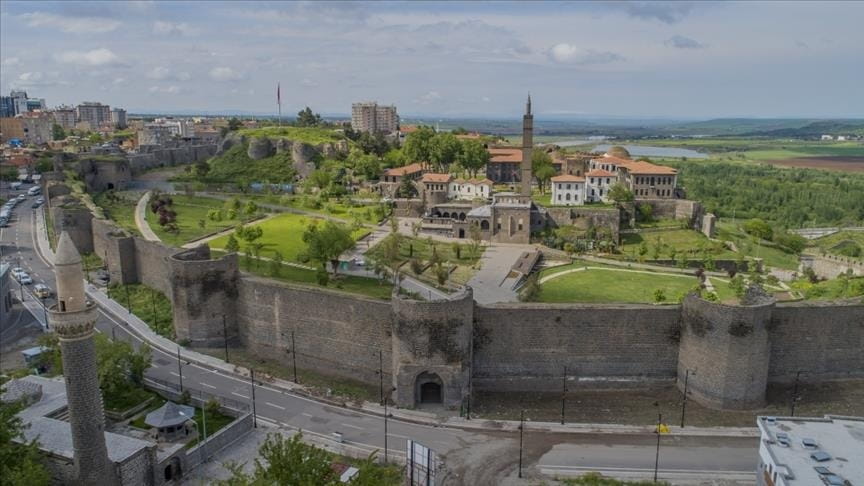
Diyarbakir
View CityClick MeView City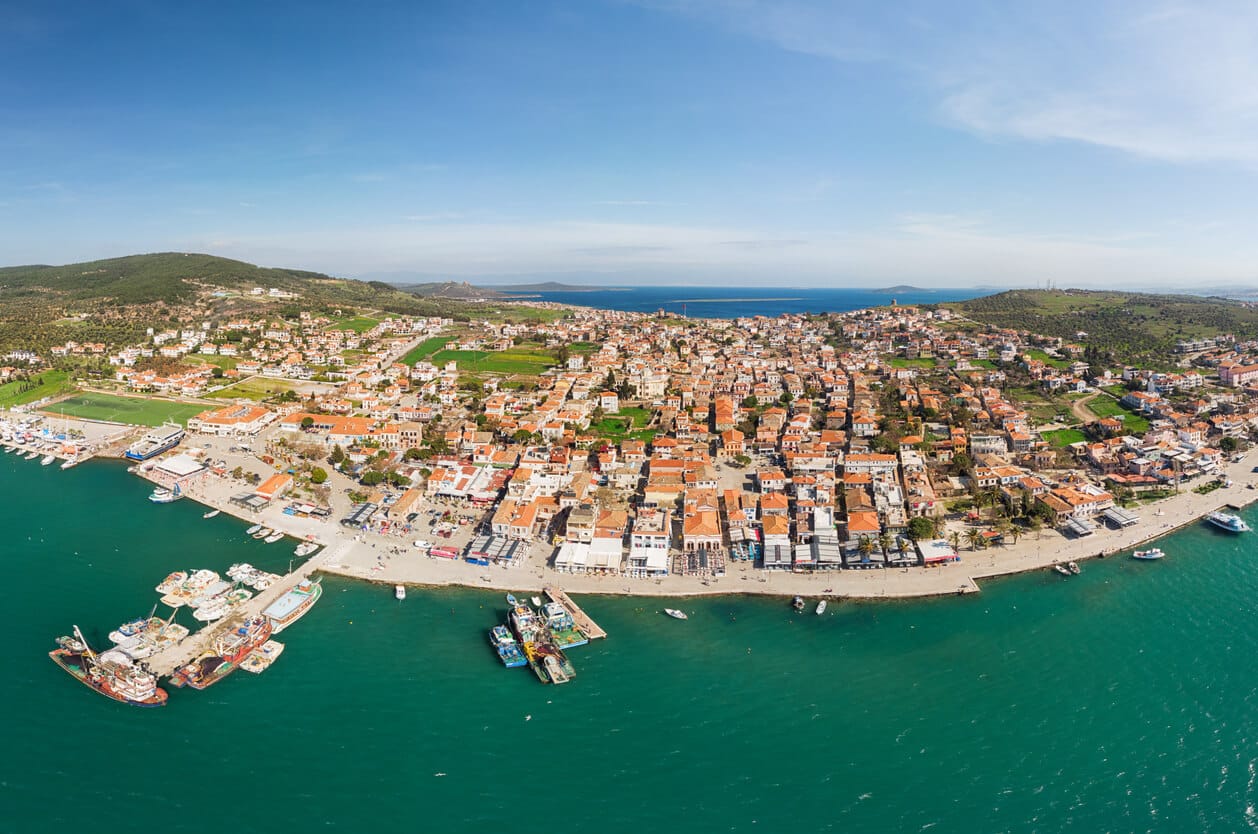
Edremit
View CityClick MeView City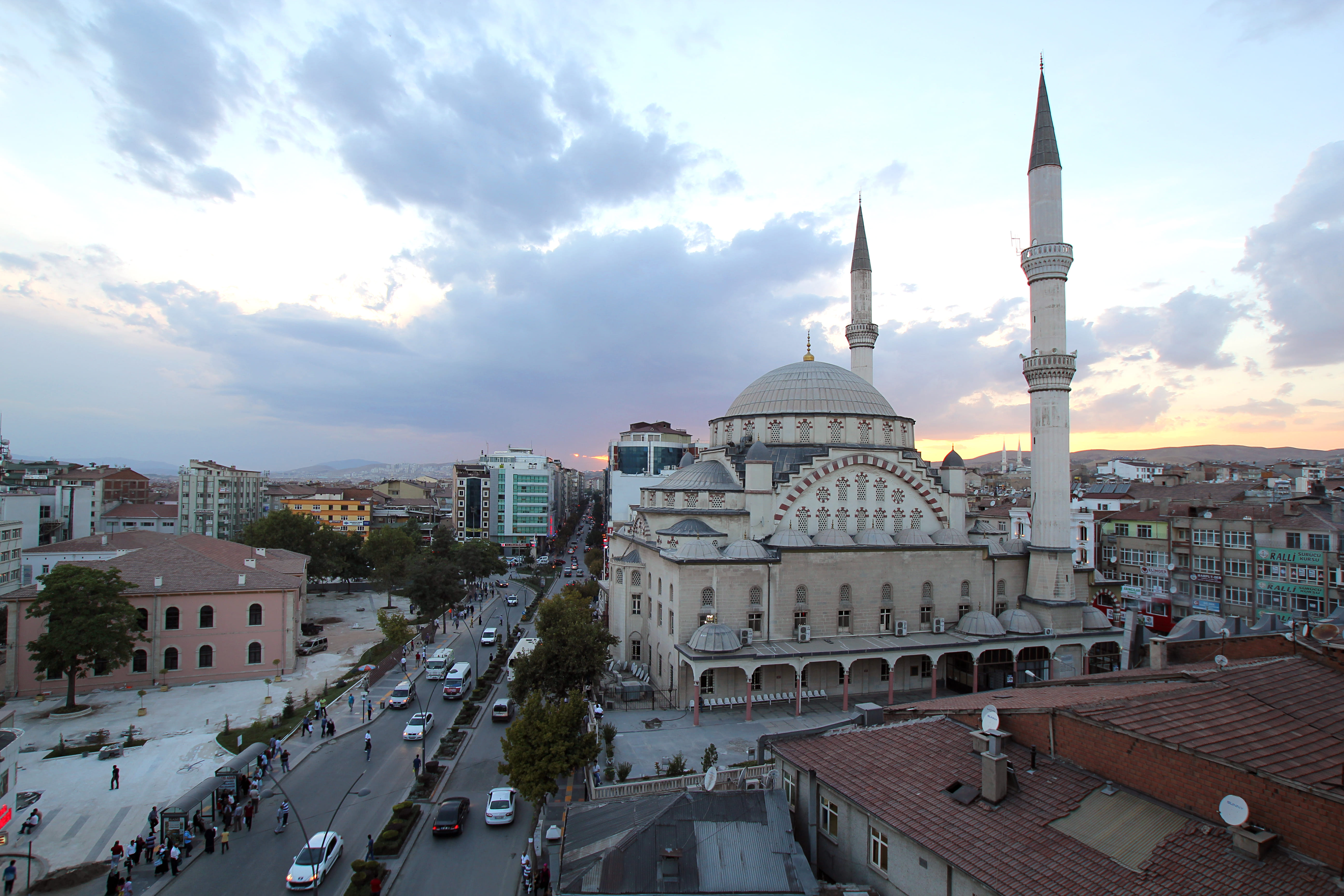
Elazig
View CityClick MeView City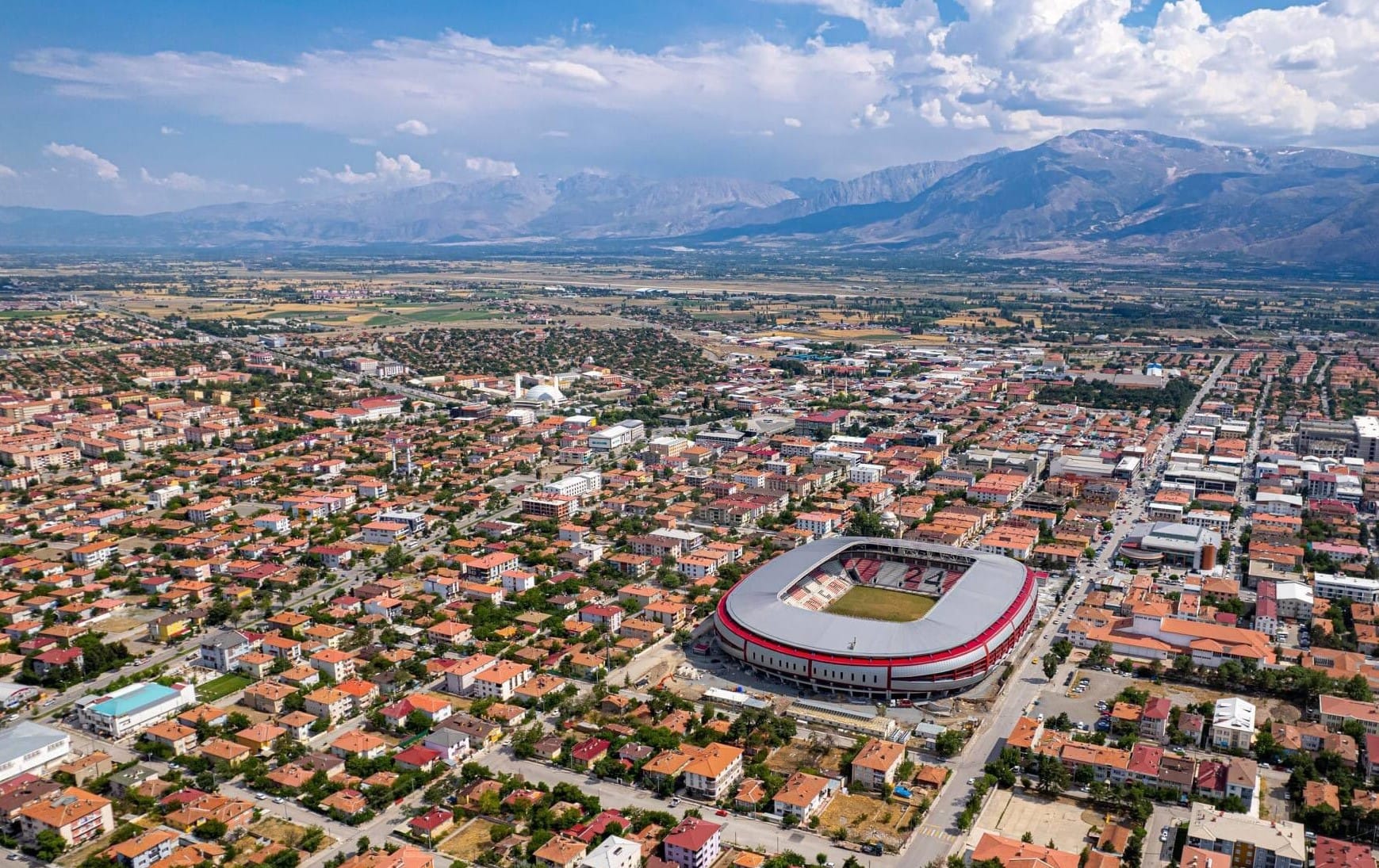
Erzincan
View CityClick MeView City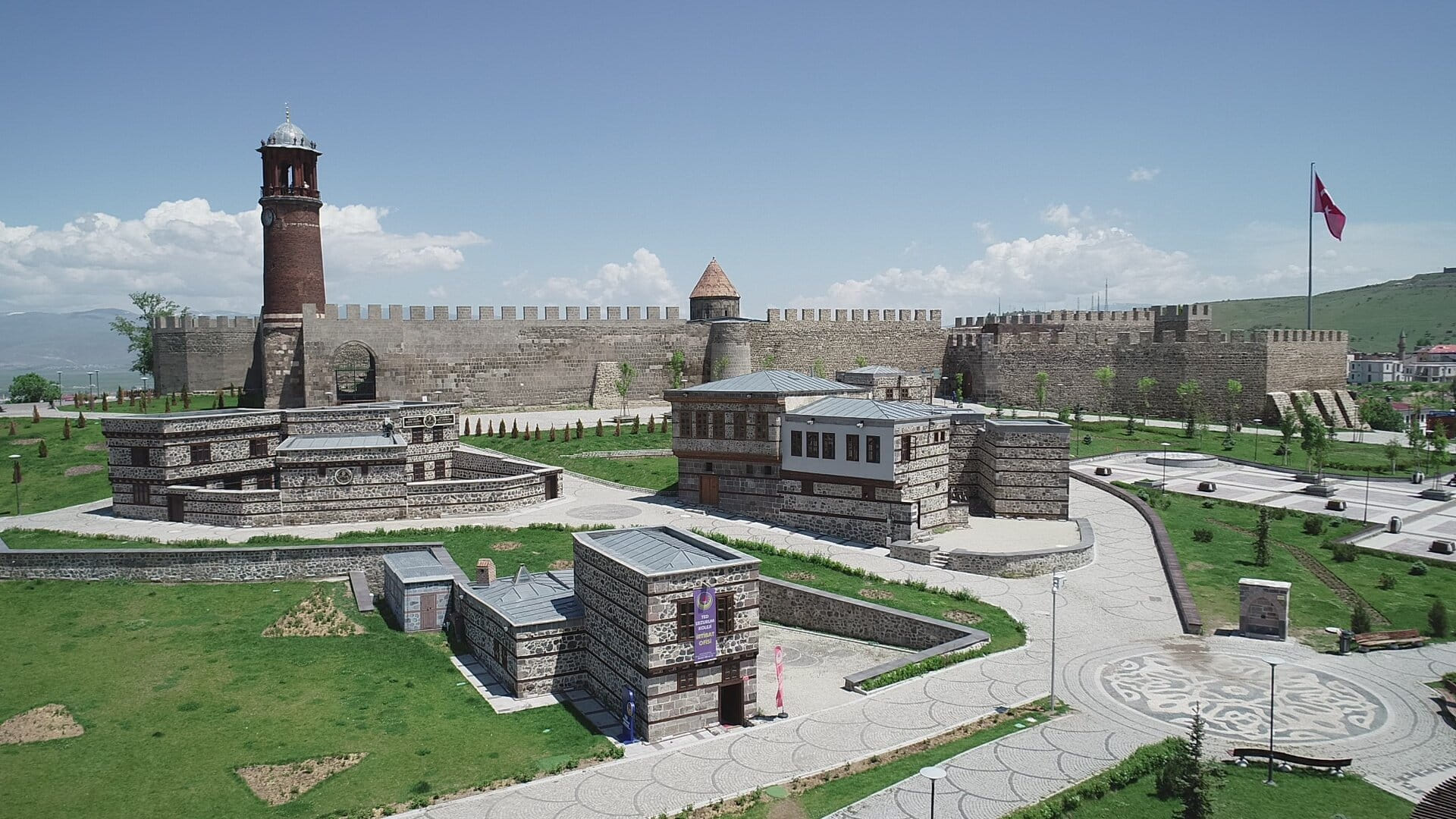
Erzurum
View CityClick MeView City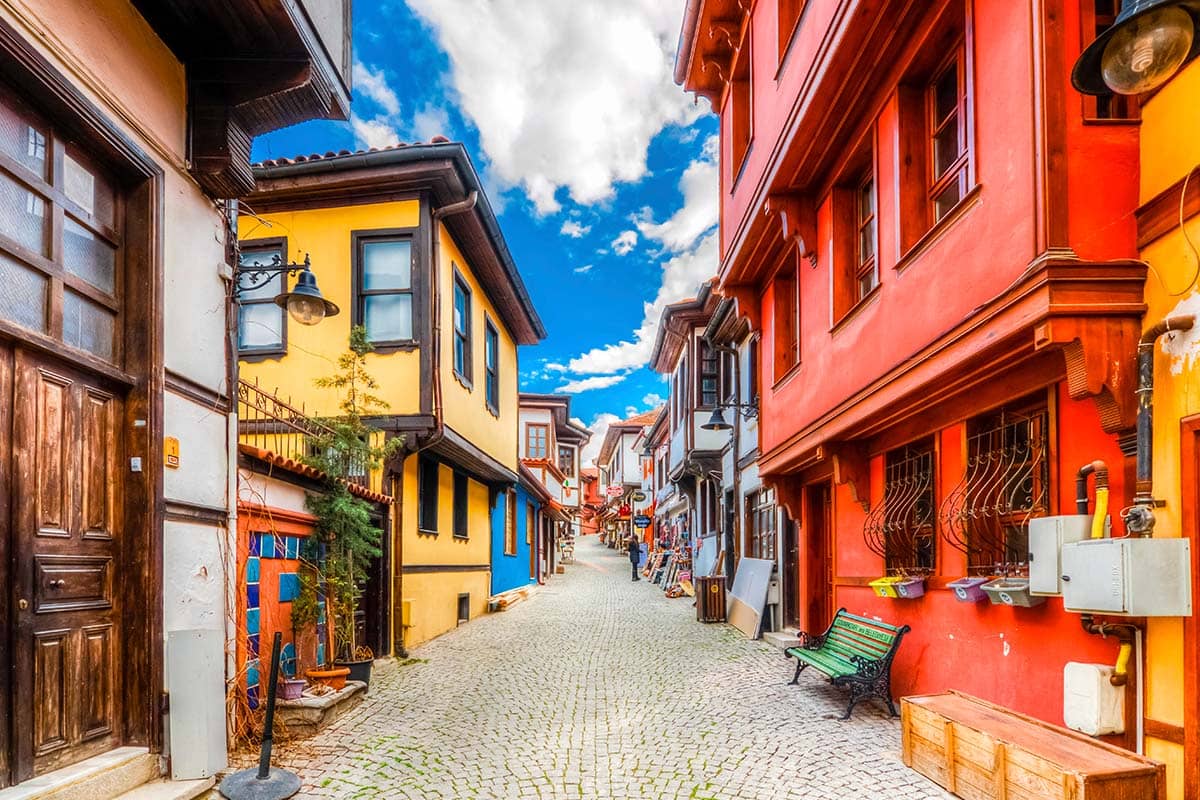
Eskisehir
View CityClick MeView City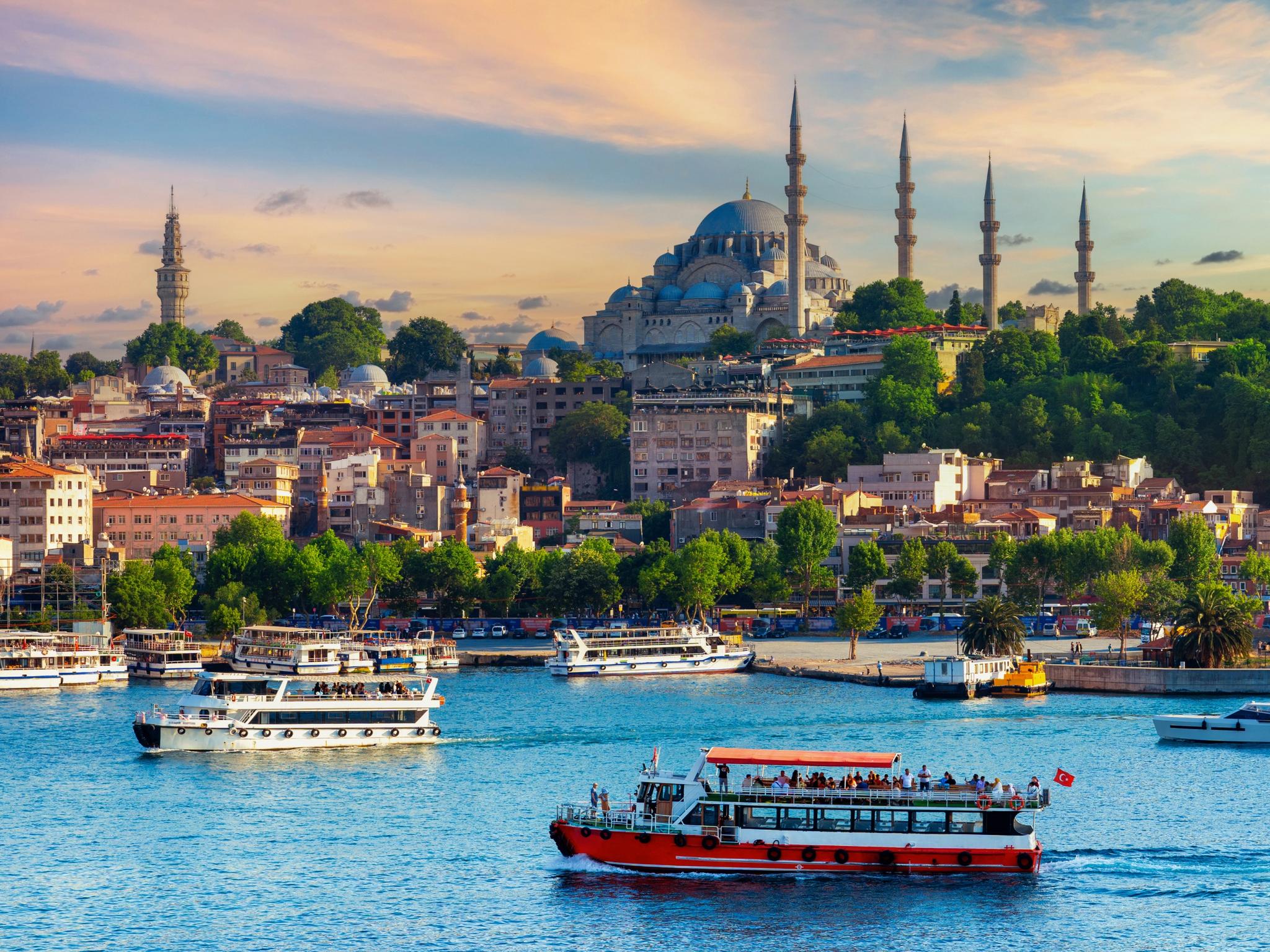
Cheap Flights To Istanbul| Compare Istanbul Flights
View CityClick MeView City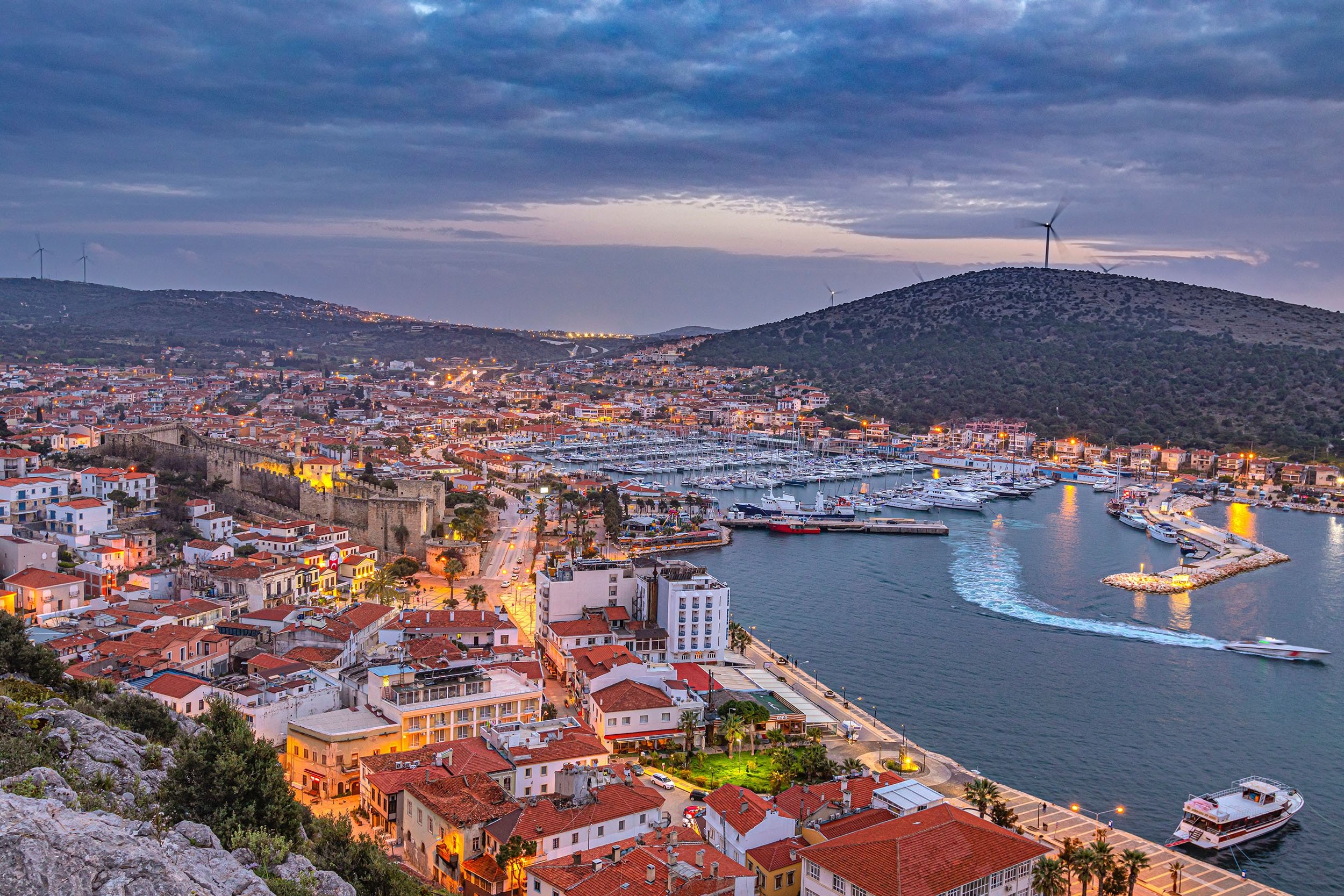
Izmir
View CityClick MeView City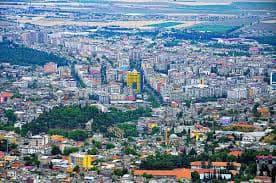
Kahramanmaras
View CityClick MeView City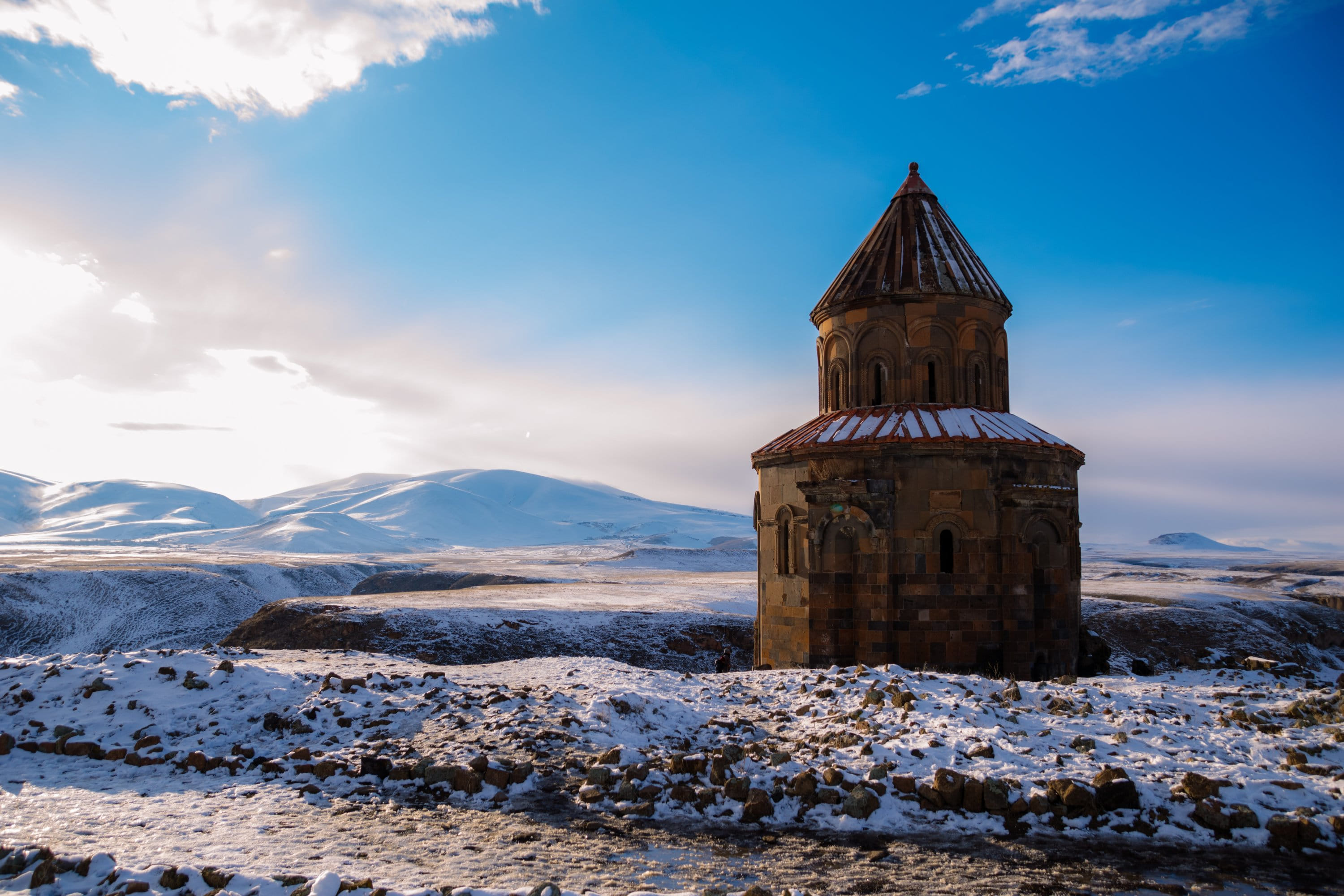
Kars
View CityClick MeView City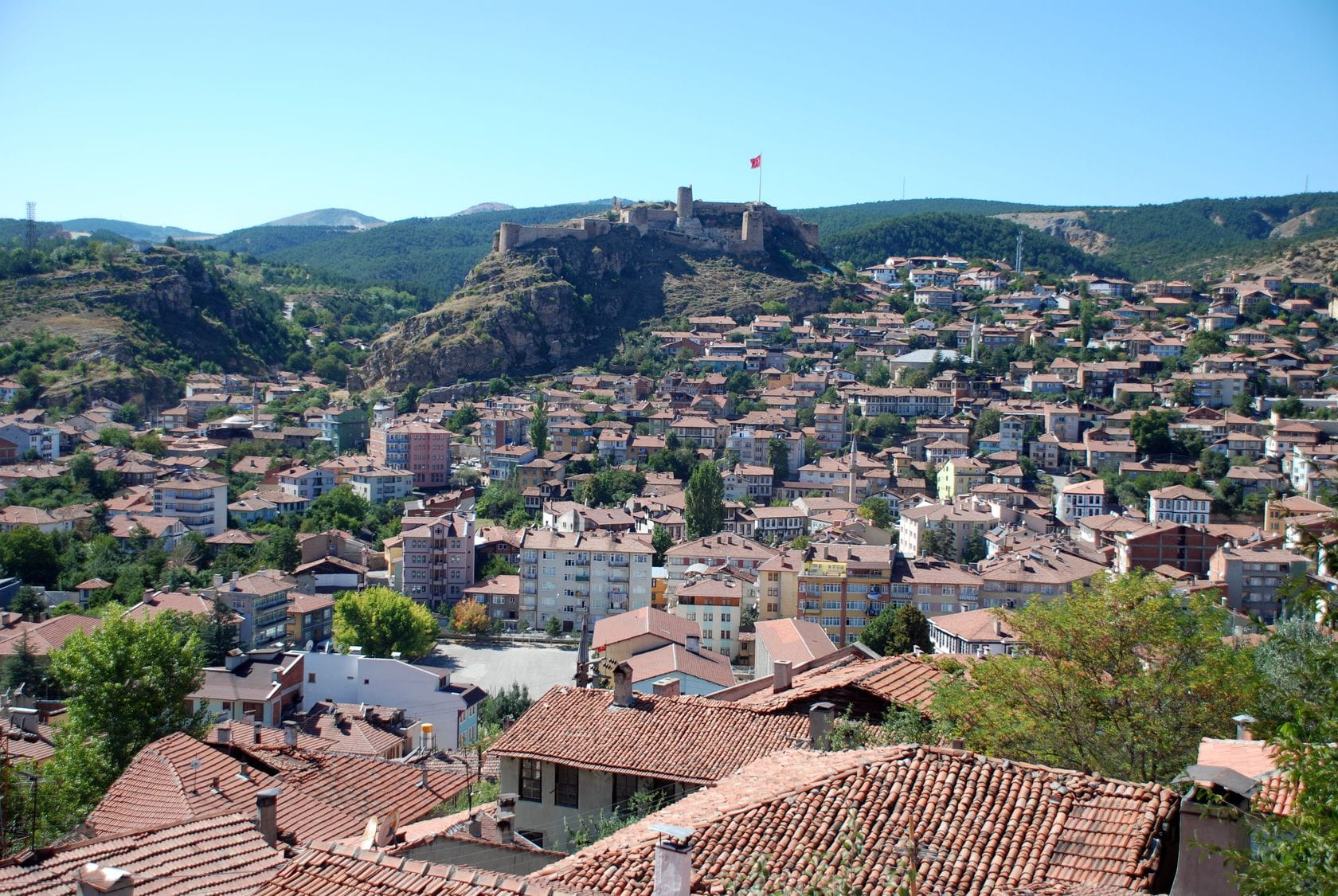
Kastamonu
View CityClick MeView City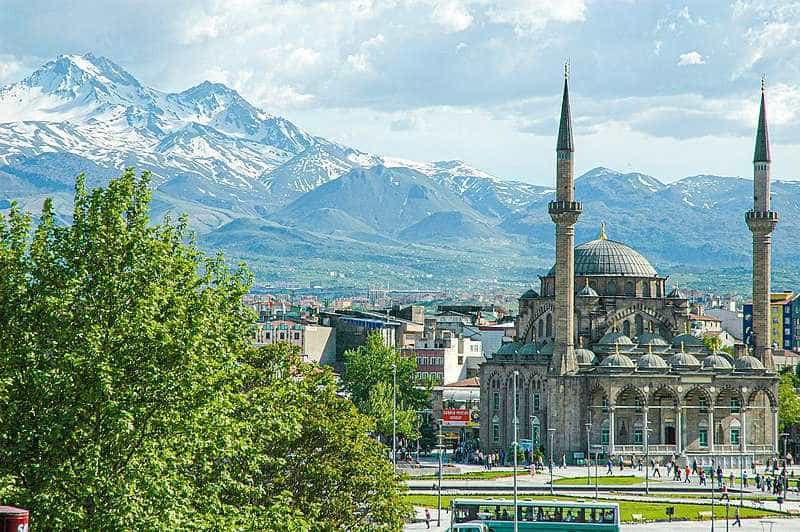
Kayseri
View CityClick MeView City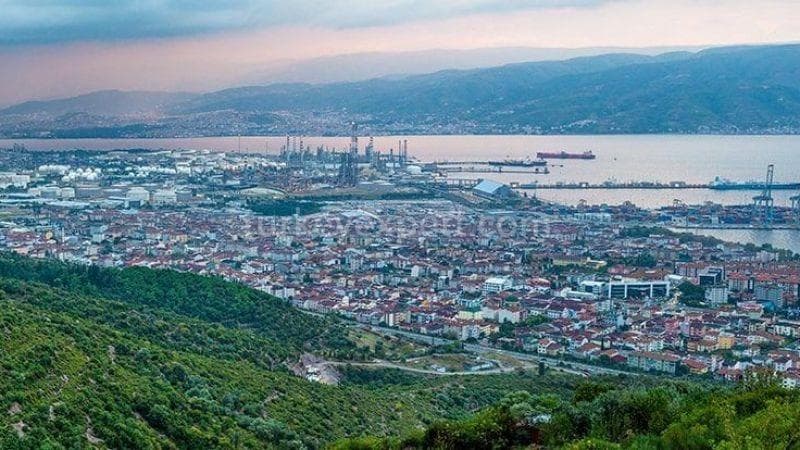
Kocaeli
View CityClick MeView City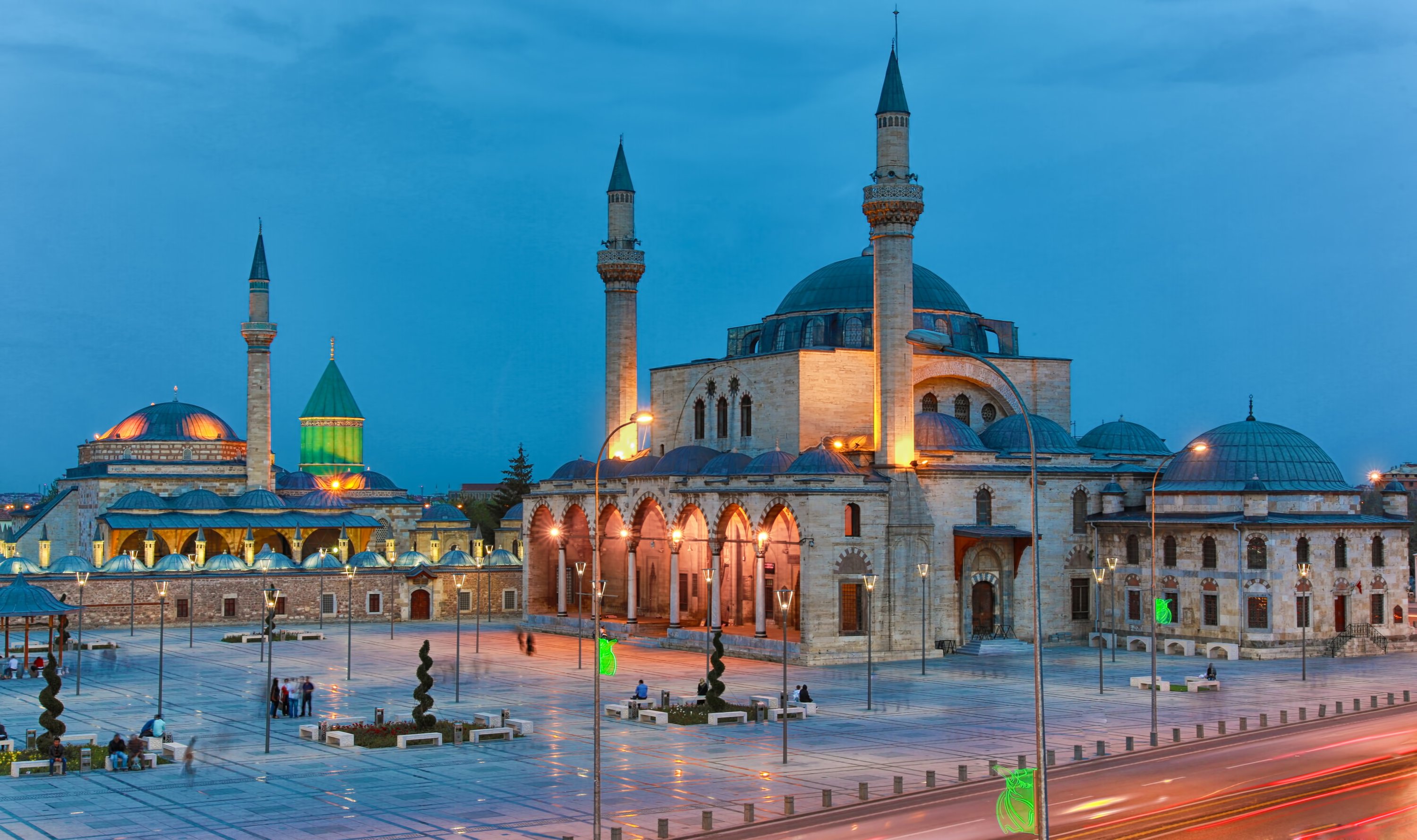
Konya
View CityClick MeView City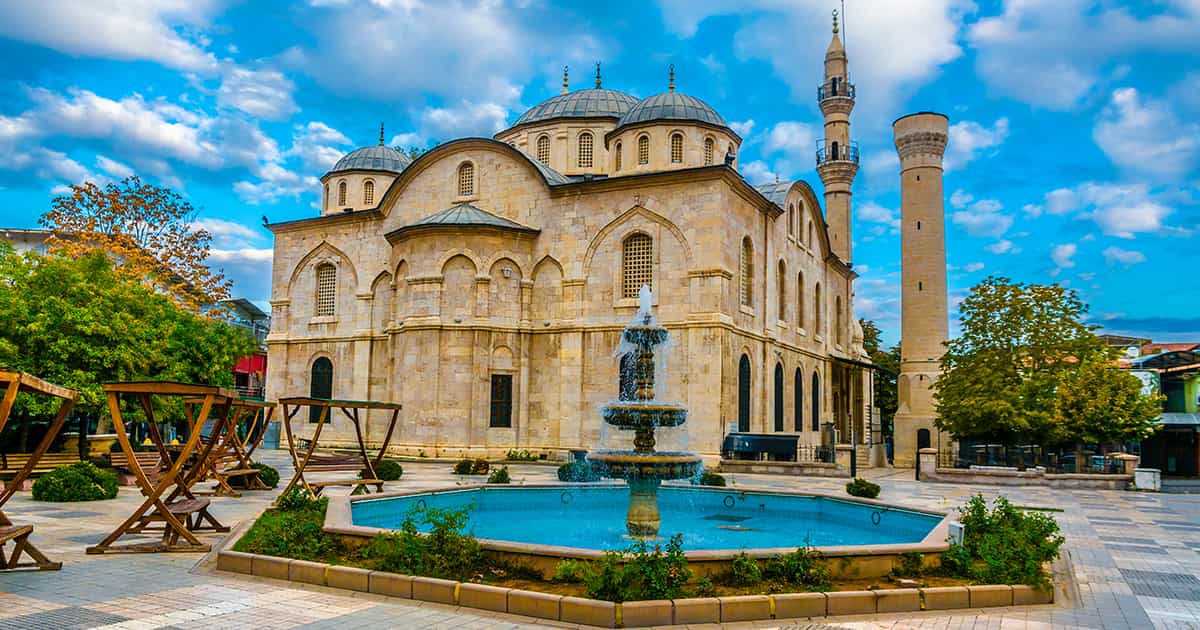
Malatya
View CityClick MeView City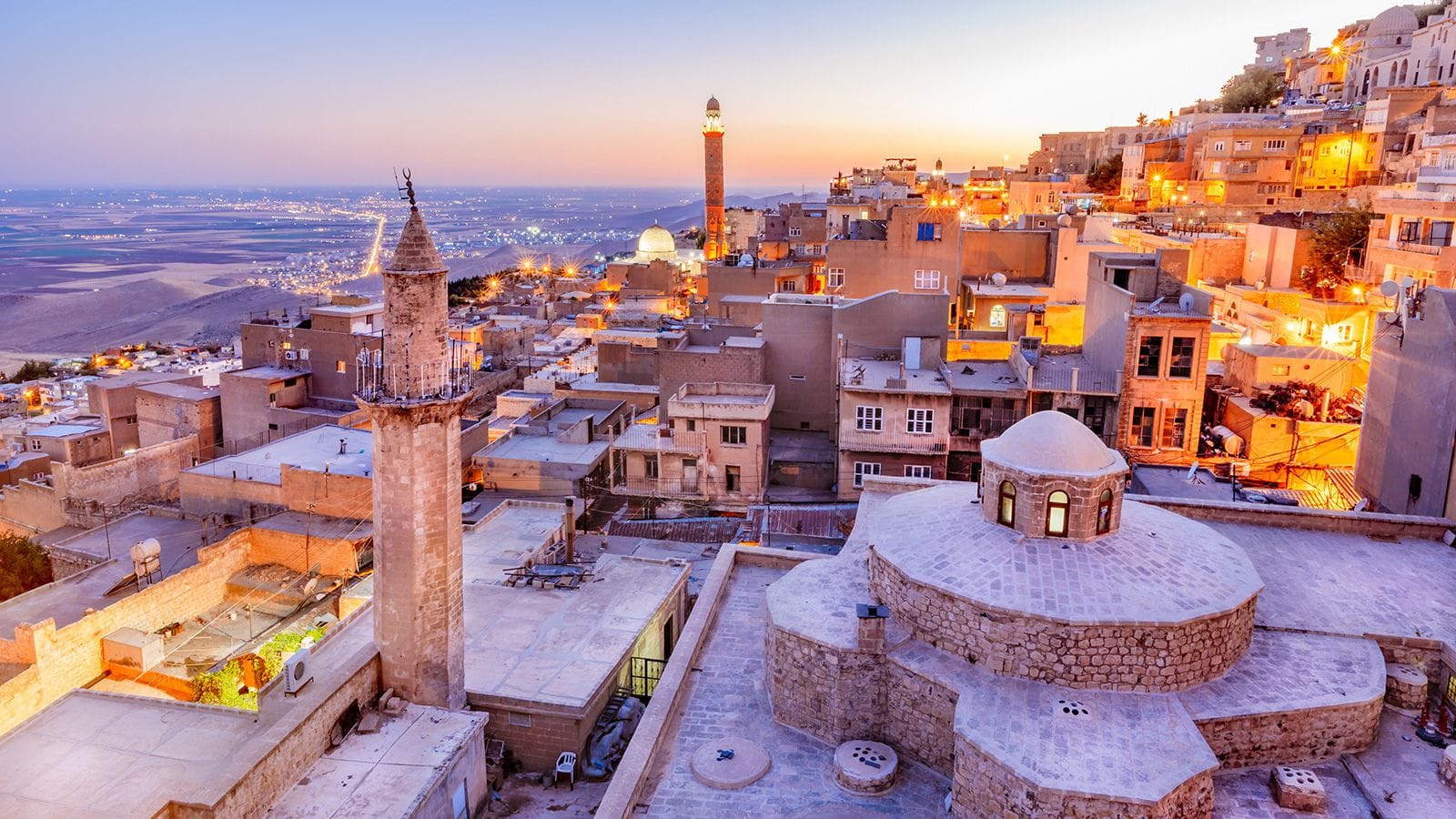
Mardin
View CityClick MeView City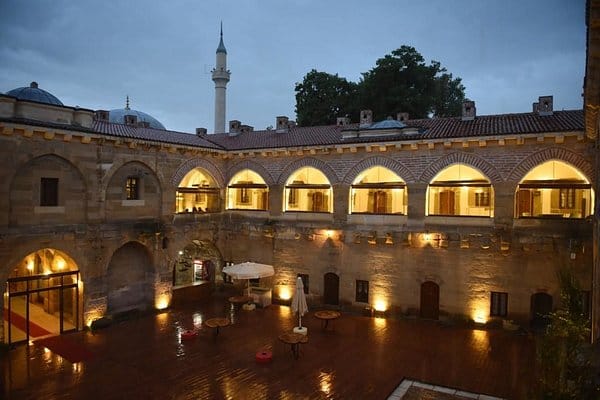
Merzifon
View CityClick MeView City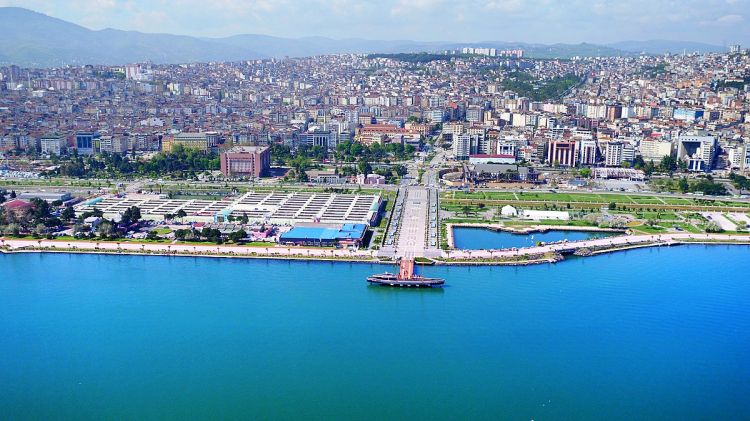
Samsun
View CityClick MeView City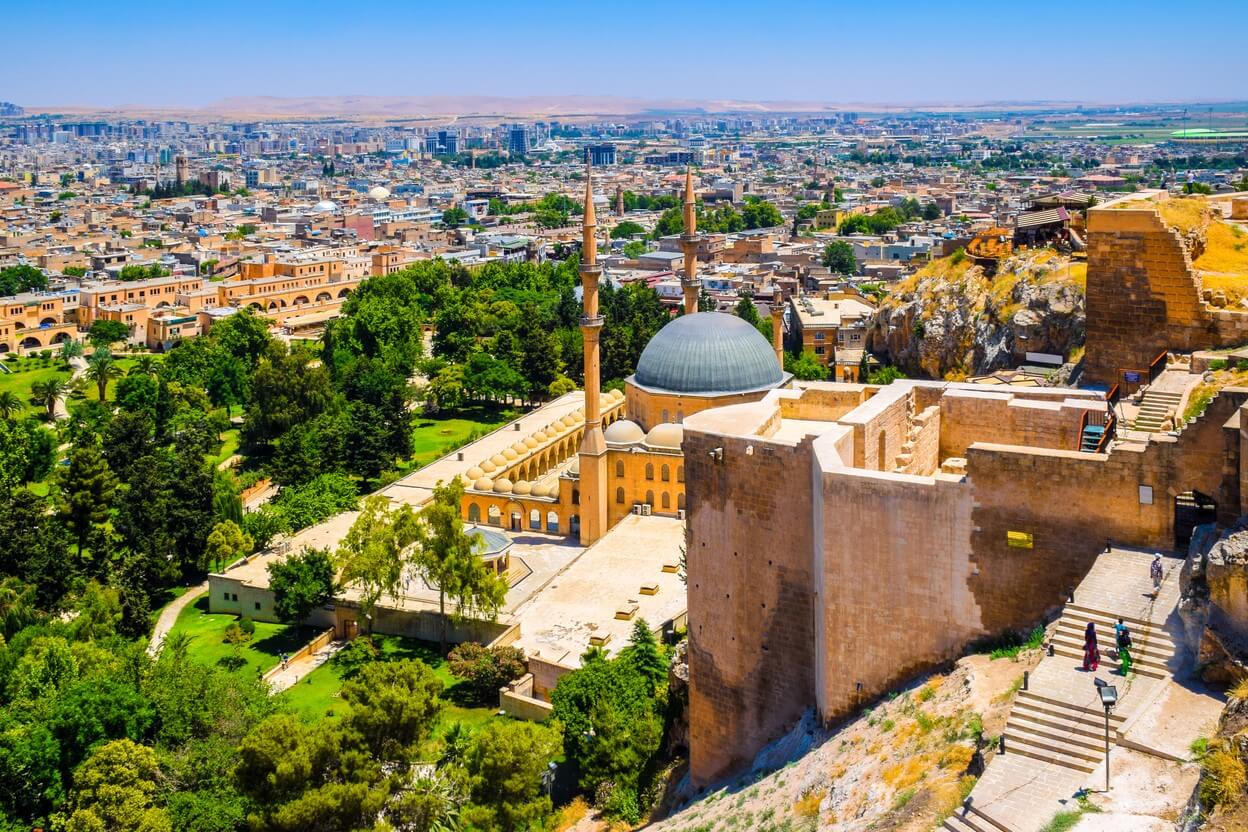
Sanliurfa
View CityClick MeView City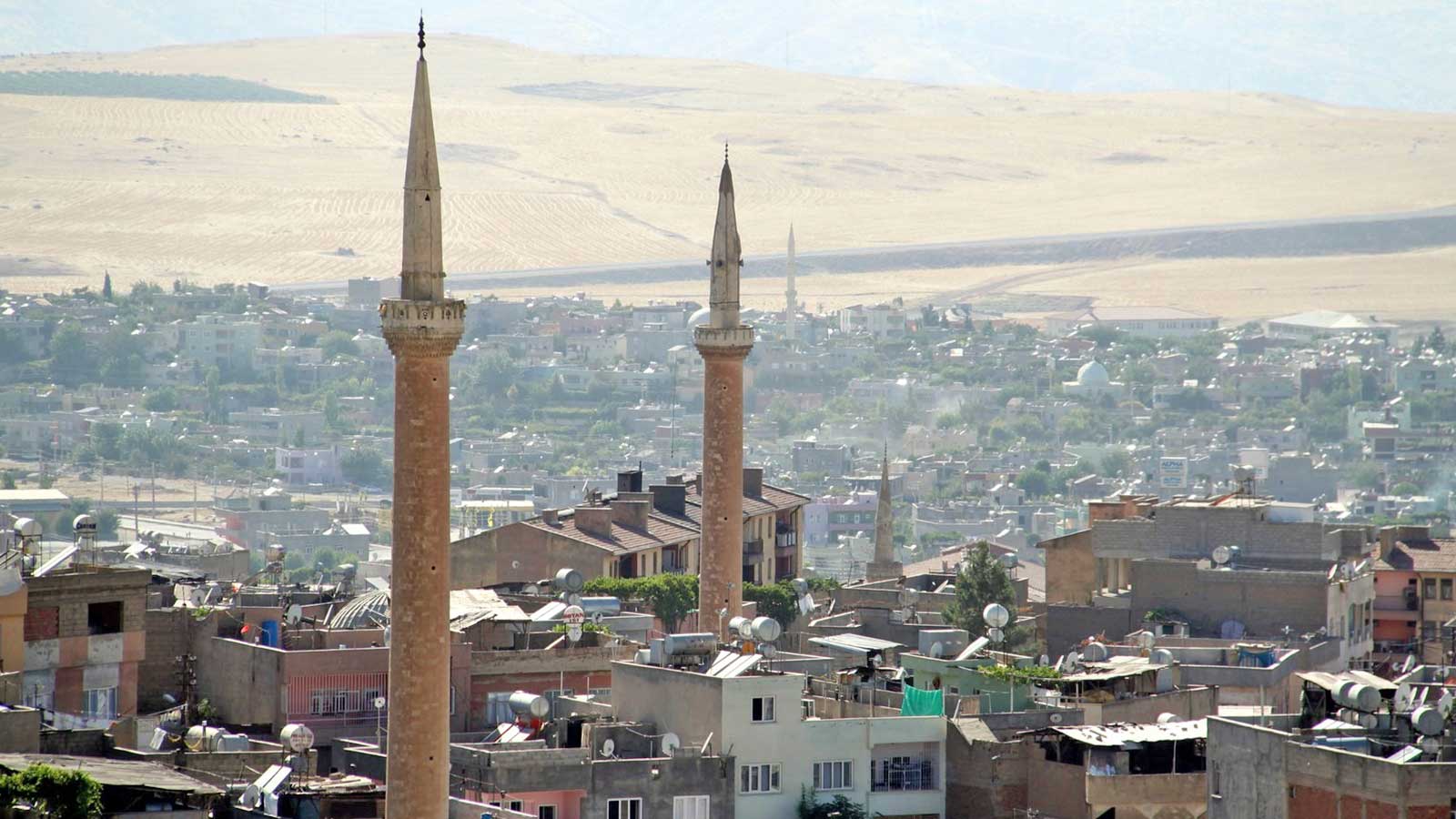
Siirt
View CityClick MeView City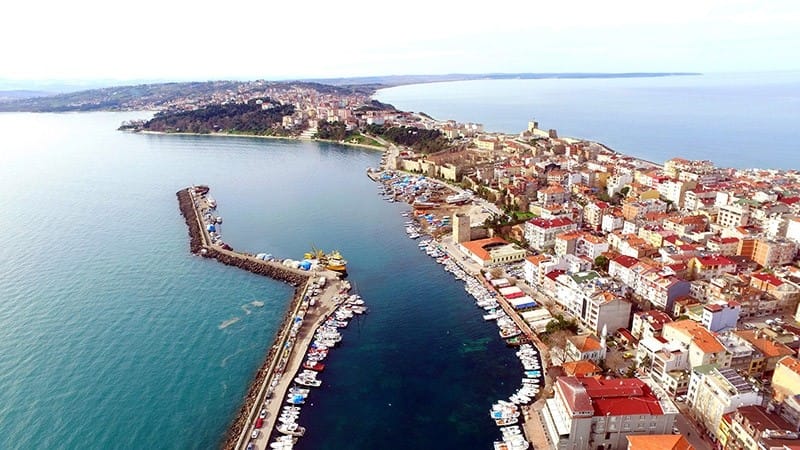
Sinop
View CityClick MeView City
Turkey, authoritatively the Republic of Turkey, is a cross-country nation found mostly on the Anatolian landmass in Western Asia, with a littler bit on the Balkan Peninsula in Southeast Europe. East Thrace, the piece of Turkey in Europe, is isolated from Anatolia by the Sea of Marmara, the Bosporus and the Dardanelles. Turkey is flanked by Greece and Bulgaria to its northwest, the Black Sea to its north, Georgia to its upper east, Armenia, the Azerbaijani exclave of Nakhchivan and Iran to its east, Iraq and Syria to its southeast, the Mediterranean Sea to its south, and the Aegean Sea to its west. Istanbul is the biggest city in the nation while Ankara is the capital. Roughly 70 to 80 percent of the nation's residents distinguish as Turkish, while Kurds are the biggest minority at somewhere in the range of 15 to 20 percent of the populace.
At different focuses in its history, the district has been possessed by assorted civilisations including the Assyrians, Greeks, Thracians, Phrygians, Urartians, and Armenians. Hellenization began during the time of Alexander the Great and proceeded into the Byzantine period. The Seljuk Turks started relocating into the region in the eleventh century, and their triumph over the Byzantines at the Battle of Manzikert in 1071 symbolizes the beginning and establishment of Turkey. The Seljuk Sultanate of Rûm administered Anatolia until the Mongol intrusion in 1243, when it broke down into little Turkmen territories. Starting in the late thirteenth century, the Ottomans began joining these Turkish territories. After Mehmed II vanquished Constantinople in 1453, Ottoman extension proceeded under Selim I. During the rule of Suleiman the Magnificent the Ottoman Empire enveloped a lot of Southeast Europe, West Asia and North Africa and turned into a force to be reckoned with. In the next hundreds of years the state entered a time of decrease with a steady loss of regions and wars. With an end goal to combine the debilitating social and political establishments of the realm, Mahmut II began a time of modernisation in the mid nineteenth century, acquiring changes all zones of the state including the military and administration alongside the liberation everything being equal.
In 1913, an overthrow adequately put the nation heavily influenced by the Three Pashas. During World War I, the Ottoman government submitted massacres against its Armenian, Assyrian and Pontic Greek subjects. Following the war, the combination of domains and people groups that once in the past involved the Ottoman Empire was apportioned into a few new states. The Turkish War of Independence, started by Mustafa Kemal Atatürk and his associates against involving Allied Powers, brought about the annulment of government in 1922 and the foundation of the Republic of Turkey in 1923, with Atatürk as its first president. Atatürk ordered various changes, a considerable lot of which joined different parts of Western idea, theory, and customs into the new type of Turkish government. The Kurdish–Turkish clash, an equipped clash between the Republic of Turkey and Kurdish extremists, has been dynamic since 1984 fundamentally in the southeast of the nation. Different Kurdish gatherings request detachment from Turkey to make an autonomous Kurdistan or to have self-sufficiency and more noteworthy political and social rights for Kurds in Turkey.
Turkey is a sanction individual from the UN, an early individual from NATO, the IMF and the World Bank, and an establishing individual from the OECD, OSCE, BSEC, OIC and G-20. Subsequent to getting one of the primary individuals from the Council of Europe in 1949, Turkey turned into a partner individual from the EEC in 1963, joined the EU Customs Union in 1995 and began increase exchanges with the European Union in 2005 which have been viably halted by the EU in 2018 with the EU's General Affairs Council expressing that "the Council noticed that Turkey has been moving further away from the European Union. Turkey's increase exchanges have along these lines viably grind to a halt and no further sections can be considered for opening or shutting and no further work towards the modernisation of the EU-Turkey Customs Union is predicted." Turkey's economy and conciliatory activities prompted its acknowledgment as a local power while its area has given it geopolitical and key significance from the beginning of time. Turkey is a mainstream, unitary, previously parliamentary republic which received a presidential framework with a submission in 2017; the new framework happened with the presidential political race in 2018. It is at present positioned 110 out of 167 nations in the Democracy Index. Turkey's present organization headed by president Recep Tayyip ErdoÄŸan of the AKP has instituted measures to build the impact of Islam, and undermine Kemalist arrangements and opportunity of the press.
Just follow us on social media, where stories unfold,
Stay with us for moments worth their weight in gold.


SCAN ME
