



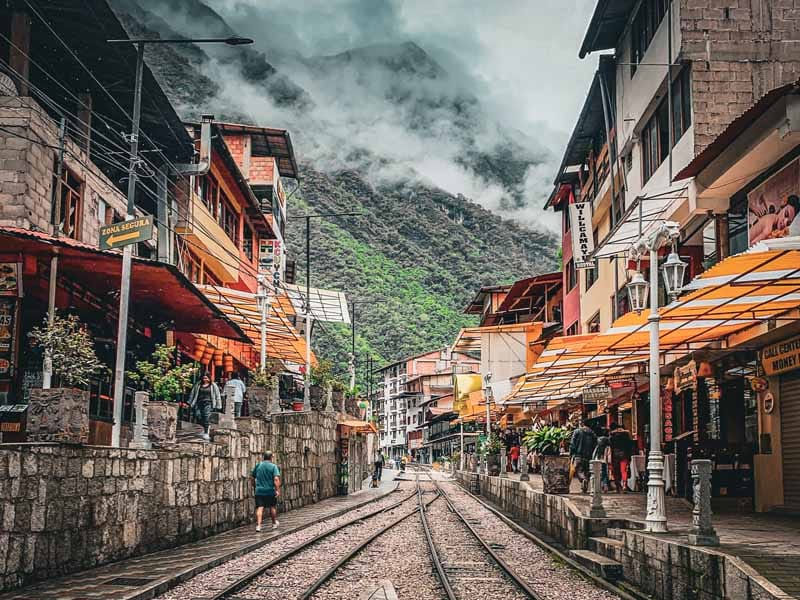







Ahuas is a small town located in the Gracias a Dios Department of Honduras, situated in the northeastern part of the country near the border with Nicaragua. Here are some key aspects of Ahuas:
1. **Remote Location**: Ahuas is situated in a remote and isolated region of Honduras, accessible primarily by boat or small aircraft due to the lack of road infrastructure in the area. The town is surrounded by dense tropical rainforest and lies along the Patuca River, one of the largest rivers in Honduras.
2. **Indigenous Communities**: The area around Ahuas is home to indigenous communities, primarily belonging to the Miskito and Tawahka ethnic groups. These communities have preserved their traditional way of life, customs, and languages, maintaining a deep connection to the land and natural resources of the region.
3. **Natural Beauty**: Ahuas is surrounded by pristine natural beauty, with lush rainforests, rivers, and waterfalls that offer opportunities for eco-tourism, birdwatching, and adventure activities such as hiking and river rafting. The area is known for its biodiversity, with numerous species of plants, animals, and birds.
4. **Subsistence Farming and Fishing**: The economy of Ahuas is primarily based on subsistence farming, fishing, and small-scale agriculture. Local residents grow crops such as rice, maize, and beans, and fish in the rivers and streams that flow through the region, providing sustenance for their families and communities.
5. **Traditional Culture**: The indigenous communities of Ahuas have a rich cultural heritage, with traditional music, dance, and ceremonies that celebrate their connection to the land and ancestral traditions. Visitors to the area can experience these cultural practices firsthand and learn about the history and customs of the Miskito and Tawahka peoples.
6. **Challenges and Resilience**: Ahuas faces challenges such as poverty, limited access to healthcare and education, and environmental threats such as deforestation and climate change. However, the residents of Ahuas demonstrate resilience and resourcefulness in the face of these challenges, working together to protect their natural environment and preserve their way of life.
7. **Tourism Potential**: Despite its remote location, Ahuas has untapped potential for eco-tourism and sustainable development. The area's natural beauty, cultural richness, and opportunities for adventure tourism make it an attractive destination for travelers seeking off-the-beaten-path experiences and authentic encounters with indigenous cultures.
Overall, Ahuas offers a glimpse into the traditional way of life of Honduras' indigenous communities and the natural wonders of the country's northeastern region. With its untouched wilderness, vibrant cultural heritage, and warm hospitality, Ahuas has the potential to become a unique and memorable destination for adventurous travelers.
Just follow us on social media, where stories unfold,
Stay with us for moments worth their weight in gold.


SCAN ME
